
Turkey Emerges as Israel's New Strategic Rival in the Middle East
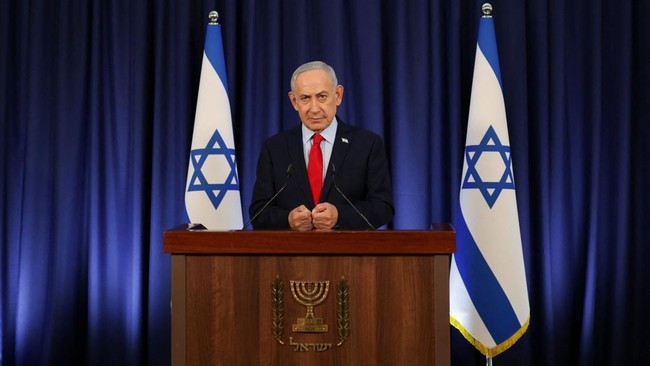
The historically tense relationship between Turkey and Israel has deepened into a strategic rivalry, with both nations now viewing each other as significant security threats. The conflict has moved beyond political disagreements to encompass accusations of genocide, competing military operations, and a struggle for regional influence.
On June 23, an Israeli minister stated that Turkey, alongside Syria, had replaced Iran as the greatest threat to his country. Days later, Israel officially recognized the 1915 massacre of Armenians by the Ottoman Empire as a genocide, a move long resisted by Ankara. Turkish President Recep Tayyip Erdogan retaliated by accusing Israel of genocide in Gaza and labelling its military operations in Syria and Lebanon as a direct threat to Turkey.
Israel is increasingly concerned about Turkey’s expanding military and diplomatic footprint, particularly its growing defence cooperation with Egypt, Pakistan, and Saudi Arabia, as well as its efforts to reacquire F-35 stealth fighter jets from the United States. Conversely, Ankara views Israel’s actions in Gaza, Syria, and Lebanon, along with its alleged support for Kurdish groups and its energy alliances in the Mediterranean, as direct challenges to Turkish interests.
Syria has become the focal point of this rivalry. Turkey seeks a strong, stable Syrian state under its influence, while Israel prefers a fragmented Syria to prevent it from becoming a military threat. The situation is further complicated by the shifting geopolitical landscape, including the United States’ potential reconsideration of Turkey’s F-35 programme and Ankara’s strengthening defence ties with regional powers. Although direct conflict remains unlikely, the rivalry is emerging as a major source of instability in the Middle East.