
Tupai Emas Denpasar: An Educational Agrotourism Destination for Gardening and Animal Encounters
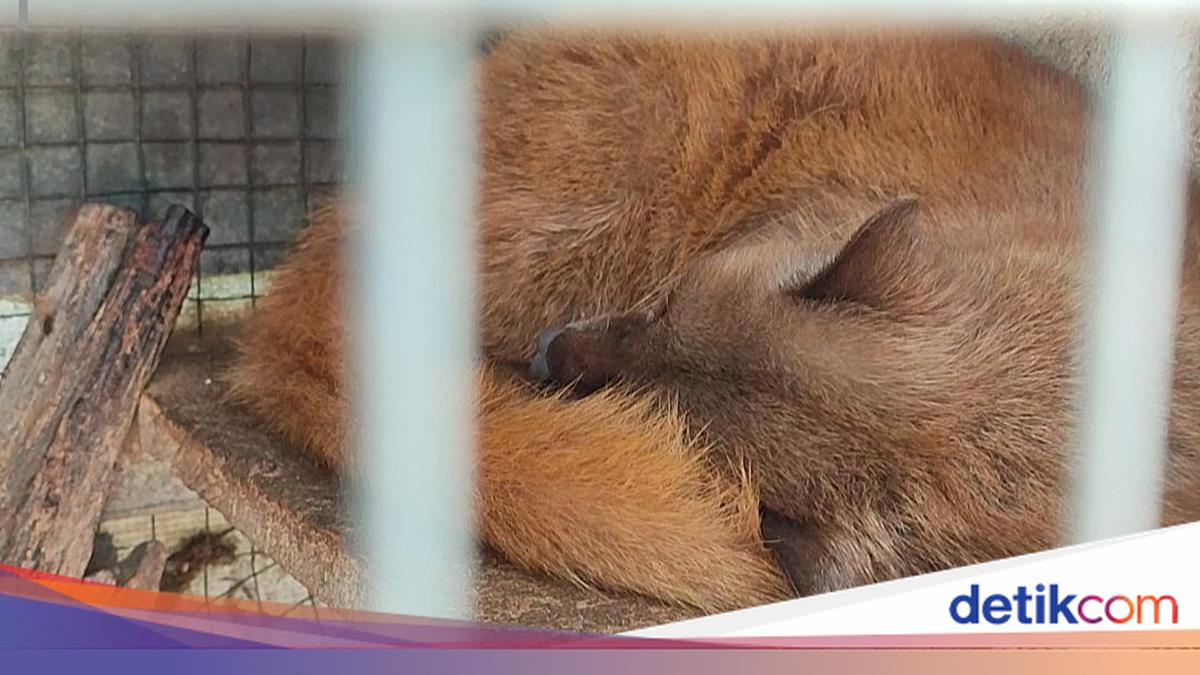
Children can do more than just play after exercising at Subak Sembung, Denpasar. In this area, the Tupai Emas educational agrotourism site invites them to learn about gardening, encounter various animals, and understand waste management.
Located in Subak Uma Palak Sembung, Peguyangan, North Denpasar, Bali, the 13-are site serves as a destination for students ranging from preschool and primary school to secondary school and university levels to learn about agriculture and various easily-maintained animals.
The manager of Tupai Emas, Wayan Yuliartana (56), stated that he manages the site personally with the assistance of several families and local residents. The objective is to reintroduce agricultural systems, various types of animals—including poultry, reptiles, and mammals—and proper waste management techniques.
“We provide several programmes for school children, offering motor skill training so they understand how to plant, alongside introductions to animals and waste management,” explained Wayint Yuliartana on Saturday (26/09/2026).
According to Wayan, children are also taught about the planting process and how weather conditions affect agriculture. The open and tranquil atmosphere around Subak Sembung is an integral part of this learning experience.
“Here, they are introduced to planting methods, facing weather challenges, managing waste properly, and identifying different animal species. The goal is to teach children discipline and honesty, providing them with material to observe and learn from,” he elaborated.
For public schools in Denpasar, Wayan stated that there is no visiting fee, while private schools are charged a specific rate. General visitors arriving with their families are charged only Rp 2,000.
“In terms of profit, there is none. We act as an educational resource. Any revenue goes solely towards animal feed costs. We do not seek profit,” he revealed.
“We look at it from a social perspective for the community. I provide this place, but sometimes the community does not realise they should pay, even if it is just 2,000 rupiah,” Wayan Yuliartana lamented.
While he does not know the exact number of daily visitors, Wayan noted that Tupai Emas is busy during weekends, particularly on Saturday mornings and Sunday mornings and afternoons. On weekdays, footfall is lower due to people’s work commitments.
Wayan hopes the local government will support this educational agrotourism initiative. He also welcomes schools that wish to use Tupai Emas as an outdoor learning space.
“If schools wish to communicate with us, we support them. It does not have to be a paid arrangement. Children need sustainable learning programmes. We cater to levels from preschool to secondary school, and for universities, we offer opportunities for research and internships,” he added.
“We hope the government can provide support, as there has been no support so far. This is so the nation’s children do not struggle to find places for sustainable education,” he expressed.
Providing Additional Income for Farmers
Beyond being an educational space, the presence of the jogging track in Subak Sembung also provides opportunities for local farmers and residents to earn supplementary income.
Observations at the site showed several farmers vending vegetables from their gardens to visitors exercising or walking through the rice fields. Other residents sell drinks, snacks, and heavier meals such as tipat contong and rujak.
Wayan noted that these activities serve as side jobs for farmers who are less active in the fields.
“Farmers continue their primary activities. Given the current conditions, we have invited several people to support this initiative. It serves as a side profession. For farmers who are not as active in the fields, they can assist us, providing them with indirect additional work,” he explained.
Wayan hopes that the existence of Tupai Emas will bring a positive impact to the community and ensure that agricultural land continues to be cultivated sustainably.
“There is a positive impact. This is why I remain optimistic about receiving government assistance,” he concluded.
Source: jawawa.id (https://jawawa.id/newsitem/tupai-emas-denpasar-an-educational-agrotourism-destination-for-gardening-and-animal-encounters-1790441449)
Originally published by detikBali (https://www.detik.com/bali/bali-bungah/d-8680473/tupai-emas-denpasar-wisata-edukasi-berkebun-dan-mengenal-hewan), translated from Indonesian