
Tulungagung Regency Implements 'Tabela' Method Across 19 Agricultural Extension Centres
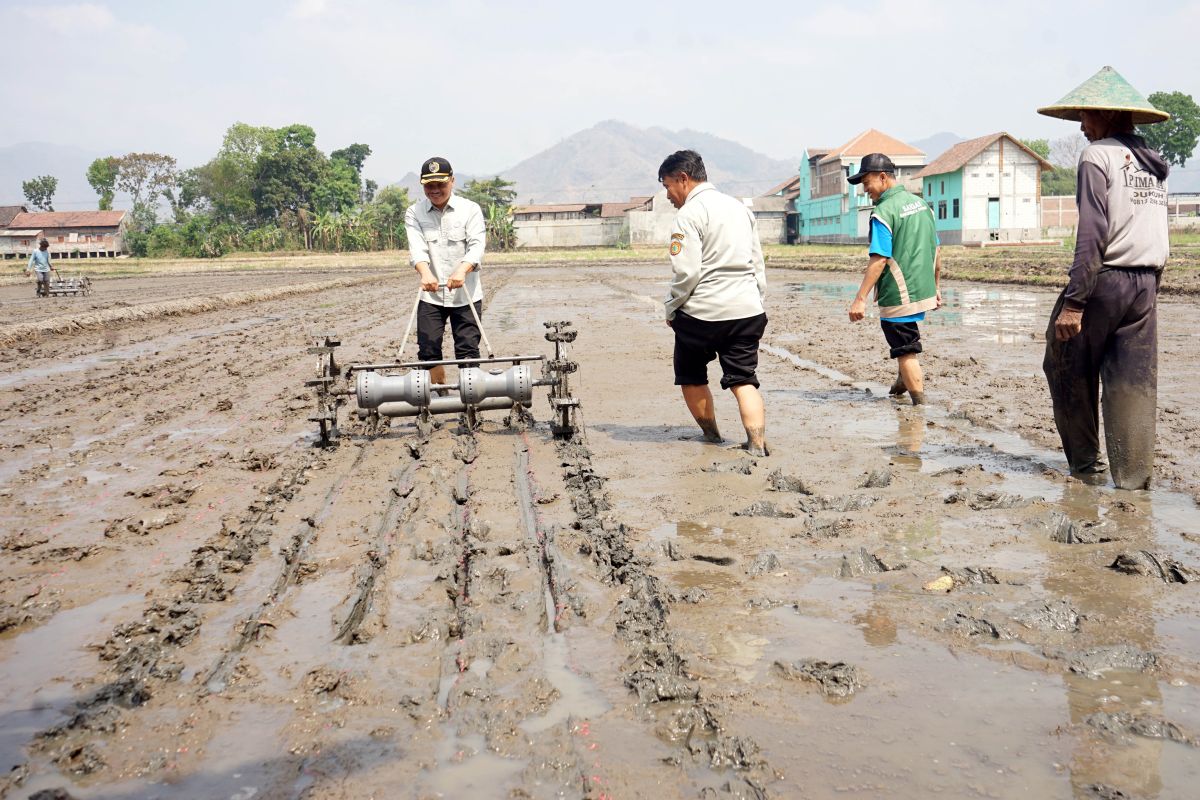
Despite the prolonged dry season, we can still implement ‘tabela’, or direct seeding,
Tulungagung, East Java - The Tulungagung Regency Agriculture Office in East Java is implementing the direct seeding method (tabela) across 19 Agricultural Extension Centres (BPP) as an effort to improve cultivation efficiency and food crop production amidst the ongoing drought.
The Head of the Tulungagung Agriculture Office, Suyanto, stated in Tulungagung on Tuesday that the implementation of tabela is part of a central government programme being executed in various regions, including Tulungagung.
“Even during a long drought, we can still perform tabela, or direct seeding,” he said during a tabela planting activity in Bendungan Village, Gondang District, Tulungagung.
According to Suyanto, the tabela method offers several advantages, particularly in reducing labour requirements because seeds are planted directly into the field without undergoing the nursery stage required by conventional methods.
Furthermore, the implementation of tabela is projected to increase production yields. Based on estimates from the Tulungagung Agriculture Office, productivity using this method can reach 10 to 12 tonnes per hectare, whereas the conventional method averages around 7 to 8 tonnes per hectare.
However, the application of tabela requires a larger quantity of seeds because they are planted at a higher density.
“Fertiliser requirements will be adjusted according to the number of plants being cultivated,” he added.
Suyanto noted that the harvest age for crops using the tabela method is relatively similar to conventional planting patterns.
Currently, the implementation of tabela in Tulungagung Regency covers approximately 100 hectares of land. The crops planted through this programme have not yet reached the harvest stage and are expected to be ready for harvest about five months after planting.
He added that the implementation of this method is part of the regional agricultural sector’s support for strengthening food security and efforts towards food self-sufficiency.
According to him, agricultural production in Tulungagung continues to be developed despite the drought conditions, encompassing rice, maize, and horticultural commodities, including tobacco.
“This serves as a form of support for the government’s programme in strengthening food security,” he concluded.