
Tulungagung reduces Sekolah Rakyat class targets due to low demand
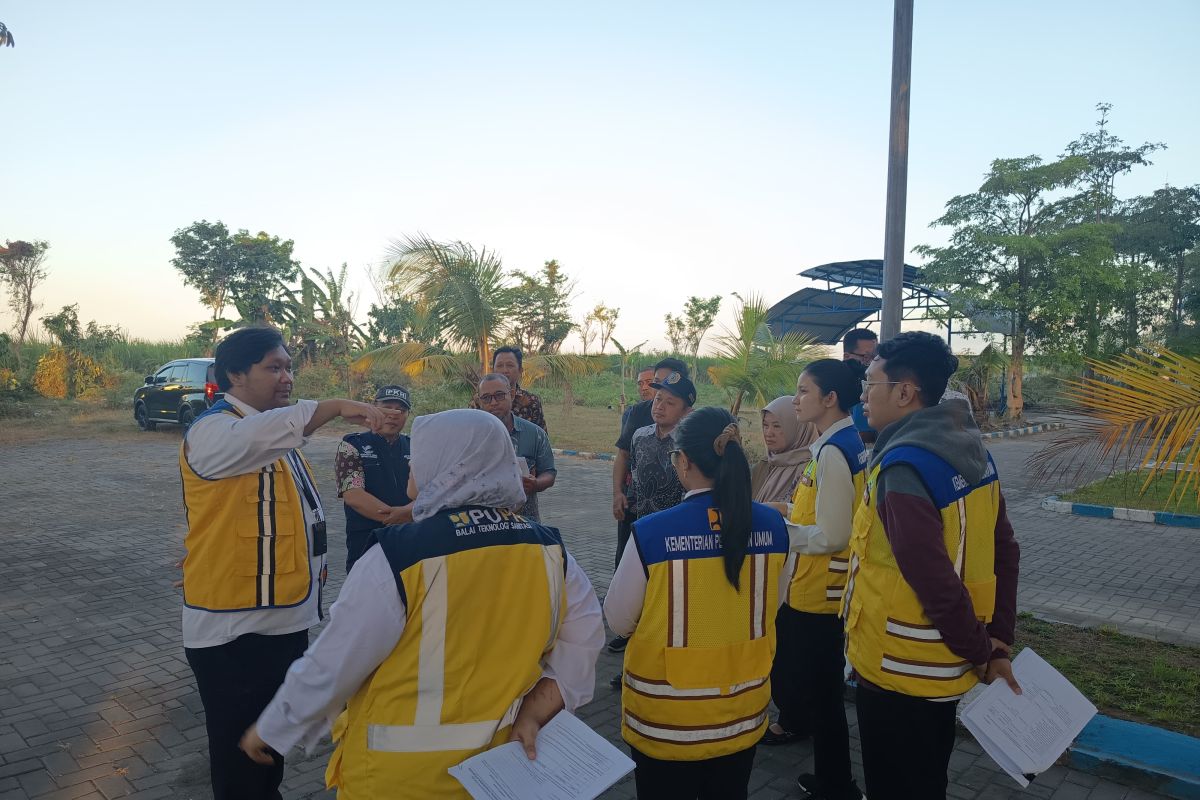
The Tulungagung Regency Government in East Java has reduced the target number of study groups for the primary school level at Sekolah Rakyat after encountering difficulties in meeting the demand for new student candidates for the boarding education system. Head of the Tulungagung Social Service, Reni Prasetiawati Ika Septiwulan, stated on Sunday that the initial proposal for three primary school study groups was adjusted to two following discussions with the central government. “Our proposal for the primary level was initially three study groups, but only two were approved,” she said. According to Reni, the adjustment was made because the student recruitment process for primary school is more difficult compared to the junior and senior high school levels. Most prospective students are still of an early age, so parents are not yet ready to let their children participate in a boarding school system. To overcome this obstacle, the Social Service is reaching out to the families of prospective students, including opening up the opportunity for parents to accompany their children during the initial days of living in the dormitory. “We are approaching the parents. If necessary, they can even accompany their children for the first one to two days,” she said. The Sekolah Rakyat in Tulungagung is designed to accommodate around 1,000 students from primary to senior high school levels. Prospective students are prioritised from families receiving the Family Hope Programme (PKH) in the first and second deciles. In addition to providing free education services, the programme is also directed at improving family welfare through economic empowerment, business capital assistance, and home renovations for eligible families. “This programme does not only target children’s education, but also the empowerment of their families to become more independent,” Reni said.