
Tuban Mini LNG Plant Built to Reduce Import Dependency
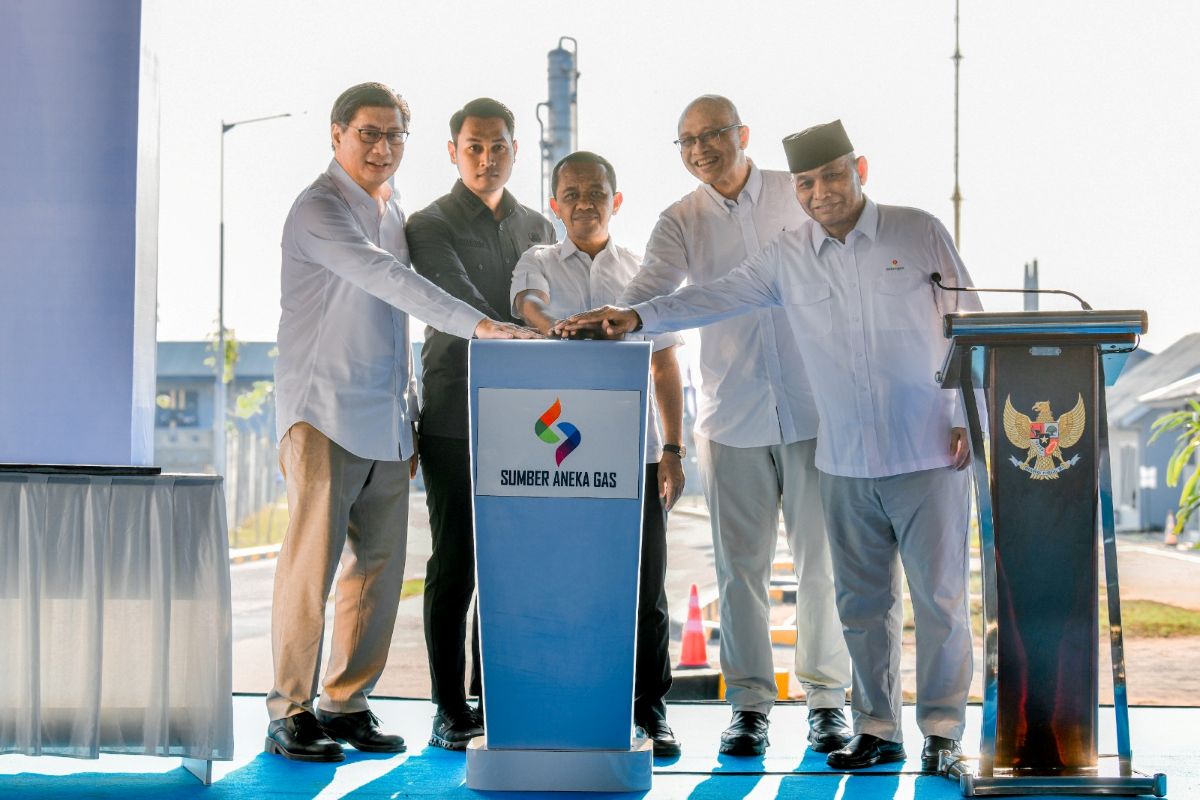
The government continues to strengthen the utilisation of domestic energy sources as part of efforts to enhance national energy resilience and independence. One such step is the inauguration of a mini liquefied natural gas (LNG) plant in Tuban, East Java, which is expected to optimise the use of natural gas while providing added value to the economy.
The inauguration of the facility was carried out by the Minister of Energy and Mineral Resources, Bahlil Lahadalia. According to him, the development of gas processing infrastructure is crucial amidst global geopolitical dynamics that are prompting many countries to maximise the use of domestic energy sources.
“I see this as a tangible work being done to meet national energy needs. This facility produces LNG, LPG, condensate, and CNG, which can strengthen the energy mix while helping to reduce dependency on LPG imports,” said Biddil.
The mini LNG plant is designed to produce various energy products, including LNG, compressed natural gas (CNG), liquefied petroleum gas (LPG), condensate, and in the future, liquid carbon dioxide (liquid CO2). The gas supply is sourced from the Sumber Field in Tuban under a contract lasting until 2035.
The LNG production capacity reaches approximately 55,300 tonnes per year, supported by storage tanks with a capacity of 1,600 cubic metres. Additionally, the facility is capable of producing around 9,800 tonnes of LPG per year, 19,600 barrels of condensate per year, and up to 21,000 tonnes of liquid CO2 per year.
All production output is planned to meet the needs of the industrial sector, power plants, and retail markets in Java, Bali, and Sulawesi. The distribution system is also designed using land transport networks to strengthen the domestic LNG supply chain.
Bahlil assessed that the presence of this facility could help maintain the availability of energy raw materials for the industrial sector, especially when gas supplies in several regions experience declines, necessitating the use of LNG as an alternative.
He also requested gas suppliers to ensure that supplies remain stable until the end of the contract period so that the investments made can provide optimal benefits.
“Please support this project sustainably. Certainty of supply is very important so that ongoing investments can continue to develop and provide benefits for both industry and the community,” he said.
The government hopes that the facility will be able to increase the utilisation of domestic natural gas, strengthen the reliability of energy supply, reduce the use of more expensive and higher-emission fuels, and simultaneously increase the competitiveness of national industry.
The existence of this mini LNG plant is part of the government’s strategy to strengthen national energy security through the optimisation of domestic resources. Synergy between the government, business actors, and various stakeholders is considered essential to ensure that national energy management can support sustainable economic growth.