
Trump's Protectionism Backfires as China's Tech Independence Grows
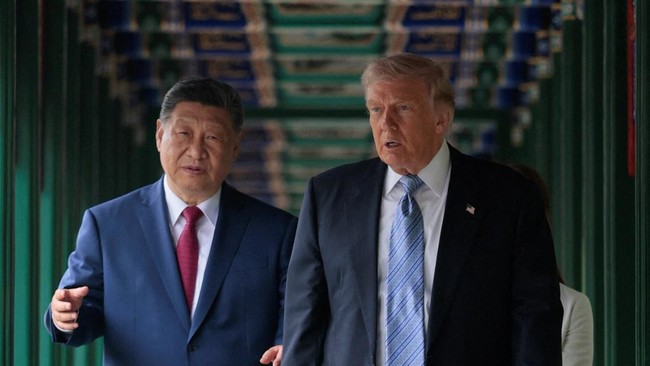
The protectionist policies implemented by the Trump administration to hinder China’s technological progress have proven futile. Sanctions and restrictions on the export of advanced US technology to China have not left Beijing without options. In fact, China has continued to independently develop advanced technology, with its chip and artificial intelligence (AI) industries growing so significantly that they are now causing concern in the United States. Now, it is China that is seeking to protect its domestic chip technology. Beijing’s latest effort is the release of revised regulations on chip manufacturing. The new rules will increase protection for locally designed chip layouts. These regulations will protect integrated circuit layout designs while tightening registration standards and punitive damages for serious infringements. One of the points regulated is the determination of how components are arranged within a chip, the design, and the core of semiconductor development. This also applies to companies that do not manufacture chips independently. China’s Ministry of Justice and the National Intellectual Property Administration stated that the regulations will take effect on 15 October 2026. This step is China’s latest response after being bombarded by a series of restrictions from the US. The Trump administration previously restricted China’s access to advanced semiconductor design software and manufacturing equipment. Beyond the new regulations, Beijing authorities are reportedly considering broader measures to prevent critical domestic technology from moving overseas. The Financial Times mentioned that some proposals include restricting the production of advanced chips based on local designs abroad. China is seeking to make it harder to copy its work while securing legal rights over designs developed by other parties. Alfredo Montufar-Helu, Managing Director of Ankura China Advisor, said that Beijing’s effort aims to filter claims regarding quality and distinguish companies based on their technological capabilities. ‘By raising the standard of originality, tightening registration requirements, and penalising bad-faith applications, Beijing seeks to filter out low-quality claims and distinguish companies with genuine technological capabilities,’ he explained.