
Trump's Position on US-Israel Aggression Against Iran Shifts Within 24 Hours
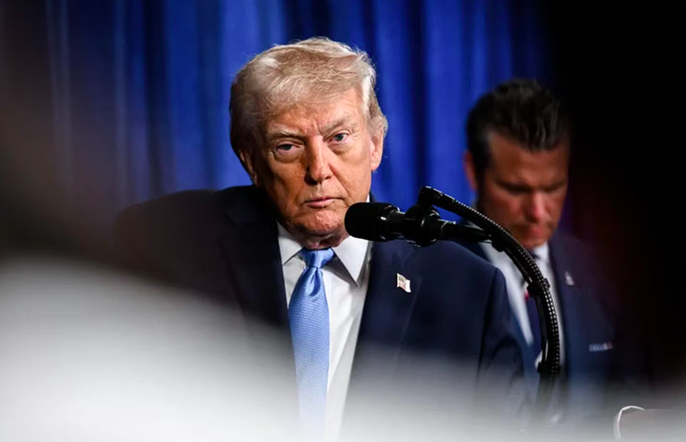
Within the past 24 hours, Trump has delivered conflicting messages concerning the duration of the ongoing military conflict. On the previous evening, he stated that operations were nearly complete in terms of timeline determination. The implementation timing is crucial, as it stabilises markets.
He subsequently held a press conference in which he declared that should Iran decide to blockade the Strait of Hormuz, the United States would attack them more forcefully than ever before.
When asked whether the war would end this week, Trump responded negatively but indicated it would conclude soon. Trump has consistently demonstrated flexibility regarding deadlines – in reality, such timeframes carry limited significance. He will make decisions whilst considering the public relations dimensions of the situation and what has actually been accomplished. He seeks regime change, which is clearly not occurring at present.
Meanwhile, Israeli military spokesman Avichay Adraee posted on X claiming that the military had “begun attacking Hezbollah infrastructure in the southern suburbs of Beirut”, adding that further details would follow.
Adraee explained that organisers continue monitoring developments in the global situation whilst cooperating with federal partners.
Regarding Iran’s position, the country intends to break the cycle of war-negotiation-ceasefire and subsequent renewed conflict. For Iran, the situation is straightforward: as long as they do not lose, they win.
Global oil prices experienced sharp declines amid the US-Iran conflict following President Trump’s statement suggesting the war could end imminently. US Senator Lindsey Graham has threatened to suspend defence cooperation if Saudi Arabia refuses to join the conflict against Iran. Riyadh and the UAE have reaffirmed that their territories cannot be used for attacks on Iran.
British government bonds have experienced considerable appreciation since the crisis began.