
Trump's Dilemma in the Strait of Hormuz: Why US-Iran Negotiations Always Reach a Deadlock?
Tensions in the Strait of Hormuz have once again reached a boiling point. Under the leadership of President Donald Trump, Washington is working hard to reopen this vital artery of the world economy while simultaneously curtailing Tehran’s nuclear ambitions.
What appears to be standard diplomatic negotiation on the surface is, in reality, a clash of two very different philosophies: power versus ownership. For Washington, negotiation is a matter of projecting economic power and imposing sanctions. Conversely, Tehran views negotiation through the lens of ownership. This strategy is rooted in a long history dating back to the 1979 revolution, where Iran has frequently used hostages as an ace in the hole to force the United States to succumb to its demands.
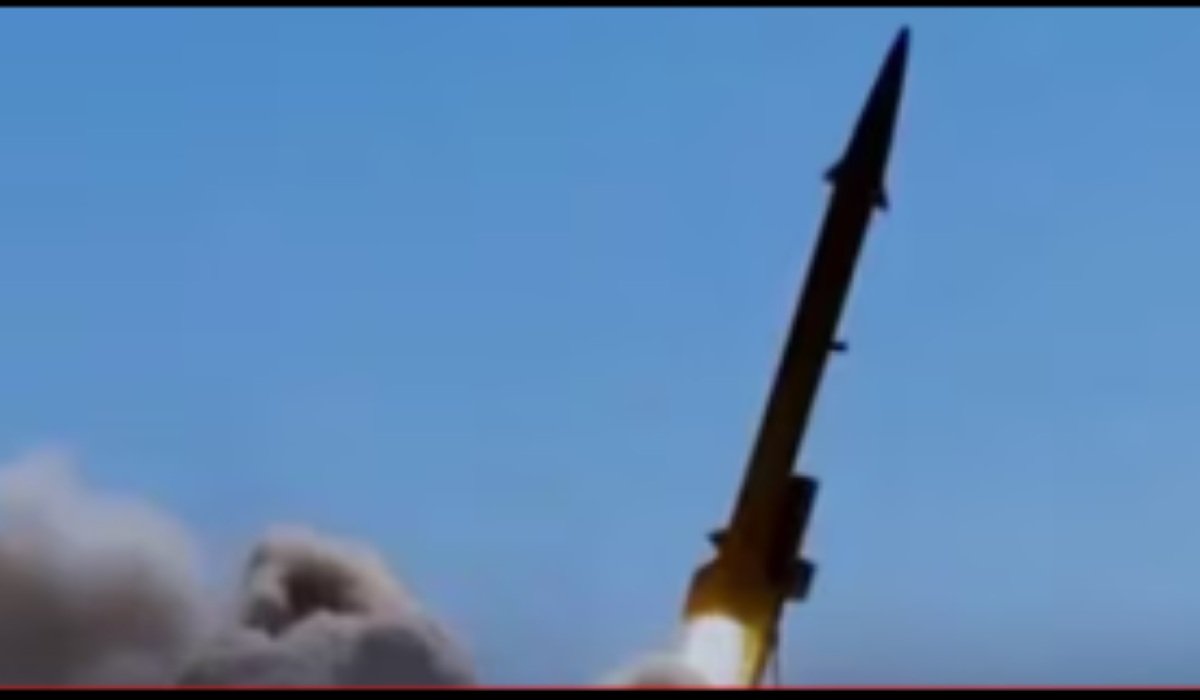
Currently, the ‘hostage’ held by Tehran is no longer individual American citizens, but the Strait of Hormuz itself—a maritime route that serves one-fifth of global oil trade. By controlling access through the threat of missiles and drones, Iran feels it possesses an asset highly coveted by the world, and they are unwilling to relinquish it without a very high price.
In a recent interview, Rezaei described these demands as a test of trust for Trump. This includes the US$6 billion that was part of a hostage exchange deal in September 2023, but access to which was blocked by Washington following the October 7 attacks by Hamas.
Now, Tehran is quadrupling its stakes. They are betting that the global macroeconomic pressure resulting from surging energy prices will force Trump to surrender more quickly than the impact of the blockade on Iranian ports will affect their own domestic stability.
This situation places the White House facing three equally risky options. To date, negotiations remain at a deadlock. As long as Tehran feels it holds control over an asset the world desperately needs, they will not surrender cheaply. The Strait of Hormuz is no longer merely a trade route, but the largest economic hostage in modern history.