
Trump Warns Iran Blockade Could Last Months, Oil Prices Soar
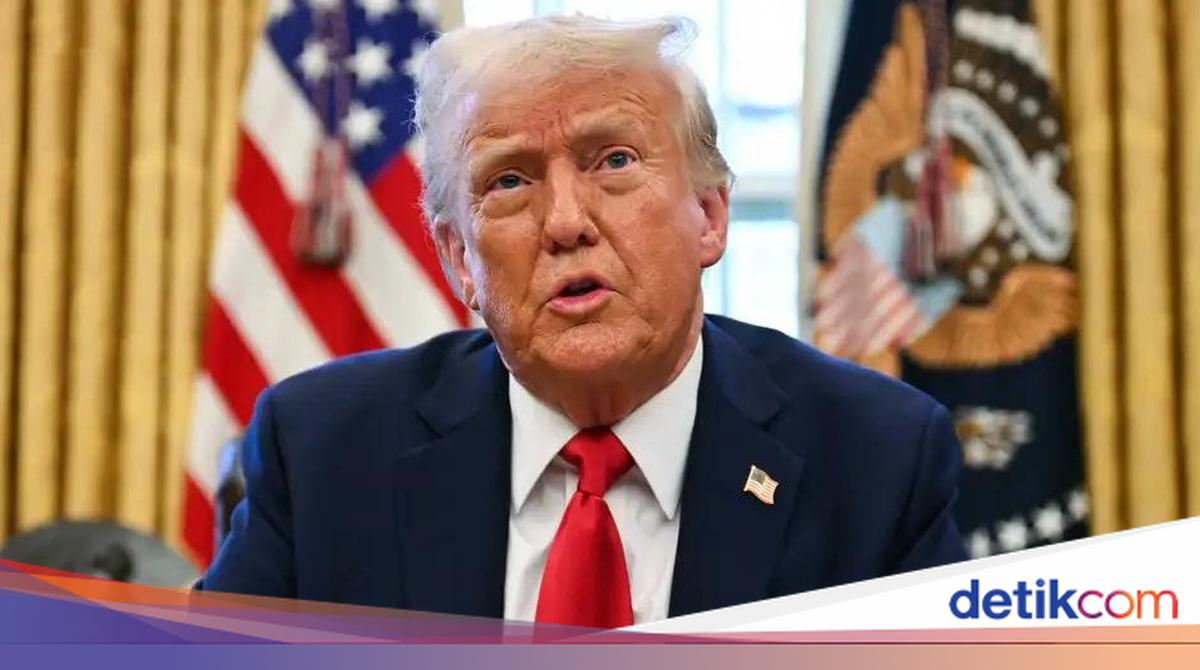
US President Donald Trump has warned Iran that the naval blockade imposed by Washington on Tehran’s ports could last for months. This warning immediately caused oil prices to surge to their highest level in the past four years.
The statement, as reported by AFP and TRT World on Thursday (30/4/2026), was made by Trump during a closed-door meeting with executives from US oil companies held at the White House on Tuesday (28/4) local time. The meeting was first reported by US media outlet Axios.
During the meeting, Trump argued that blockading Iran’s ports is more effective than bombing. Tehran continues to demand that Washington lift the blockade before reaching any agreement.
An unnamed White House official revealed that Trump also discussed in the meeting his efforts “to ease the global oil market and measures we can take to continue the current blockade for several months if necessary and minimise the impact on American consumers”.
“The President often meets with energy executives to get their feedback on the domestic and international energy markets,” the White House official said.
He added that the topics discussed in the meeting included “domestic production, progress in Venezuela, future oil prices, natural gas, and its delivery”.
In a separate interview with Axios earlier, Trump stated that he chose to maintain the naval blockade to pressure Iran regarding its nuclear programme. He emphasised that his main goal is to prevent Tehran from acquiring nuclear weapons.
“This blockade is somewhat more effective than bombing. They’re choking like a stuffed pig. And it will get worse for them. They can’t have nuclear weapons,” Trump told Axios.
These comments have driven Brent crude oil prices up another 7.6%, to $119.69 – the highest price since the Ukraine war began in 2022.
Iran has sought to retaliate against the joint US-Israel attacks, which started in February 2026, by restricting shipping in the Strait of Hormuz, a critical waterway for global oil and gas supplies.
The US responded by imposing a naval blockade on Iran’s ports, in an effort to pressure Tehran to reopen the Strait of Hormuz.
Recently, Iran submitted a new proposal to the US through Pakistan as a mediator. The proposal offers to reopen the Strait of Hormuz in exchange for the lifting of the US naval blockade, while nuclear negotiations are postponed to the next stage.
Trump rejected the proposal and stressed that the naval blockade remains in place until a nuclear agreement is reached between Washington and Tehran.