
Trump Urges Arab Nations to Expand Abraham Accords
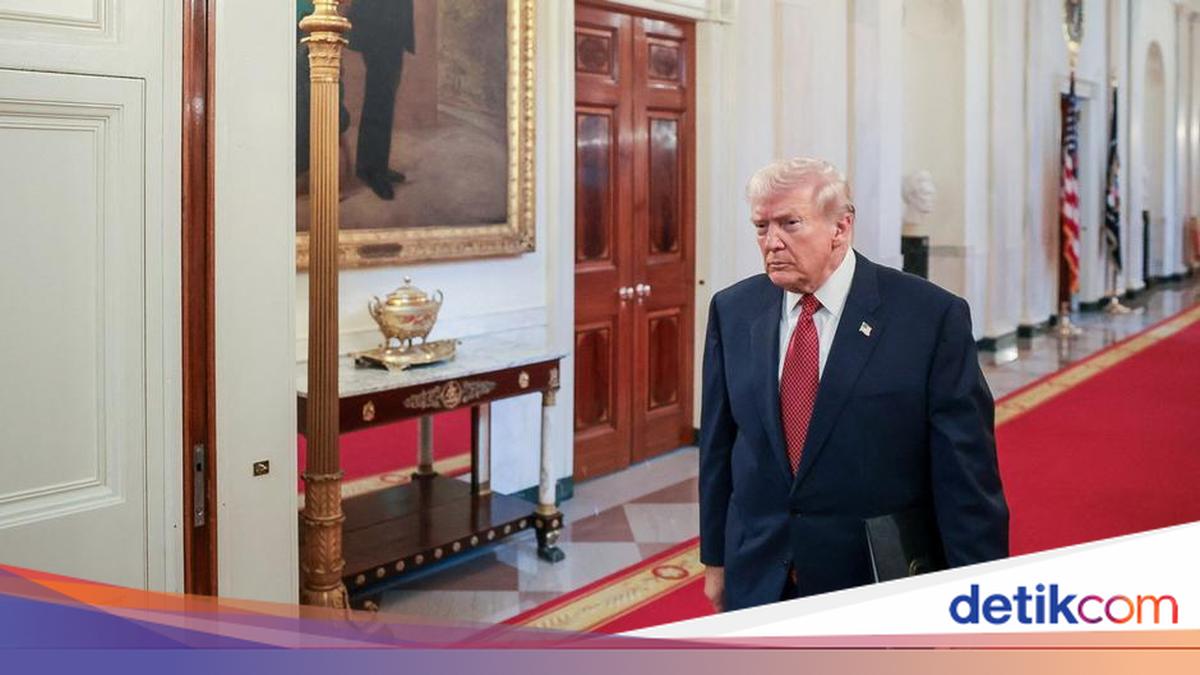
The agreement is concise, barely two pages long. Its content is vague: a declaration of good intentions regarding peace, dialogue, and cooperation in science, arts, medicine, and trade. There are no concrete action details in the document widely known as the Abraham Accords. Named after the prophet revered by Christians, Jews, and Muslims, the peace deal is a legacy of Donald Trump’s first presidency. Its ambitious goal is to normalise foreign relations between Israel, the United States, and Muslim nations, particularly in the Arab world.
Now, Trump is sounding the alarm again. He openly urges other Middle Eastern nations to join the Abraham Accords. This move comes as crucial negotiations to end the Iran conflict are ongoing. On his Truth Social platform, Trump unhesitatingly lists potential new partners: Saudi Arabia, Qatar, Pakistan, Turkey, Egypt, and Jordan.
A “global coalition” in the making?
Trump acknowledges some nations’ doubts but quickly insists that “most should be ready and willing” to make the Iran agreement a “far more historic event.” In Trump’s calculus, Saudi Arabia and Qatar must act swiftly. Those reluctant to join are branded as “ill-intentioned” and risk being excluded from future accords.
Disregarding the simmering tensions and hostilities in the Middle East, Trump wrote that “the region will unite, become strong and economically powerful—perhaps unmatched globally.” Even Iran, Israel’s arch-enemy, is on Trump’s radar. If Tehran agrees to a deal with the US, Trump considers it an “honour” to integrate Iran into his “unmatched global coalition.”
Tracing the Abraham Accords’ history
The agreement originated during Trump’s first term. In 2020, Washington successfully brokered historic reconciliations between Tel Aviv and several Arab capitals. The United Arab Emirates (UAE), Bahrain, Morocco, and Sudan agreed to new ties with Israel. Last year, Kazakhstan—a former Soviet republic that had diplomatic relations with Israel since 1992—also signed the pact.
Supporters view the treaty as a crucial stepping stone. It marks the first normalisation between Israel and the Arab world since peace deals with Egypt in 1979 and Jordan in 1994. Immediate effects include a surge in regional business and initiatives. For instance, Israel-UAE relations have advanced rapidly through various agreements, including a five-year agricultural science exchange programme.
The international community initially hailed the move as a brilliant diplomatic breakthrough, as it broke the longstanding precedent that normalisation with Israel could only occur after resolving the Israel-Palestine conflict via a Two-State Solution.
However, this gap has drawn criticism. Many argue the accords ignore the core issue. Palestinian sentiment is strongest, feeling their position is increasingly squeezed and betrayed. “This agreement strips Palestine of its diplomatic ace against Israel,” said Khaled Elgindy to IPG-Journal, affiliated with Germany’s SPD party. The consequences are dire for Palestine’s future: “Israel loses its last incentive to end its occupation of Palestinian territories or even acknowledge their rights.”
Assessing Trump’s expansion ambitions
On paper, Trump’s immediate goal of expanding the accords seems distant. Riyadh, for instance, remains unmoved: normalisation with Israel will only occur with concrete steps toward Palestinian statehood.
For Qatar, joining the pact would be political suicide. Doha has cultivated a reputation as a neutral regional mediator, maintaining communication channels with Hamas—a group designated a terrorist organisation by the EU and its allies—while solidifying its image as a leading advocate for Palestinian rights. Switching sides would undermine this role.
Even more utopian is Iran’s inclusion. Placing Tehran at the same table as Israel is deemed impossible given the entrenched hostility.