
Trump Unhappy with US-Iran Peace Negotiation Results
US President Donald Trump has stated he is ‘not satisfied’ with the points of the ongoing peace negotiations with Iran. Despite claiming Tehran is keen to end the conflict, Trump warned Washington would resume attacks if no deal is reached.
The remarks followed Iran’s state TV reporting details of a draft agreement, reportedly including the reopening of the Strait of Hormuz and US troop withdrawal from the region. The White House immediately denied the report, labelling the text a ‘total fabrication’.
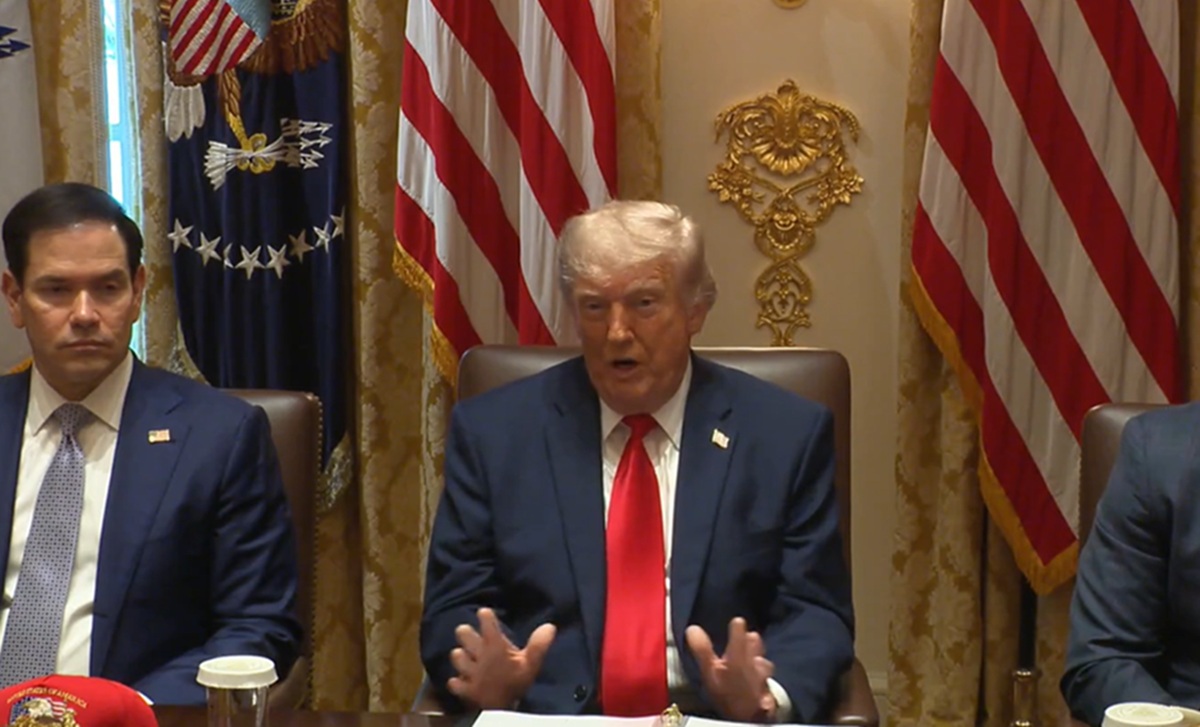
‘They just want to make a deal — I think they have no choice,’ Trump told reporters during a cabinet meeting on Wednesday. ‘They are negotiating under critical conditions.’
‘Iran is very keen, they really want to make a deal. So far, they haven’t achieved it and we are not satisfied with that. But now we will achieve it or we will have to finish the job,’ he added.
Although both sides indicated progress last week, Tehran later warned the agreement ‘is not yet in sight’. Trump confirmed he had instructed negotiators not to rush.
Foreign Minister Marco Rubio added there had been some progress and interest in the talks. ‘We’ll see in the coming hours and days if progress can be made,’ Rubio said. However, neither Trump nor Rubio detailed the sticking points.
Iranian media previously claimed the draft included lifting US maritime blockades on Iranian ports. In return, Iran would restore commercial traffic in the Strait of Hormuz within a month under Iranian and Omani control. In response, Trump insisted ‘no one’ would control the Strait of Hormuz and it must be opened immediately.
Trump also denied rumours of considering sanctions relief or allowing Russia and China to secure Iran’s enriched uranium.
The conflict erupted after the US and Israel launched large-scale strikes on Iran on 28 February. Iran retaliated by attacking Israel and US allies in the Gulf, closing the Strait of Hormuz and causing global oil prices to surge. A ceasefire was agreed on 8 April, but tensions flared again this week after the US conducted what it called a defensive strike, which Tehran condemned as a serious violation.
China and India have increased oil imports from Brazil as a safe alternative energy supply amid the US-Israel-Iran conflict in the Strait of Hormuz.
Trump faces significant political pressure to resolve the conflict as energy prices soar and Congress criticises his handling of the crisis.
Negotiations between the US and Iran have reportedly made significant progress on nuclear and Strait of Hormuz issues, but Trump has insisted on not rushing the signing.