
Trump Threatens Retaliation as US Casualties Rise, Pezeshkian Declares 'Full-Scale War'
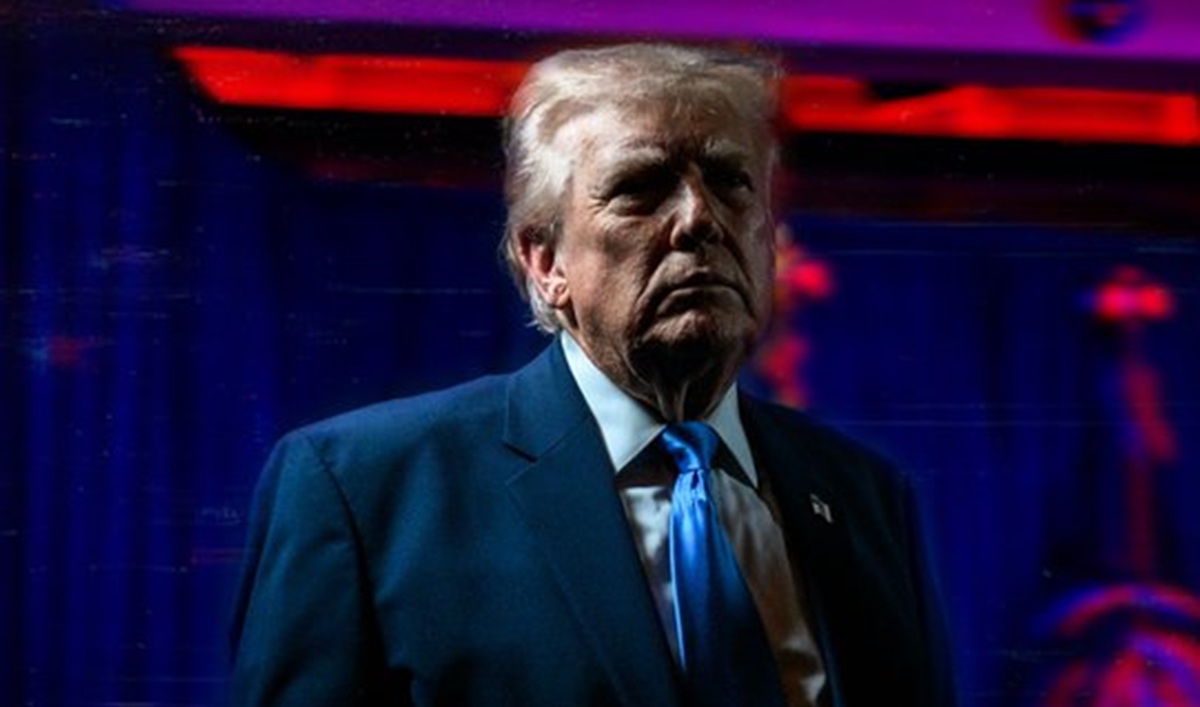
US President Donald Trump has issued a stark warning to Tehran that Iran will pay a heavy price for every American soldier killed, as the death toll among US forces continues to rise. The latest incident, which claimed the lives of three additional US troops, brings the total number of American military personnel killed since the conflict began to 17, with the Pentagon reporting nearly 100 others wounded. In a post on his Truth Social platform, Trump declared, “Every time Iran kills an American soldier, they will pay for that murder many times over! This directive has been given to Secretary of War Pete Hegseth, Chairman of the Joint Chiefs of Staff Daniel Caine, and every Leader in the Military.”
Responding to the intensifying situation, Iranian President Masoud Pezeshkian stated that the confrontation with Washington has entered a critical new phase. “The reality is that today the Islamic Republic of Iran is engaged in a full-scale war,” Pezeshkian said. In retaliation for the loss of its personnel, US Central Command confirmed it has launched a new wave of strikes designed to degrade Tehran’s military capabilities, particularly those used to target commercial vessels in the Strait of Hormuz.
The conflict has widened as Iran-backed Houthi rebels in Yemen threatened to blockade Saudi Arabian ports, jeopardising Riyadh’s oil exports via the Red Sea port of Yanbu, an alternative route to the volatile Strait of Hormuz. This threat follows the first exchange of fire in years between Saudi forces and the Houthis, endangering the 2022 ceasefire agreement. Saudi Arabia condemned the threats and reaffirmed its commitment to supporting Yemen’s legitimate government. Meanwhile, Iran’s Revolutionary Guard claimed to have struck multiple targets in Bahrain, Jordan, and Syria using missiles and drones. Jordanian military officials reported intercepting three Iranian missiles without casualties or damage, while Kuwait and Bahrain also reported similar attacks originating from Iran.
The regional war reignited after the collapse of an April ceasefire and a June framework agreement. The mutual blockades and disruption of the Strait of Hormuz, a vital chokepoint for a fifth of the world’s oil supply, have caused global oil prices to spike sharply. Despite the escalating violence, Iranian Foreign Ministry spokesman Esmaeil Baqaei stated that diplomatic channels have not been completely severed and that communication with the United States continues through third-party mediators. “Ideas have been conveyed to us by certain mediators,” Baqaei said.