
Trump Threatens Nations Supporting Iran, Tehran Says US Has Failed
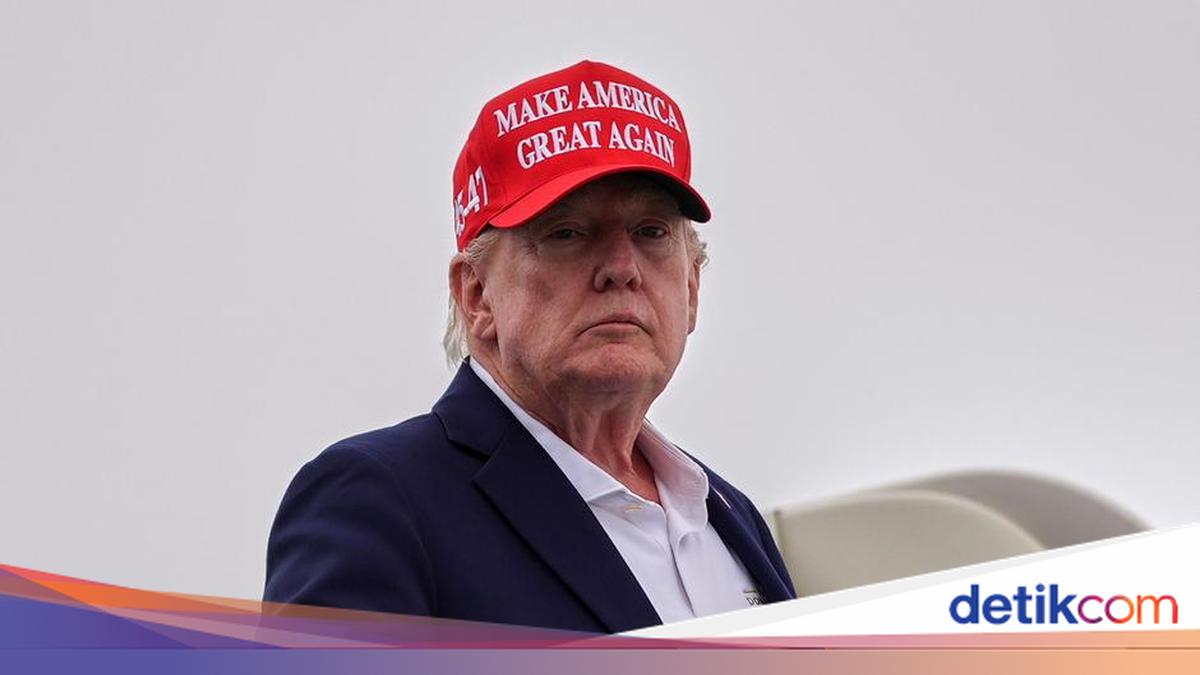
United States President Donald Trump has threatened to impose severe economic consequences on any country providing ‘assistance in any form’ to Iran. The threat was made as Washington seeks to end the war that broke out after US and Israeli strikes on Iran on 28 February. ‘Any country that allows its financial institutions, companies, airports, or government entities to provide any assistance to Iran will face enormous economic consequences,’ Trump wrote on Truth Social on Wednesday, 20 August 2026. He promised ‘economic warfare and isolation on an unprecedented scale’. Trump did not specify the form of sanctions to be applied or which countries would be targeted. The threat could potentially target countries that have been acting as intermediaries in peace negotiations.
Iranian Foreign Minister Abbas Araghchi responded to the threat by calling it a continuation of America’s failed policy. According to him, Washington will face an even greater defeat if it continues to maintain that approach. ‘The so-called “Economic D-Day” is a distraction from America’s own crisis: unprecedented debt and soaring interest burdens,’ Araghchi said via X. ‘Doubling down on failed policies will only bring further defeat and hostility from the Iranian people.’ He also accused America of carrying out ‘economic terrorism’ that threatens the world economy and the sovereignty of other nations.
The Iran-US war, which has involved Israel, has killed thousands of people and shaken global markets. The conflict has also spread to the Gulf region. The Strait of Hormuz—a vital route for the world’s energy trade—has become one of the most vulnerable points. Before the war, around one-fifth of the world’s traded oil passed through the strait. A ceasefire agreement on 8 April halted large-scale air strikes from both sides. However, sporadic clashes have continued around the Strait of Hormuz. America has made reopening the shipping lane a priority, while Iran insists the strait remain closed until Washington lifts its naval blockade of Iranian ports, removes oil sanctions, and unfreezes Iranian assets held abroad.
The United States and Iran have twice announced ceasefire agreements, in April and June, with hopes that shipping traffic in Hormuz would return to normal and the conflict could be ended. Both, however, quickly collapsed. Israel itself has largely withdrawn from the fighting.
Iran has grown accustomed to facing severe economic sanctions for nearly five decades, since the 1979 Islamic Revolution. Trump reimposed the ‘maximum pressure’ policy after taking office in January 2025, reviving the approach he used during his first term. Tehran considers the sanctions to have failed to force Iran to change its policies. Iran, Araghchi said, remains open to dialogue with Washington but does not regard negotiations as a form of surrender.
Meanwhile, the United Arab Emirates on Tuesday (18/8) announced the suspension of all trade activities, commercial exchanges, and financial transactions with Iran until an unspecified time. The decision was taken after the UAE Ministry of Defence stated it had detected two missiles launched from Iran that subsequently fell into the sea. Iran dismissed the report as baseless. The UAE’s move drew attention because the country hosts one of the United States’ main military bases in the region.
On the other hand, Washington’s room for manoeuvre in expanding economic warfare against Iran is not without risk. Data from analytics firm Kpler shows China bought more than 80 percent of Iran’s shipped oil throughout 2025. Beijing itself is a supplier of various strategic commodities to the United States, including rare earth minerals vital to the technology and defence industries.
Trump has said he is pursuing a broader goal: seizing Iran’s stockpile of highly enriched uranium and imposing a new, stricter deal to limit Tehran’s energy programme and nuclear research. The United States unilaterally withdrew from the Iran nuclear deal in 2018. Iran, a signatory to the Nuclear Non-Proliferation Treaty, has for decades stated that its nuclear programme is for peaceful purposes.
Amid conflicting statements about negotiations, the positions of both sides also remain unclear. Trump said on Tuesday that no talks were taking place with Iran. A day earlier, his son-in-law and special envoy, Jared Kushner, said negotiations were still ongoing and even ‘perhaps more intense’ than before. Tehran, however, has stressed that military pressure and economic sanctions will not break its resolve.