
Trump Threatens Economic Isolation, Iran Calls Policy a Failure
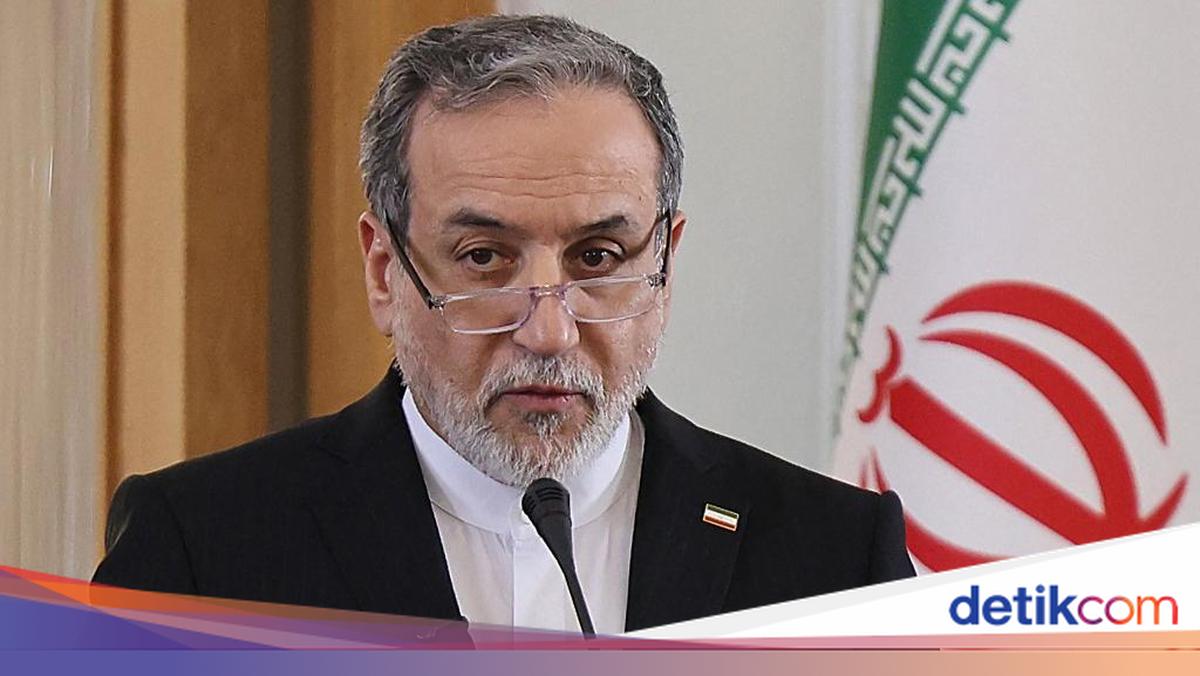
Iran has dismissed the threat of economic isolation made by United States President Donald Trump against Tehran and its supporting countries. Iranian Foreign Minister Abbas Araghchi called it a continuation of America’s “failed policies”.
Araghchi assessed that such policies would only bring “further defeat” for Washington.
In his response via social media platform X, as reported by AFP and Reuters on Thursday (20/8/2026), Araghchi said Trump’s latest threat was merely an attempt to divert American public opinion from domestic financial problems, including record debt and rising interest rates.
“The so-called ‘Economy D-Day’ is just a distraction from the crisis facing America itself: unprecedented debt and soaring interest rates. Insisting on continuing failed policies will only bring further defeat – as well as hostility from the Iranian people,” Araghchi said in his statement.
“US economic terrorism threatens the global economy and the national sovereignty of countries around the world,” the Iranian foreign minister stated.
Trump, in his latest post via Truth Social, stated that he was announcing “THE MOST DEVASTATING ECONOMIC OPERATION EVER CONDUCTED AGAINST ANY COUNTRY!”.
“This will be Economic War and Isolation on an unprecedented scale,” the US President stressed in his post.
“Any country that allows its financial institutions, businesses, airports, or government entities to provide any form of rescue assistance to Iran will also face VERY SEVERE Economic Consequences,” Trump threatened.
The war raging between Iran and the US since late February is still far from over. After a ceasefire was implemented in April, the two countries have once again engaged in military combat, which has spread to other parts of the Middle East.
The situation has become increasingly complicated by the unrelenting dispute over the Strait of Hormuz, a vital waterway for global oil and gas supplies. Tehran has blockaded the strategic waterway during the war.
The US has made reopening the Strait of Hormuz a priority, but Iran insists that the waterway will remain closed until Washington lifts its naval blockade of its ports, removes oil sanctions, and unfreezes Iranian assets abroad.
Trump himself has long implemented a “maximum pressure” policy of economic sanctions against Iran and reinstated the measures after taking office for a second term in January 2025. Tehran has called the US sanctions a failure and stressed that sanctions and threats will not force it to change its stance.