
Trump Suffers Another Court Defeat, 10% Import Tariff Deemed Illegal
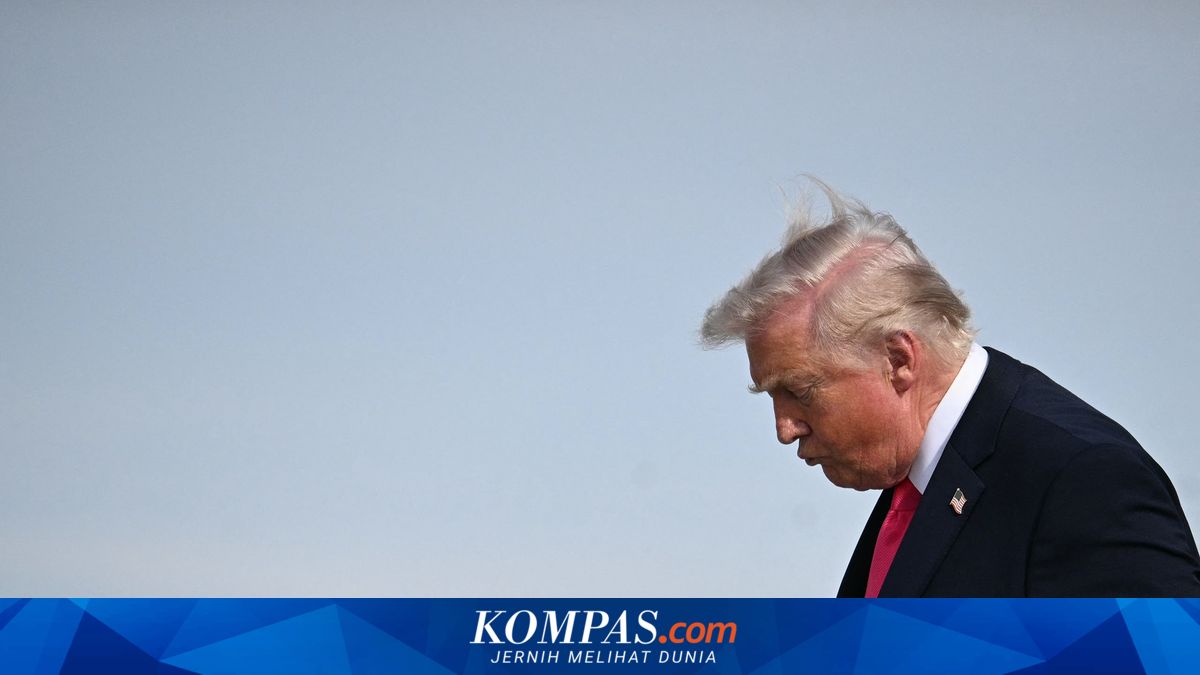
Efforts by US President Donald Trump to maintain his import tariff policy have encountered further legal obstacles. The US Court of International Trade has ruled that the 10% global import tariff imposed by Trump lacks adequate legal foundation and is therefore illegal. The decision, read out on Thursday (7 May 2026) local time, represents the latest blow to Trump’s protectionist agenda, which has relied on import tariffs to pressure trading partners and reduce the US trade deficit. The 10% import tariff was first enforced by the US government on 24 February 2026, shortly after the US Supreme Court invalidated several other tariffs previously announced by Trump under the International Emergency Economic Powers Act (IEEPA). Following that Supreme Court ruling, the White House then used Section 122 of the Trade Act of 1974 as a new legal basis to continue imposing broad import tariffs. However, the majority of judges determined that the Trump administration did not meet the requirements for using that provision. “The majority opinion notes that the presidential proclamation imposing the tariffs does not mention any ‘large and serious US balance of payments deficit’ as understood by Congress,” CNN reported on Friday (8 May 2026). The court also ordered the government to cease collecting tariffs from the plaintiffs and to refund previously collected payments. Nevertheless, the 10% tariff may still be applied temporarily to other importers not involved in the lawsuit at least until July 2026. The government estimates that reviewing refund claims will take about 45 days, while disbursing refunds is expected to occur 60 to 90 days after verification is complete. More than 25,000 importers have reportedly filed for tariff refunds, including major companies like Costco and FedEx. This court ruling further limits Trump’s room to manoeuvre in using global tariffs. Currently, the main tariff instruments still available to the US government are sectoral tariffs or industry-specific tariffs, such as those in the automotive sector and certain other industries. On the other hand, Trump continues to intensify trade pressure on several key US partners, including the European Union. He has given the EU until 4 July to fulfil trade agreement commitments or face higher tariffs. Last week, Trump also shocked markets by announcing plans to raise tariffs on EU-origin vehicles to 25% from the previous 15%.