
Trump Suddenly Links Saudi Nuclear Deal to Israel Recognition
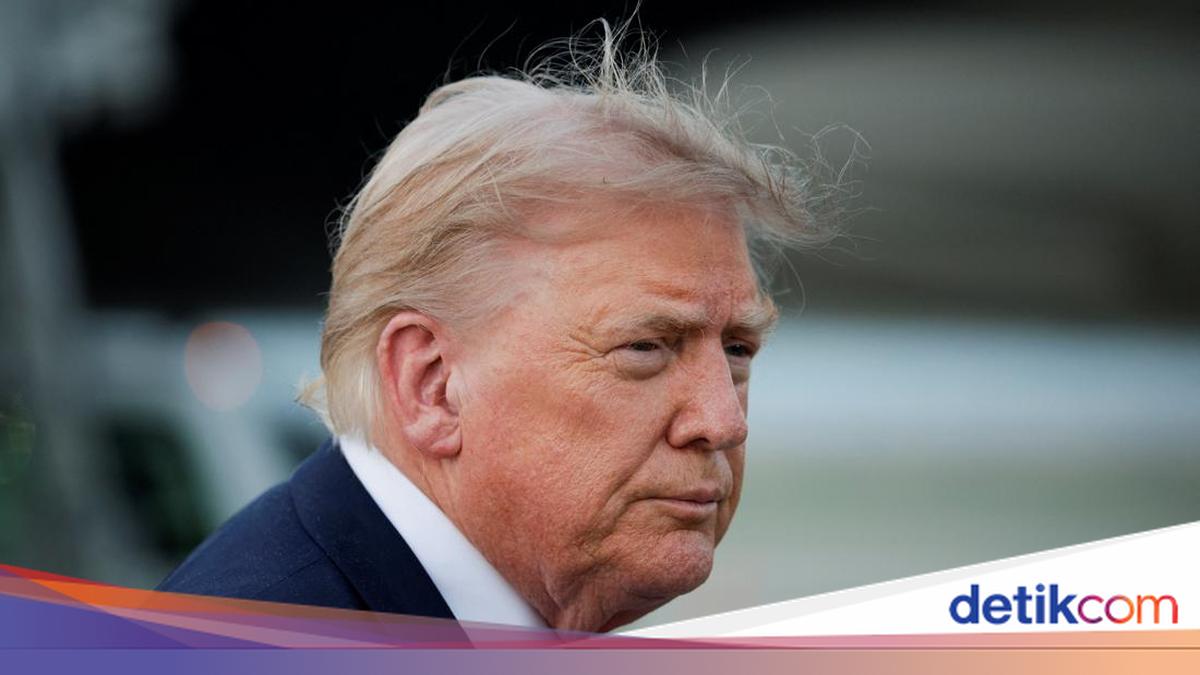
In a surprise move, US President Donald Trump suddenly stated that the nuclear agreement with Saudi Arabia depends on the kingdom’s recognition of Israel, potentially throwing the deal into disarray only a day after it was signed.
This new condition emerged despite the Saudi government having long refused to join the so-called Abraham Accords with Israel.
The condition was not mentioned in the civil nuclear agreement announced on Wednesday, which appeared to be a major victory for Saudi Arabia as Trump pressed his campaign against Iran over its nuclear programme.
However, Trump surprised Saudi Arabia with his latest post on Truth Social, stating that the deal “will be approved, but entirely depends on Saudi Arabia joining the highly respected and successful Abraham Accords.”
The White House insisted that Trump had previously informed Saudi Arabia that the nuclear deal was contingent on recognition of Israel.
“The President has always been the ultimate decider of the deal. He has said that if they do not join the Abraham Accords, the deal is off,” White House Press Secretary Karoline Leavitt told reporters, as reported by AFP on Friday (24/7/2026).
“The President has spoken directly with the Saudi side about this in many past conversations, and the administration will continue to engage in these discussions,” she added.
Leavitt said she was not aware of any phone call between Trump and Netanyahu following the announcement of the Saudi deal.
So far there has been no immediate reaction from Riyadh.
- ‘Historic leap’ -
Meanwhile, Israeli Prime Minister Benjamin Netanyahu said recognition by Saudi Arabia would mark a “historic leap” forward for peace in the Middle East.
If the agreement to build a civil nuclear programme in Saudi Arabia comes to fruition, it would generate billions of dollars for American companies.
However, with Trump’s latest announcement, it is unclear whether the deal will ever materialise.
If Washington “tries to force normalisation on Riyadh, it is very unlikely to go down well,” said H.A. Hellyer, an analyst at the Royal United Services Institute (RUSI), a leading defence and security think tank in the United Kingdom.
“Would Saudi Arabia decide to make a 180-degree turn from what they have stated over the past three years, or the past 30? It is highly doubtful,” he told AFP.
Critics have also insisted that the deal could spark a nuclear arms race in a region already ravaged by war.
Riyadh, like Tehran, has long insisted on its right to pursue a civil nuclear programme. Last year, it signed a mutual defence pact with nuclear-armed Pakistan.
Previously, the prominent US outlet The Wall Street Journal reported that one provision in the US-Saudi nuclear agreement could potentially allow US companies to build uranium enrichment facilities in Saudi Arabia.
The nuclear agreement will be submitted to the US Congress for review.
Members of the US Congress from both parties and Israeli officials have previously voiced opposition to such a project, citing concerns that Saudi Arabia could ultimately convert its civil nuclear programme to develop nuclear weapons.