
Trump seeks Supreme Court approval on mail-in voting rules
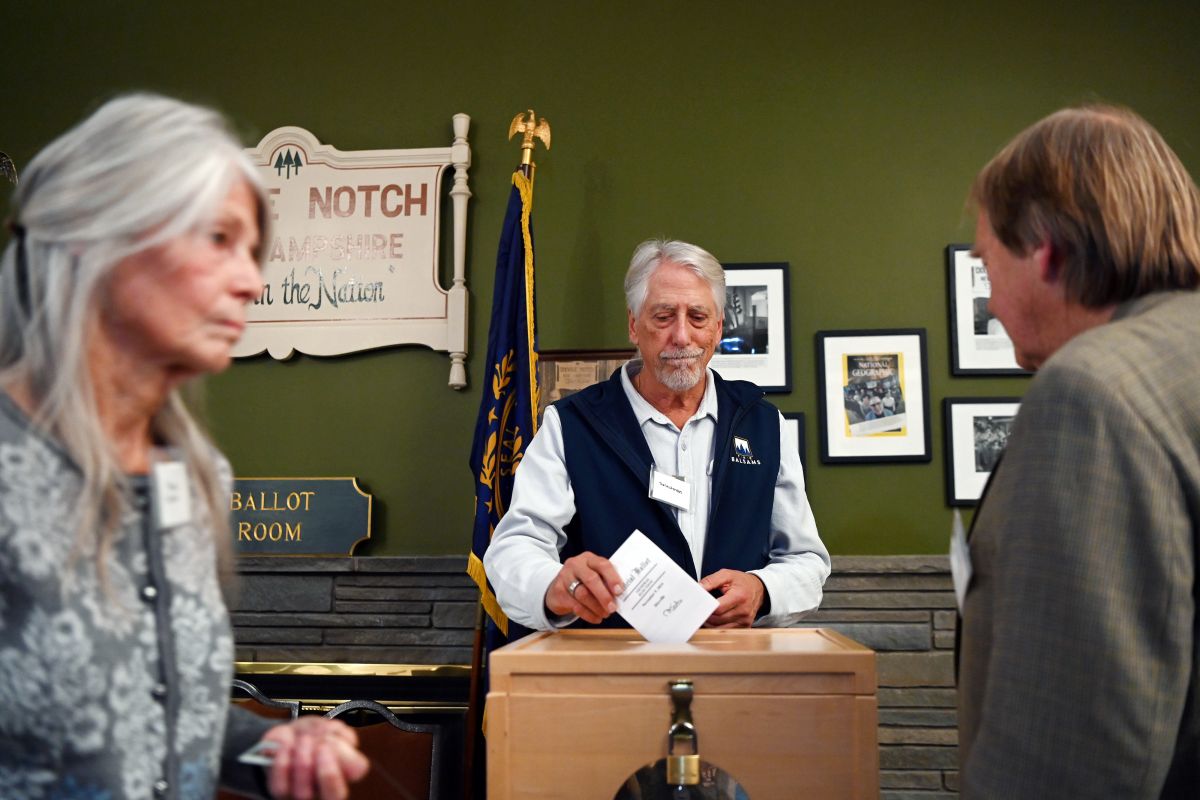
The administration of US President Donald Trump on Monday asked the Supreme Court to permit the enforcement of an executive order that tightens mail-in voting rules and establishes a federal voter eligibility list ahead of the November midterm elections. The US Department of Justice filed an emergency application with the Supreme Court on Monday, requesting it suspend a lower court ruling that blocked the order. The Trump administration stated the application was necessary to ensure the new policy could be implemented before the midterm elections. The executive order, signed by Trump in March, instructs federal agencies to compile a list of eligible US citizens, requires the US Postal Service to send mail-in voting documents only to registered voters, and calls for stricter voter registration requirements. The order was challenged by a number of states, mostly led by the Democratic Party, and the District of Columbia, which argued that Trump had exceeded his authority. A federal court in Massachusetts blocked the order, and that ruling was subsequently upheld by the US First Circuit Court of Appeals. Trump has said the measures aim to safeguard election integrity and prevent non-citizens from voting. For years, Trump has questioned the integrity of the 2020 presidential election after losing that contest. Critics argue that improper voting by non-citizens is rare and that stricter requirements could make it harder for some eligible voters to exercise their right to vote. According to a research paper from the States United Democracy Center, a nonpartisan organisation, nearly one in three Americans voted by mail in the 2024 election, accounting for more than 48 million ballots. The paper also noted that the method was used by about one in four Democratic voters, one in five Republican voters, and one in five voters registered with other parties or no party.