
Trump Reportedly Approves Saudi Nuclear Deal Amid Tensions with Iran
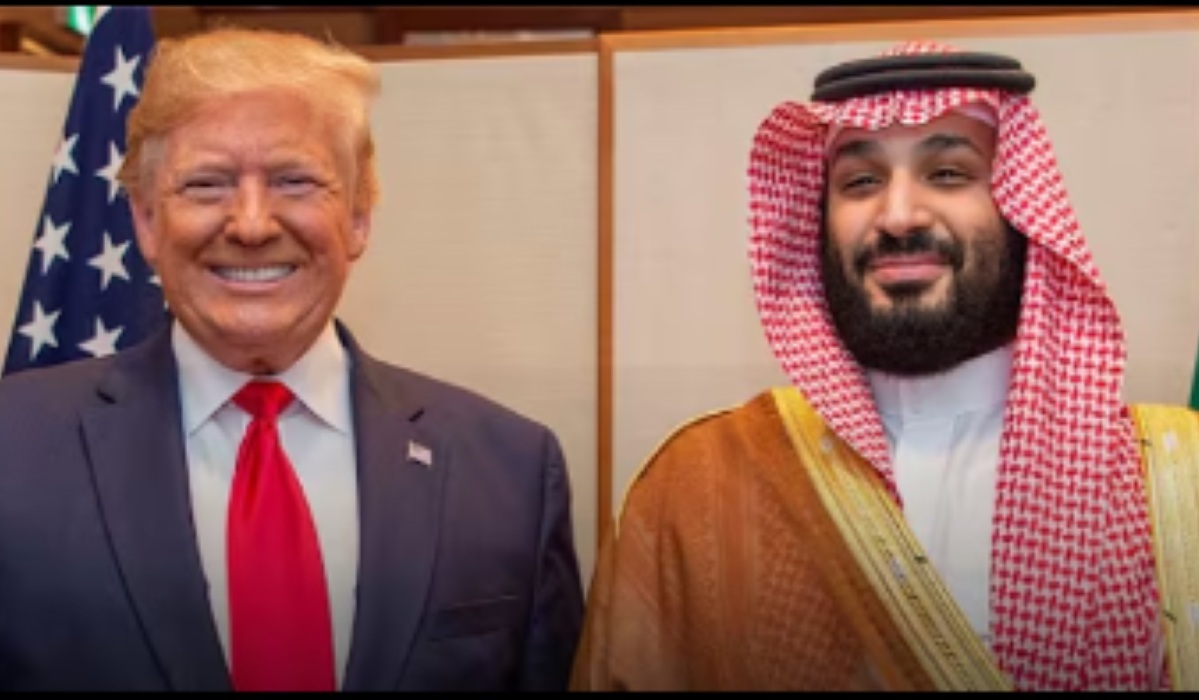
US President Donald Trump has reportedly approved a nuclear deal with Saudi Arabia that allows the kingdom to possess uranium enrichment capabilities for a civilian nuclear programme. The move has sparked widespread debate as it occurs amid US military tensions with Iran, which are focused on restricting Tehran’s nuclear activities.
Trump is expected to announce the plan soon and seek approval from the US Congress. The projected 30-year deal will involve American companies, including Westinghouse, in the programme’s development. Furthermore, the agreement opens up opportunities for the construction of uranium enrichment facilities in Saudi Arabia following a joint study between the two countries.
The timing of the announcement is considered controversial because the US is currently engaged in efforts to prevent Iran from conducting domestic uranium enrichment to ensure Tehran cannot build nuclear weapons. Critics argue that granting enrichment rights to Riyadh creates a double standard that will provoke Iran’s anger.
Rosemary Kelanic, Middle East Programme Director at Defense Priorities, called the decision reckless. "Giving Saudi Arabia uranium enrichment technology is a bad idea on many levels. It is utterly nonsensical to do this in the middle of a war over Iran’s nuclear programme," she wrote in a social media post. She warned that this step could pressure Iran to immediately arm itself with a nuclear bomb.
The deal will most likely not include the International Atomic Energy Agency’s (IAEA) Additional Protocol, which provides strict monitoring access, as was previously applied to Iran in the 2015 nuclear deal. This is predicted to face significant challenges in the US Congress through the 123 Agreement review process.
A number of lawmakers are expected to oppose the plan due to the lack of oversight guarantees to limit Saudi Arabia’s use of uranium enrichment. Previously, the Biden administration had attempted to condition access to this technology on the normalisation of relations between Saudi Arabia and Israel, but Riyadh continued to reject the terms.
Proponents of the deal argue that the move demonstrates US recognition of Saudi Arabia’s maturity in diversifying its energy mix away from oil. In a report to Congress earlier this year, the US government urged support for the deal to prevent strategic competitors from seizing opportunities in the global nuclear energy market.
The US government argued that this cooperation is essential to re-establish American leadership in the global civilian nuclear energy market and to expand influence in countries hosting US-built reactors. The framework is claimed to lay the legal foundation for a multibillion-dollar nuclear energy partnership lasting several decades.