
Trump Proposes New 10% Import Tariffs for 60 Countries
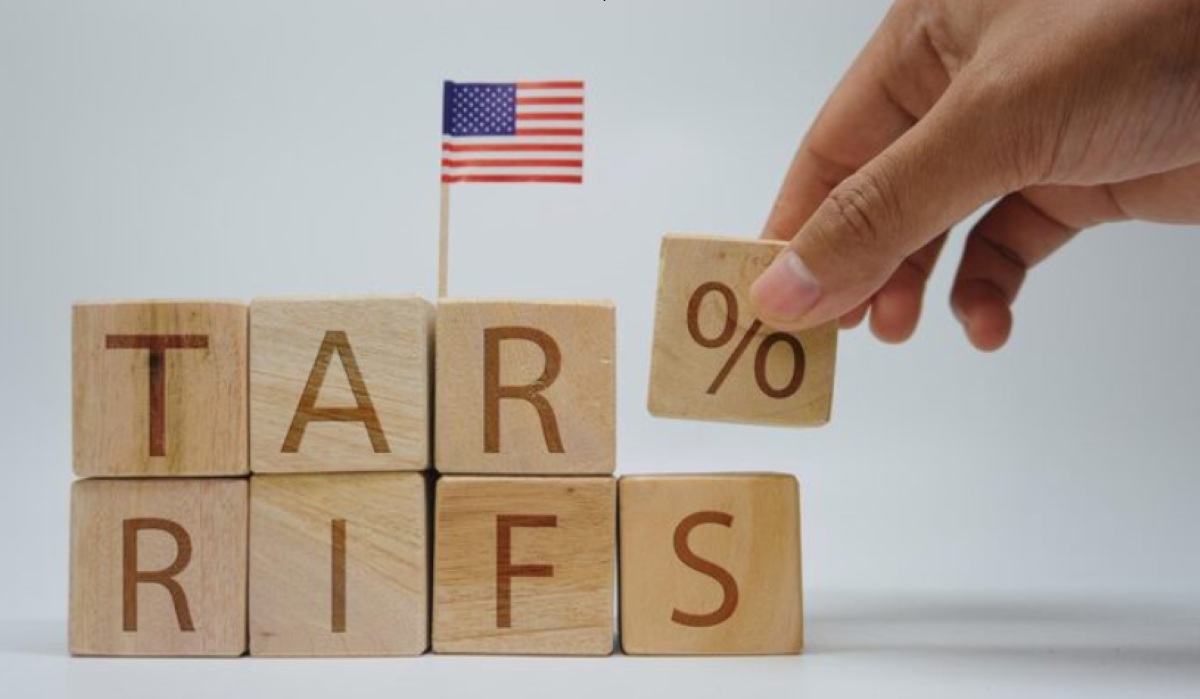
US President Donald Trump has reinforced his protectionist stance by proposing new import tariffs of at least 10% on 60 major trading partners. This move represents Trump’s most significant effort to rebuild economic protectionist barriers after previous policies were overturned by the Supreme Court.
According to an official statement from the Office of the United States Trade Representative (USTR) on Tuesday night local time, a 10% tariff will be imposed on imports from Canada, Mexico, the European Union, Taiwan, and the United Kingdom. Meanwhile, other major economies, including China, India, Japan, South Korea, Brazil, and Switzerland, will face higher tariffs of 12.5%.
The USTR stated that these tariff discrepancies are based on investigations into the handling of goods suspected of being produced using forced labour. Lower tariffs are granted to nations with strict prohibitions against forced labour products, while higher tariffs are applied to those deemed to have failed in enforcing such regulations.
“This creates a dynamic where American workers are forced to compete on an unequal global playing field,” said US Trade Representative Jamieson Greer, asserting that the US will no longer tolerate such disparities.
At least 34 types of goods are under scrutiny, including cotton for clothing, critical minerals for solar products, fish, and palm oil. The policy utilises the legal authority of Section 301 of the Trade Act of 1974, which is considered more legally robust than previous emergency measures.
The move has triggered sharp reactions worldwide. The European Union has described the policy as unfair, while Beijing has denied allegations of forced labour and criticised Trump’s actions. Australia stated that any tariffs on their exports are inconsistent with existing free trade agreements.
In financial markets, the announcement has added uncertainty amidst tensions in the conflict with Iran and high energy prices. Shares of European automakers, such as Volkswagen AG and Mercedes-Benz Group AG, reportedly declined due to fears of export barriers to the US market.
Although announced, these tariffs will not take effect immediately. The US government has opened a public comment period until 6 July, followed by public hearings on 7 July, allowing for potential amendments before the rules are officially codified.
Trade analyst from the Hinrich Foundation, Deborah Elms, noted that this move opens the door for broader tariff and non-tariff adjustments in the future. The policy is also predicted to complicate global supply chains and increase operational costs for international businesses in their trade transactions.