
Trump Proposes Additional Import Tariffs for Indonesia; Government Responds
The Office of the United States Trade Representative (USTR) has proposed additional tariffs of up to 12.5% on imports from 60 countries, citing a failure to prohibit goods produced through forced labour schemes. Affected nations include China, the European Union, Japan, and Indonesia.
Based on Section 301 of the Trade Act of 1974, the decision follows findings that these 60 nations have failed to implement or effectively enforce import bans related to forced labour, creating what the USTR describes as ‘unfair competition’ for American workers. The USTR has proposed a 10% import duty for countries that have implemented full or partial bans on forced labour trade, and a 12.5% rate for all other nations. Indonesia faces the risk of an additional 10% tariff.
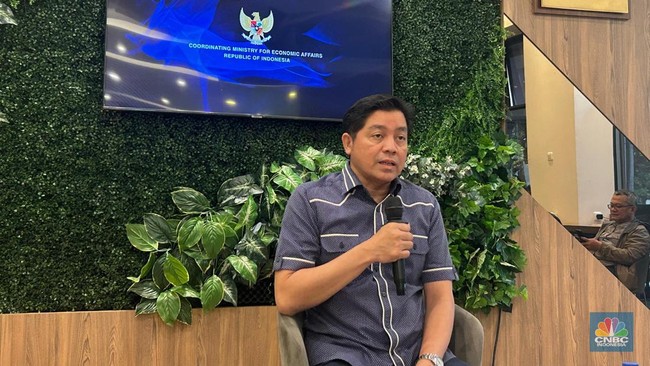
Haryo Limanseto, Spokesperson for the Coordinating Ministry for Economic Affairs, confirmed that the Indonesian government is closely monitoring the USTR announcement regarding the interim investigation results under Section 301 of the Trade Act of 1974. He emphasised that Indonesia remains committed to respecting human rights, protecting labour, and implementing labour principles in line with international standards.
“In response to the USTR announcement released on 2 June 2026, the Indonesian Government will proceed with the steps prepared by the USTR, including subsequent sessions for written comments and public hearings,” Haryostated in an official statement on Thursday.
Haryo added that as the discussion process is ongoing, the Indonesian Government will continue to communicate constructively with the United States Government. Furthermore, the government will strengthen the implementation of import regulations to ensure that imported goods are not produced using forced labour practices.
This announcement comes as the temporary 10% tariffs imposed by the Trump administration approach their end, coinciding with a court ruling that cancelled certain Trump tariffs under the International Emergency Economic Powers Act.
On Monday, the USTR also proposed a 25% import duty on many Brazilian goods following a Section 301 investigation into digital trade practices and preferential tariffs. Moving forward, the USTR is also expected to reveal findings from another major Section 301 investigation regarding industrial overcapacity involving 16 trading partners, including China.
Regarding the forced labour findings, the USTR stated it would exclude certain products from the tariffs, including energy, rare earth metals, specific other metals, beef, coffee, certain fruits and vegetables, pharmaceuticals, organic chemicals, and aircraft parts. The USTR will accept public comments on the proposed tariffs and remedial efforts until 4 July, with a public hearing scheduled for 7 July.