
Trump Pressures Pakistan, Demands Normalisation of Relations with Israel
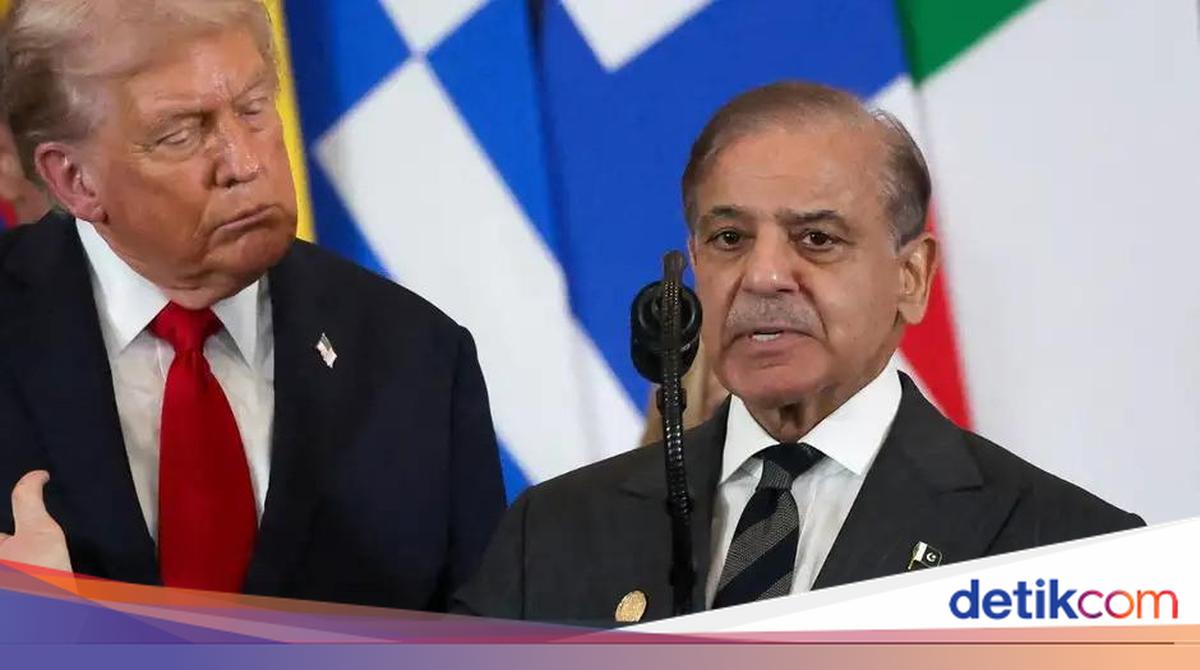
Pakistan finds itself in a difficult position after US President Donald Trump demanded Islamabad sign the Abraham Accords to normalise relations with Israel. The demand is part of a potential agreement to end the Iran conflict. On Monday (25 May), Trump stated that any deal to end the Iran conflict must see countries like Saudi Arabia, Pakistan, and Qatar join the Abraham Accords, which he mediated during his first term in 2020. ‘After all the efforts made by the United States to piece together this extremely complex puzzle, it should be mandatory for all these countries to sign the Abraham Accords at least simultaneously,’ Trump wrote in a social media post. ‘The countries in question are Saudi Arabia, United Arab Emirates (already a member), Qatar, Pakistan, Turkey, Egypt, Jordan, and Bahrain (already a member).’ Trump stressed that Saudi Arabia and Qatar must sign the agreement immediately, ‘and all others must follow.’ The Abraham Accords are a series of bilateral agreements mediated by the US to normalise relations between Israel and Arab and Muslim nations. The first agreements were signed on 15 September 2020 between Israel and the UAE, and Israel and Bahrain. Several Pakistani officials have rejected Trump’s demands, but so far, there has been no strong response from the Islamabad government or the influential military. Pakistan has played a crucial role as a mediator to end the US-Israel conflict with Iran. In April, Islamabad successfully persuaded the US to halt attacks on Iran that began on 28 February. Pakistan continues to mediate for a permanent resolution. Trump has praised Pakistan’s mediation role, referring to military chief Asim Munir and Prime Minister Shehbaz Sharif as his ‘favourites.’ Islamabad currently enjoys heightened global status due to its closeness to Trump. However, joining the Abraham Accords would be far more difficult for the South Asian nation than mediating the Iran conflict. ‘The benefits [of joining the Abraham Accords] are real but often politically overstated. Pakistan could gain diplomatic goodwill in Washington and Gulf capitals, along with potential economic or technological opportunities,’ said political analyst Raza Rumi to DW. However, Rumi stressed the move carries significant risks for Pakistan. ‘It could damage Pakistan’s stance on Palestine, worsen tensions with Iran, and increase domestic instability,’ he said. Islamabad does not recognise Israel and has no diplomatic relations with it, though some unofficial interactions have been reported in the past. ‘Without meaningful progress towards a Palestinian state, normalisation would appear not as strategic autonomy but as capitulation. For now, the political costs likely outweigh the benefits,’ Rumi said. Saudi Arabia’s decision will be key. Pakistan’s decision to join the Abraham Accords will ultimately depend on Saudi Arabia’s move. Islamabad and Riyadh share close diplomatic, economic, and security ties, with Saudi Arabia—custodian of Islam’s two holy cities—highly respected by most Pakistanis. ‘If Saudi Arabia moves first, talks would be easier for Pakistan, but still not easy,’ Rumi said. ‘Islamabad could use Riyadh’s decision as political cover, especially as Pakistan often aligns its Middle East policy with Saudi and Gulf states’ positions.’ However, the analyst maintained the move would be complicated for Pakistan. ‘Pakistan is not an Arab monarchy; its domestic politics, religious parties, media ecosystem, and public attachment to Palestine make normalisation far more complex. If Riyadh moves first, it might open the door, but not automatically allow Islamabad to walk through,’ he said. Analysts believe that even if Trump allies like Saudi Arabia and Pakistan move towards normalising ties with Israel, it would not happen overnight and would be conditional. Maleeha Lodhi, an international relations expert and former Pakistani ambassador to the US and UN, told DW that Islamabad could only consider it ‘if an independent and contiguous Palestinian state is established with Jerusalem as its capital.’ ‘That is a firm position, and Pakistan’s decision will not be based on what others do,’ she added. On 6 December 2017, Trump officially recognised Jerusalem as Israel’s capital and announced the US embassy would move from Tel Aviv to Jerusalem. No easy way out. Defying Trump could have consequences for Islamabad. Pakistan has deep economic and military ties with the US, which helps maintain geopolitical balance with regional rival India. The US remains Pakistan’s largest export destination, crucial for generating foreign exchange for its struggling economy. Islamabad also recognises Washington’s significant influence over global financial institutions like the IMF. The Iran conflict has disrupted Pakistan’s energy supplies, with fuel prices surging since the conflict began. For Pakistan, the war must end quickly. However, Trump’s Abraham Accords demands linked to the Iran conflict have left the country in a difficult position with no easy exit. Pakistani authorities are aware that ‘backlash would be severe,’ according to analyst Rumi. Religious parties, groups
Source: jawawa.id (https://jawawa.id/newsitem/trump-pressures-pakistan-demands-normalisation-of-relations-with-israel-1780080195)
Originally published by detikcom (https://news.detik.com/dw/d-8509504/trump-tekan-pakistan-desak-normalisasi-hubungan-dengan-israel), translated from Indonesian