
Trump Predicts: Iran War to End Following US November Elections
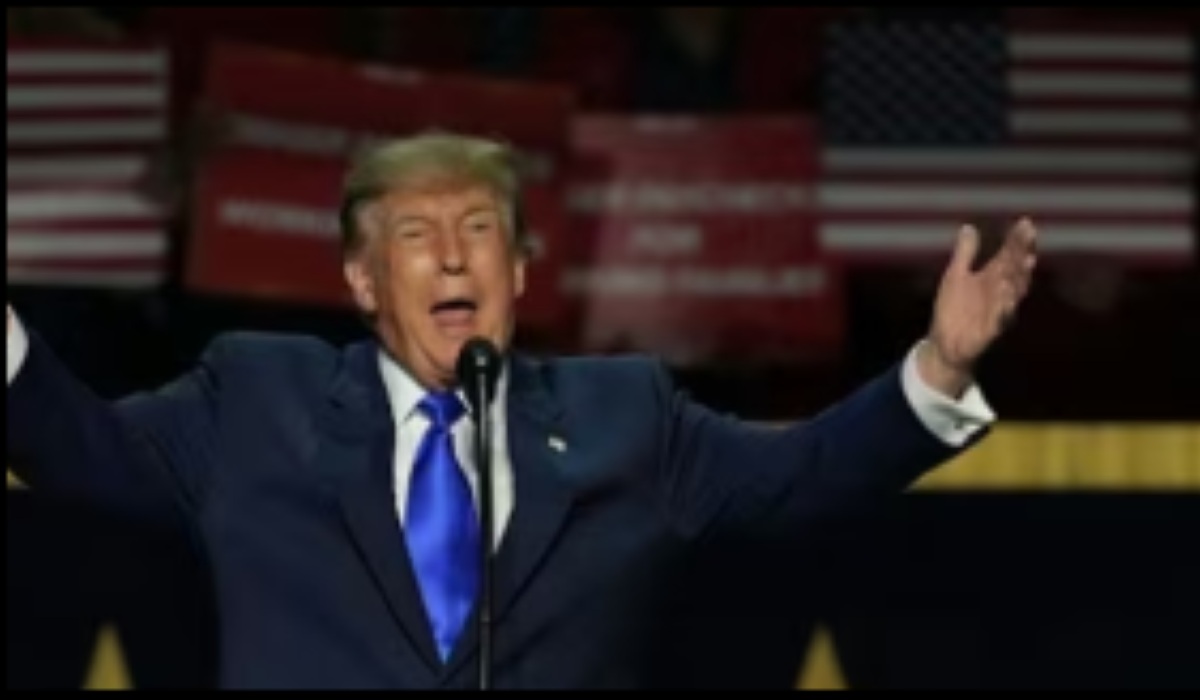
The war against Iran is predicted to end after the United States Congressional mid-term elections this coming November. This statement was made by Donald Trump during his campaign this week, and given the current situation on the ground, the claim appears to have a strong basis.
The US Navy is currently conducting a total blockade of all Iranian ports. This severe measure has one simple objective: to prevent the Tehran regime from exporting any oil at all. Revenue from oil exports via sea routes, which averaged 1.7 million barrels per day last year, serves as the primary lifeline for Iran’s leadership. Without this influx of funds, there are fears the regime will be unable to pay its security forces, which could ultimately threaten the survival of the government.
Trump is now deploying the full strength of the US Navy to push Iran to a point of desperation. This policy goes beyond mere economic sanctions, which Iran has long attempted to evade with Chinese assistance. By physically closing the ports, the US is effectively halting the outflow of Iranian oil.
While strategically effective, this policy carries dire humanitarian consequences for Iran’s 90 million residents. This is why previous US presidents were reluctant to take such extreme measures. However, from a tactical perspective, the Iranian regime is believed to be unable to withstand prolonged economic asphyxiation.
According to data from the global trade intelligence firm Kpler, when the blockade was implemented on 14 July, approximately 90 million barrels of Iranian oil were already at sea. These vessels were largely heading to China, ensuring payments were still flowing to Tehran. However, Kpler noted that the amount of Iranian oil at sea has now shrunk drastically to around 29 million barrels. If the blockade is maintained, this figure is predicted to reach zero by next month, meaning Iranian oil sales will run out before the 3 November election. The regime’s financial reserves are expected to dry up completely by December.
The Iranian regime has not remained passive in the face of this pressure. Last Saturday, the Islamic Revolutionary Guard Corps (IRGC) fired missiles at US aircraft carriers and destroyers in the Gulf. The US responded by sinking three Iranian tankers after allowing the crews to escape.
Tensions continued on Monday and Tuesday when Iran again targeted US warships, prompting the US to sink an additional five tankers. Iran also launched ballistic missiles at a military base in Jordan where US troops are stationed. However, this escalation has yet to break the ongoing oil blockade.
On the other hand, other Gulf nations are beginning to successfully export their oil through the Strait of Hormuz thanks to US naval operations designed to restore freedom of navigation. Although the volume of oil passing through remains below the pre-war level of 20 million barrels per day, Lloyd’s List Intelligence data shows an average of a dozen ships crossing the strait daily between 26 August and 1 September.
Currently, the United States has managed to reverse the situation seen during the early stages of the war, when Iran was able to export its own oil while blocking routes for others. The final outcome of the conflict will depend heavily on Trump’s resolve to maintain the blockade and how long Iran can withstand the economic pressure.
Furthermore, the UN nuclear watchdog has reported a surge in activity at the Pickaxe Mountain nuclear site in Iran, triggering threats of military strikes from Donald Trump. US Navy officials have also acknowledged that a base in Bahrain sustained heavy damage due to Iranian attacks, and missile strikes also hit an airbase in Jordan.
As a result of the Middle East conflict, Brent oil prices have surged to US$105, triggering a rise in US bond yields and a fall in global stock markets. HSBC projects that the global oil market will remain imbalanced until 2027 due to the conflict, with Brent prices potentially breaching US$120 per barrel.
Source: jawawa.id (https://jawawa.id/newsitem/trump-predicts-iran-war-to-end-following-us-november-elections-1789134703)
Originally published by Media Indonesia (https://mediaindonesia.com/internasional/932417/prediksi-trump-perang-iran-berakhir-usai-pemilu-as-november), translated from Indonesian