
Trump Instructs US to Prepare to Extend Blockade on Iranian Ports
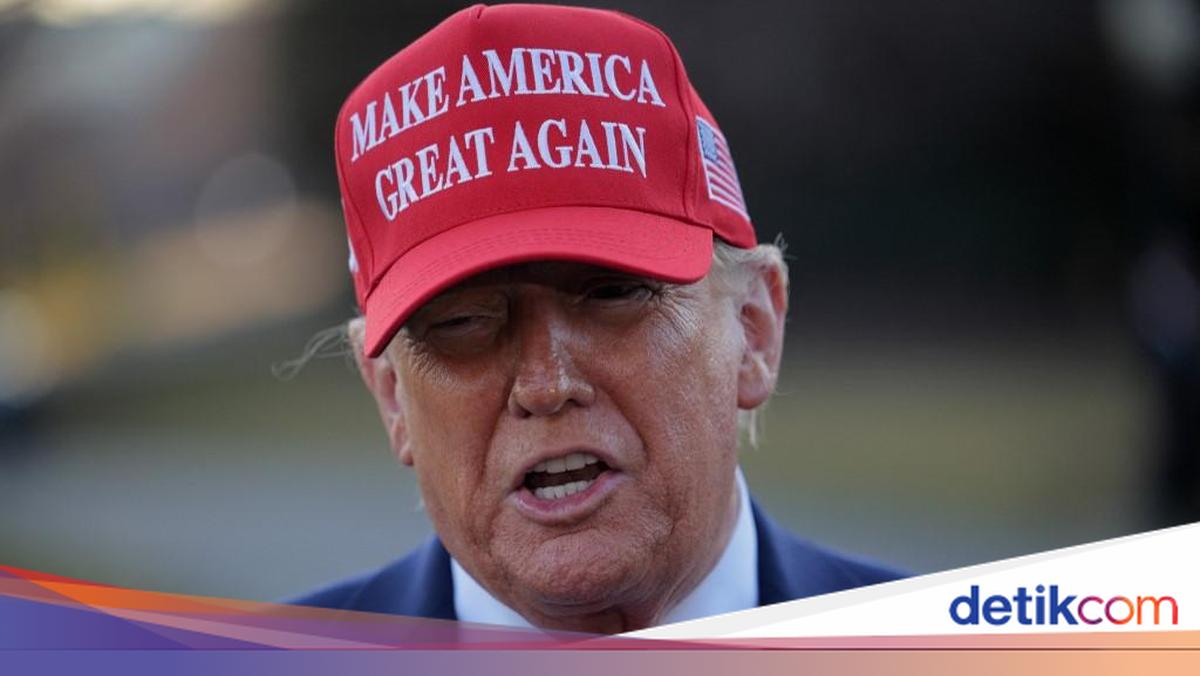
US President Donald Trump has reportedly instructed his advisors to prepare to extend the naval blockade on Iranian ports. The US blockade, imposed since mid-April, aims to pressure Tehran into opening the Strait of Hormuz.
The report, as cited by Al Arabiya and Anadolu Agency on Wednesday (29/4/2026), was delivered by leading US media outlet the Wall Street Journal (WSJ), quoting several unnamed US officials.
The call to extend the naval blockade comes amid a lack of diplomatic breakthroughs in the conflict with Iran and the inability to reach a joint agreement on the future of Tehran’s nuclear programme.
In recent meetings, including discussions in the White House Situation Room earlier this week, Trump, according to the WSJ report, “chose to continue pressuring Iran’s economy and oil exports by preventing shipments to and from its ports”.
“He (Trump) assessed that other options – resuming bombings or abandoning the conflict – posed greater risks than maintaining the blockade,” the US officials quoted by the WSJ stated in their report on Tuesday (28/4).
Earlier this month, Trump halted bombing operations launched jointly with Israel since late February, in an attempt to negotiate a deal with Iran. However, these efforts have so far failed because Trump insists on a deal addressing Iran’s nuclear programme.
“On Monday (27/4), Trump told his advisors that Iran’s three-step offer to reopen the Strait of Hormuz and postpone nuclear talks until the final stage proved that Tehran was not negotiating in good faith,” the WSJ reported.
The WSJ report also quoted a senior US official claiming that Washington’s naval blockade is devastating Iran’s economy – the country is struggling to store its unsold oil – and is prompting new efforts by the Tehran regime to approach Washington.
The US and Israel launched large-scale joint strikes against Iran on 28 February. Tehran retaliated with waves of missile and drone attacks on targets in Israel and Gulf countries hosting US military assets.
A ceasefire has temporarily suspended the fighting, with negotiation efforts between Washington and Tehran, mediated by Pakistan, yet to produce any agreement.
On Monday (27/4), Trump signalled that he is unlikely to accept Iran’s latest proposal to end the war. The proposal suggested reopening the Strait of Hormuz in exchange for the US lifting the naval blockade, while deferring nuclear negotiations for subsequent talks.