
Trump Insists He Will Not Lift Blockade Until Agreement Reached with Iran
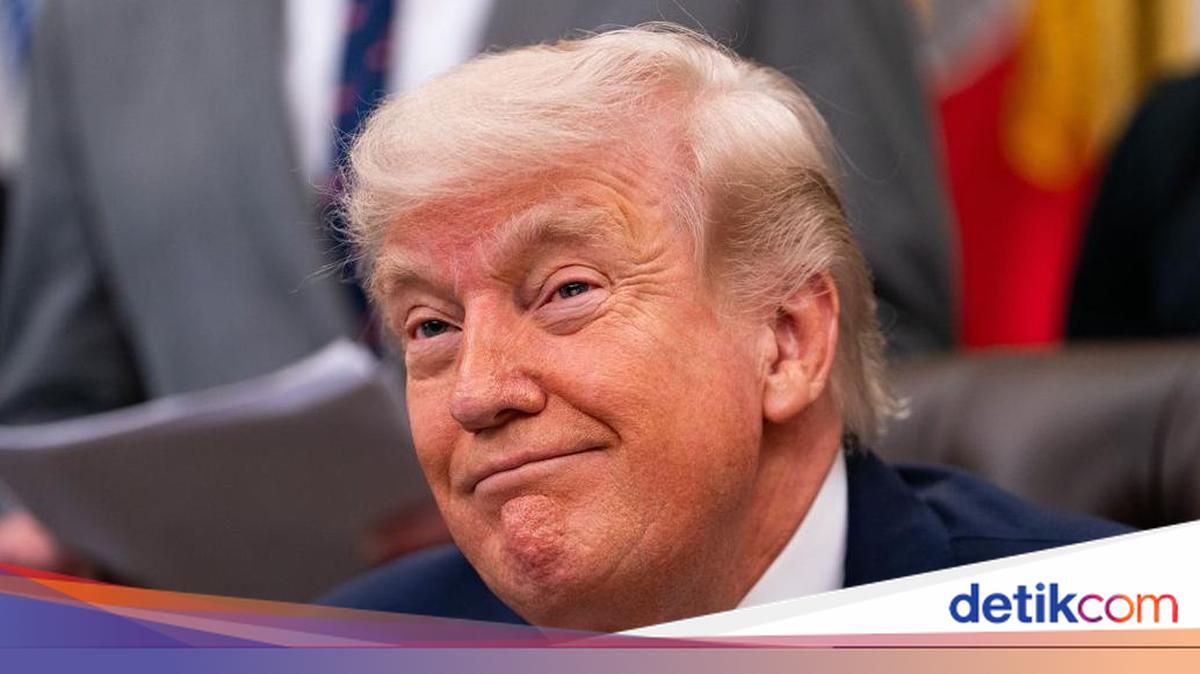
The United States will not lift the blockade on Iranian ports until an agreement is reached with Tehran, said US President Donald Trump, amid uncertainty regarding the second round of negotiations between Iran and the US to end the war.
The blockade that began a week ago is “completely destroying Iran,” Trump wrote on his social media platform, Truth Social, adding that the US is winning the conflict “by a huge margin.”
The comments come ahead of the temporary US-Iran ceasefire ending on Wednesday (22/04). So far, there is no certainty whether the second round of peace talks will proceed in Pakistan.
US President Donald Trump said his representatives will arrive in Pakistan, which has been mediating between the two sides, on Monday (20/04). The ceasefire between the US and Iran is scheduled to end on Wednesday (22/04).
A White House official told the BBC that in addition to Vance, the delegation will also include Trump’s adviser, Steve Witkoff, and Jared Kushner, Trump’s son-in-law. Both were also present in previous negotiations.
However, Iran’s state news agency, IRNA, said reports about a second round of negotiations with the US are “untrue.”
IRNA added that the US blockade, along with “excessive” demands and threatening rhetoric from Washington, has so far “hindered negotiation progress.”
Since the blockade began, US forces have directed 27 ships to turn around or return to Iranian ports, according to the US Central Command (Centcom).
The US also intercepted and seized an Iranian-flagged cargo ship for the first time in this conflict, after the vessel attempted to breach the blockade on Sunday (19/04).
“Today, an Iranian-flagged cargo ship named TOUSKA, nearly 900 feet long and weighing almost as much as an aircraft carrier, tried to break through our naval blockade, and it didn’t go well for them,” Trump wrote.
He added that the US had given fair warning for the ship to stop, but it was ignored, “so our Navy ships stopped them right there by shooting holes in the engine room.”
“TOUSKA is under US Department of the Treasury sanctions due to a history of previous illegal activities. We have full control of the ship and are checking its cargo!”
Tehran described the action as “piracy” and a violation of the fragile ceasefire between the two countries.
Iran itself has maintained its blockade of the Strait of Hormuz, a vital shipping lane, for nearly two months, causing global energy prices to soar.
On Saturday (18/04), Iran’s military re-closed the Strait of Hormuz just hours after it had been partially opened.
Iran said it would reopen the strategic global route once the US lifts the blockade on Tehran’s ports, which they call a “violation of the ceasefire.”
Iran currently says it is “reviewing” new proposals submitted by Washington.
Here is the known chronology of negotiations between the US and Iran so far:
28 February: Conflict erupts after the US and Iran launch attacks on Iran amid failed diplomatic talks.
6 March: Trump says there will be no agreement “unless unconditional surrender” from Iran.
21 March: Trump sets a deadline, threatening to strike Iran’s energy infrastructure unless the country agrees to open the Strait of Hormuz.
23 March: Trump postpones the deadline, citing “productive conversations,” followed by a series of other threat delays.
7 April: Trump threatens “a civilisation will perish” if the strait is not opened before the next deadline.
8 April: Pakistan, acting as mediator, announces a two-week ceasefire between the US and Iran to allow further talks.
11 April: A team of senior US and Iranian officials, including Vice President JD Vance and Iranian Foreign Minister Abbas Araghchi, meet in Pakistan. After 21 hours of tough negotiations, Washington and Tehran have not reached agreement on several key points.
12 April: Trump announces the blocking of Iranian ports.
17 April: Iranian Foreign Minister Abbas Araghchi says the strait will remain open for the rest of the ceasefire period. However, Trump says the US blockade on Iranian ports will continue.
18 April: Iran’s Islamic Revolutionary Guard Corps (IRGC) states it will re-block the strait. Trump says “very good talks” are ongoing, but the US cannot be “threatened” regarding the shipping lane.
Why did Iran re-close the Strait of Hormuz?
Several Tehran state media outlets reported that Iran’s military has retaken control of the Strait of Hormuz.
The Fars news agency, linked to the Islamic Revolutionary Guard Corps (IRGC), along with the Iranian Students News Agency and state broadcaster IRIB, quoted an IRGC statement saying the strait will return to its “previous condition.”
In the statement, Iran’s military accused the United States of “hijacking” and “blockade” amounting to maritime robbery.
Previously, Iran’s Parliament Speaker Mohammad Bagher Ghalibaf, who led Iran’s delegation in the latest talks with the US in Islamabad, said on X that with the “continuation of the [US] blockade,” the strait “will not remain open.”
Along with the announcement, an oil tanker in the Strait