
Trump Faces Protests Over Coal, Prices Fall After Six-Day Rally
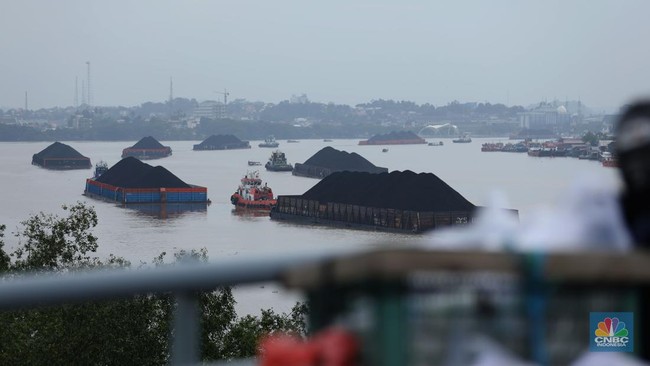
Coal prices eased after a six-day rally.
According to Refinitiv, coal prices on Monday (24/8/2026) closed at US$138.4 per tonne, down 0.65%.
This decline broke the positive trend in coal prices, which had strengthened by 4.3% over the previous six consecutive days.
The weakening of coal was caused by falling oil prices and still-weak demand.
Oil prices fell 6% over two consecutive days. Oil and coal are substitute commodities, so their prices influence each other.
The easing of coal prices was also caused by still-limited demand.
Thermal coal prices at mine mouths in China continued to strengthen even as electricity consumption began to ease. The increase was mainly supported by reduced mine production ahead of the end of the month and restocking activity by downstream buyers.
Supply was tightened because a number of mines reduced production ahead of the end of August. This condition kept thermal coal availability in China’s domestic market tight.
However, on the demand side, electricity loads began to decline after the peak summer period, so coal consumption by power plants also started to ease.
Sxcoal also reported that thermal coal prices at northern Chinese ports rose, even though end-user demand remained weak.
The price increase was mainly supported by tight cargo supply and rising costs, giving sellers room to raise prices.
In general, prices rose not because Chinese demand was strong, but because costs and tight supply kept prices from falling.
Nearly 200 activists from the ‘Make America Healthy Again’ (MAHA) movement criticised President Donald Trump for promoting the use of coal to supply electricity to AI data centres.
In a letter to Trump, Health Secretary Robert F. Kennedy Jr., and a number of cabinet officials, they asked the government to consider renewable energy such as solar and geothermal.
The MAHA group believes that data centre development could increase electricity bills, deplete water supplies, and worsen air and noise pollution.
This stance is a sign of the widening gap between Kennedy’s supporters and the Trump administration on environmental issues. On the other hand, Trump considers data centres important for winning the AI race with China as well as creating jobs and tax revenue.