
Trump Faces Backlash from His Own Party After Signing Peace MoU with Iran
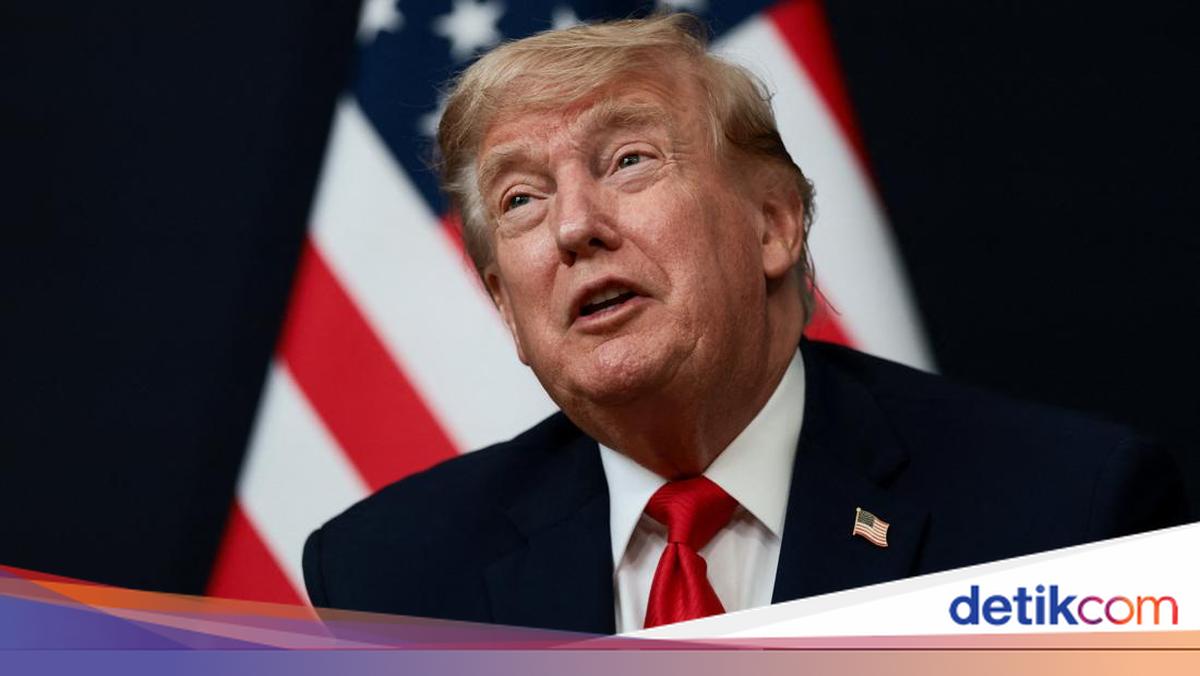
United States (US) President Donald Trump has been condemned by his own party after signing a peace Memorandum of Understanding (MoU) with Iran. The MoU was signed remotely by Trump and Iranian President Masoud Pezeshkian on Wednesday (17/6) local time. The MoU permanently ends hostilities on all fronts, including Lebanon, initiates a 60-day ceasefire, lifts the US blockade on Iran, restores commercial traffic in the Strait of Hormuz, discusses a US$300 billion reconstruction plan, and removes US sanctions. Furthermore, the MoU will allow Tehran to rejoin the global economy if it meets the commitments outlined in the agreement. Trump insisted the MoU was not a reflection of his power, but rather a step to mobilise oil supplies to avert a global depression. “The only way I could be tougher is if I went in there for another two or three weeks and kept bombing the hell out of them. Right? But what would we get? The Strait of Hormuz would not be open. We wouldn’t have oil for months. This is the kind of thing that can cause a worldwide depression,” he stated.
Trump’s decision to make peace with Iran was met negatively by his party. A number of US Republican senators warned that the deal falls far short of the major victory Trump promised and could make Tehran richer, stronger, and still capable of threatening the region. The MoU, signed by Trump in France on Wednesday (17/6), aims to end the war, reopen the vital Strait of Hormuz, and stabilise energy markets after the conflict triggered a spike in global oil prices. However, the provisions in the MoU have alarmed several Republican members. They criticised Trump for offering Iran sanctions relief, access to oil markets, and the prospect of US$300 billion in reconstruction funds, while failing to secure firm commitments on uranium enrichment, ballistic missiles, or Tehran’s support for armed proxies. Republican Senator Bill Cassidy called the deal “the worst foreign policy mistake in decades.” “Before the war, the strait was open, Iran was crushed by sanctions and 13 service members were alive,” he wrote on social media platform X. “Now, 13 Americans are dead, families have paid billions more for gas, sanctions will be lifted, and the bombing has stopped.” Roger Wicker, the influential chairman of the Senate Armed Services Committee, said the MoU was “completely inconsistent” with Trump’s goals. He condemned the lifting of sanctions and the disbursement of funds “in exchange for Iran’s agreement to negotiate for another 60 days.” “Specifically, US$300 billion for reconstruction and economic development in Iran – though not funded by US taxpayers – will make Iran’s payouts under President Obama’s 2015 deal look like pocket change by comparison,” he said in a statement, referring to the nuclear deal with Iran during the administration of US President Barack Obama. Texas Senator John Cornyn told reporters he feared the deal might only be “a pause,” allowing Iran to rebuild its arsenal and continue enriching uranium. The Democratic Party was united in opposing the deal. They argued that Trump launched a costly war only to accept an agreement that largely restores the pre-war status quo while giving Tehran new leverage. “Everyone who bought Trump’s book ‘The Art of the Deal’ should demand a refund because what Trump has done in Iran is ‘The Art of the Disaster’,” declared Senate Democratic leader Chuck Schumer in a floor speech. Trump himself defended the deal as a practical way to reopen the Strait of Hormuz, through which about a fifth of global crude oil typically passes. He said the deal is not yet final and warned that the United States could resume strikes if negotiations fail.