
Trump Demands 'Protection Money' to Control Strait of Hormuz
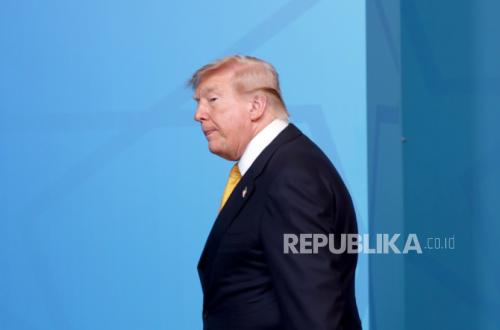
US President Donald Trump has stated that the United States will take control of the Strait of Hormuz and should receive payment for its role in managing the vital waterway. ‘We’re going to have the strait, and we’re going to be running it, probably. We’re going to be the guardians of the strait. We’re going to call it the guardian angel of the strait, and we should be paid for it,’ he said in a telephone interview with Fox News. Trump added, ‘We’re going to be paid to guard it—paid a lot. We have to be paid, because these other countries are very rich. They’re on our side, and we can’t be expected to do it for nothing.’ The countries he referred to are the Gulf kingdoms that use the Strait of Hormuz to distribute their oil, implying they are assisting the US in launching attacks on Iran.
Iran’s Armed Forces General Staff has warned the US against attempting any intervention in the Strait of Hormuz and threatened to attack parties cooperating with Washington. ‘We have not and will never allow the United States to interfere in the management of the Strait of Hormuz,’ said Ebrahim Zolfaghari, spokesman for the Khatam al-Anbiya Central Headquarters, in a statement broadcast by state broadcaster IRIB. Iranian forces will take decisive action against any form of disruption and security threats beyond the routes established by Tehran. ‘Any form of cooperation with the United States and logistical support for the aggressor country’s military will be considered an act of war against Iran’s sovereignty and national security,’ Zolfaghari said, adding that such a war could ‘engulf the entire region’.
Tensions involving tit-for-tat strikes between the US military and Iran’s Revolutionary Guards have escalated in recent days, as both sides vie for control of the Strait of Hormuz—a chokepoint through which 20 percent of oil and gas shipments passed before the outbreak of war in February. Iran launched its most massive military response yet against US forces across the Middle East on Sunday, striking military bases and logistical infrastructure in multiple countries after Washington carried out a third wave of attacks on Iranian territory. The retaliation unfolded in three successive stages and was accompanied by an announcement from the Islamic Revolutionary Guard Corps that the Strait of Hormuz had been closed to maritime traffic until the US intervention in the region ends. This escalation followed overnight American strikes targeting military facilities and communications infrastructure in southern Iran. US Central Command stated the operation hit approximately 140 targets—including missile and drone launch sites, naval assets, communication networks, and ammunition depots—calling it the third series of strikes launched against Iran within a week. Washington claims the strikes were conducted after Iran targeted a commercial vessel in the Strait of Hormuz, while Tehran insists the incident involved warning shots after the ship ignored navigational instructions.