
Trump Considers 'Palak' Tax on Wealthy Entrepreneurs, AI Windfall Could Flow to Public Coffers
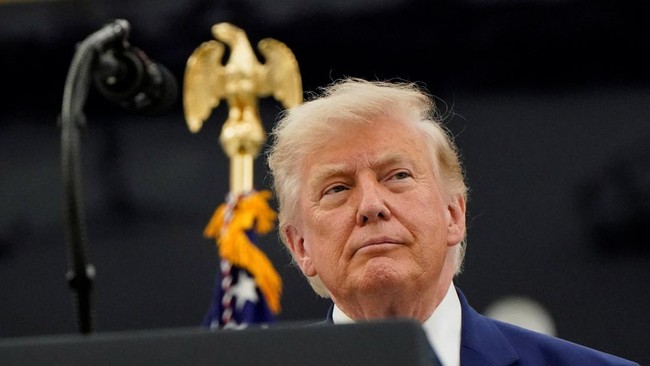
The United States (US) government under President Donald Trump is exploring various ways for the public to benefit from the enormous profits expected to be generated by the artificial intelligence (AI) industry. One option being considered is requiring AI companies to provide a portion of their ownership to the public via the government.
Various policymakers, companies, and advocacy groups have proposed schemes for AI companies to “give back” to the public. Options under discussion include placing US government representatives on the boards of directors of AI companies, imposing special taxes on the industry, and granting company shares to the government in return for federal funding support.
If the government were to acquire equity stakes in AI companies, the impact could significantly alter the structure of US state revenue. This comes as two leading AI firms, OpenAI and Anthropic, have reportedly filed confidential documents this month for initial public offerings (IPOs) in the US. OpenAI is said to be targeting a valuation of up to USD 1 trillion.
To date, Anthropic, Google, and OpenAI have not commented on the possibility of the government taking an ownership stake in the AI sector.
One proposal came from US Senator Bernie Sanders. The independent politician from Vermont, who caucuses with the Democratic Party, suggested using the tax system to capture a portion of the wealth generated by AI. In his proposal, large AI companies would be required to give 50% of their ownership to the government and provide a seat for a government representative on their board of directors. “The American people should be able to stop the bad things and benefit from the financial gains of AI,” Sanders was quoted as saying by Reuters on Tuesday (23/6/2026).
This idea aligns with a proposal from two law professors who want companies to pay taxes using shares instead of cash. This approach would allow government ownership to accumulate gradually without requiring direct public investment. Jeremy Bearer-Friend, a law professor at George Washington University, explained that this method would not make the government a controlling shareholder.
Beyond government equity stakes, other ideas involve directly distributing AI profits to citizens. OpenAI previously proposed in April the creation of a “public wealth fund” that would invest in AI companies and distribute the returns to citizens. Anthropic is also reportedly exploring the concept of a “digital dividend”, a payment to US citizens funded by tax revenues from the AI industry.
Source: jawawa.id (https://jawawa.id/newsitem/trump-considers-palak-tax-on-wealthy-entrepreneurs-ai-windfall-could-flow-to-public-coffers-1782219173)
Originally published by CNBC Indonesia (https://www.cnbcindonesia.com/tech/20260623132146-37-745023/trump-palak-pengusaha-kaya-uangnya-mengalir-ke-sini), translated from Indonesian