
Trump Confident US and Iran Deal Imminent, Strait of Hormuz to Open Without Tariffs
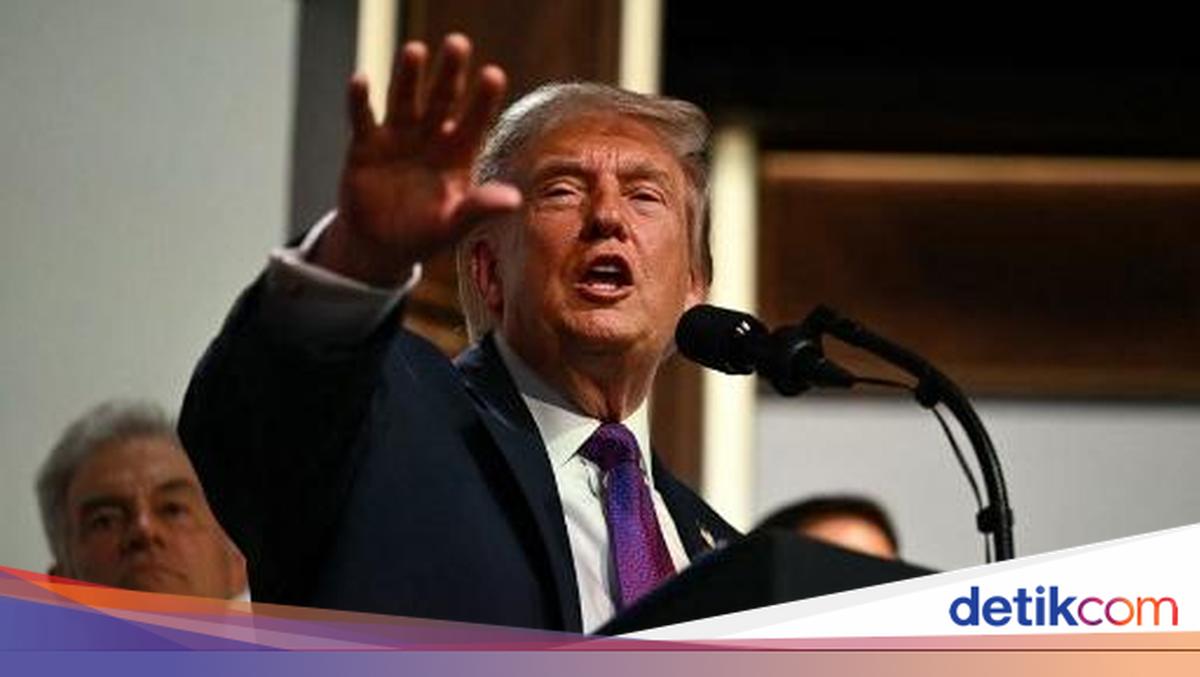
US President Donald Trump has expressed confidence that an agreement between the United States and Iran will be reached soon. One of the key provisions in the proposed deal is the opening of the Strait of Hormuz without any tariffs from Iran.
According to CNN and Axios on Sunday, 24 May 2026, Trump stated that the agreement with Iran has been largely negotiated. He said the draft agreement is awaiting finalisation from the US, Iran, and several other nations.
“An agreement has been largely negotiated, and is still awaiting finalisation between the United States, the Islamic Republic of Iran, and various other nations,” Trump wrote on Truth Social.
Trump said he has communicated with Saudi Arabia’s Crown Prince Mohammed bin Salman (MBS) and Jordan’s King Abdullah regarding the agreement. He stated that the deal will be announced soon.
“In addition to many other elements of the Agreement, the Strait of Hormuz will be opened,” Trump wrote.
Meanwhile, Axios reported several provisions of the agreement. According to sources from US officials, the near-finalised agreement includes a 60-day ceasefire extension, the reopening of the Strait of Hormuz, Iran’s freedom to sell oil freely, and negotiations to limit Iran’s nuclear programme.
This agreement would prevent further escalation of conflict and reduce pressure on global oil supplies. However, it remains unclear whether this agreement will result in a lasting peace accord.
Trump and the mediators have indicated that the agreement could be announced today, although it is not yet final and could still fail. The US official provided a detailed outline of the draft, which has largely been verified by other sources close to the talks.
These details have not been confirmed by Iran, although Tehran has also indicated that an agreement is nearly within reach. Both sides are said to be set to sign a memorandum of understanding (MoU) valid for 60 days and renewable with mutual consent.
During the 60-day period, the Strait of Hormuz will be opened without toll charges and Iran will agree to clear mines that have been laid in the strait to allow vessels to pass freely.
In return, the US will lift its blockade on Iranian ports and issue some sanctions exemptions to allow Iran to sell oil freely. The US official acknowledged that this would be beneficial to Iran’s economy, but stated that it would also provide significant relief to the global oil market.
The US official said that the faster Iran clears the mines and allows shipping to resume operations, the faster the blockade will be lifted. The official stated that the core principle of Trump’s approach to the agreement is “aid for performance”.
Iran wants frozen funds to be released immediately and permanent sanctions lifted, but the US side stated that this will only happen after genuine concessions are made. Meanwhile, nuclear matters will be negotiated further.
According to two sources aware of the matter, Iran has given oral commitments to the US through mediators regarding the scope of concessions they are willing to provide regarding the suspension of enrichment and the surrender of nuclear materials. The US will agree to negotiate regarding the lifting of sanctions and the release of Iran’s frozen funds during the 60-day period, although these measures will only be implemented as part of a final agreement.
US forces mobilised in recent months will remain in the region during the 60-day period and will only be withdrawn if a final agreement is reached. The draft is also reported to clarify that the war between Israel and Hizbullah in Lebanon will end.
Israeli Prime Minister Benjamin Netanyahu reportedly expressed concerns about these conditions during a telephone call with Trump. The US official stated that this is not a “unilateral ceasefire” and if Hizbullah attempts to rearm or trigger attacks, Israel will be allowed to take action to prevent it.
The war in Iran began with US and Israeli military operations on 28 February 2026. As of 20 May, based on Al-Jazeera data, the war has killed 3,468 people in Iran and caused more than 26,500 injuries.
Iran has also launched retaliatory attacks against Israel and various US facilities in Gulf nations. The war has angered Iran and led to the closure of the Strait of Hormuz, which has caused global oil prices to surge.