
Trump Claims US No Longer Needs Middle East Oil, But Global Prices Still Pressuring
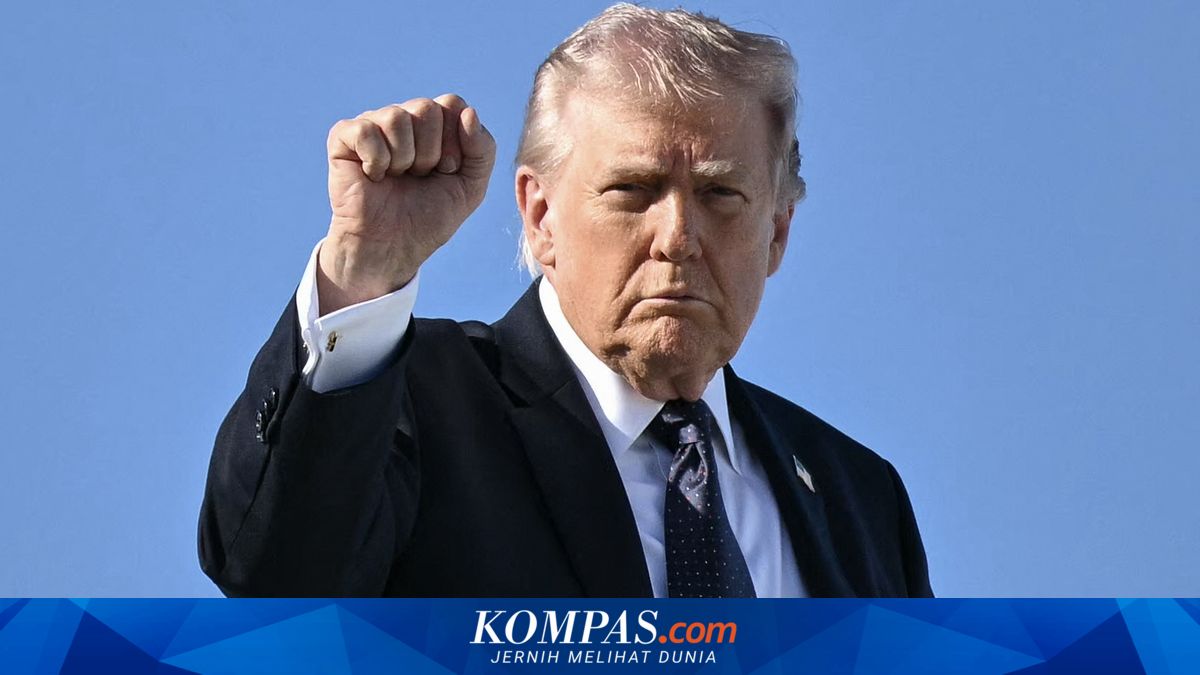
US President Donald Trump has emphasised that his country no longer relies on oil from the Middle East, amid rising conflicts with Iran. In a speech to the public on Wednesday (1 April 2026), Trump stated that America is now “completely independent from the Middle East” and does not need oil or other resources from the region. “We don’t have to be there, we don’t need their oil, we don’t need anything they have,” Trump said, quoted from Yahoo Finance. This statement aligns with Trump’s plans to pull the United States out of conflicts in the coming weeks. However, the claim is seen as overlooking the reality of the interconnected global energy market. Around 20 per cent of the world’s oil supply passes through the Strait of Hormuz, a narrow chokepoint that is crucial for global energy distribution. Disruptions in this area could potentially drive widespread increases in oil prices, including in the United States. Analyst from the Institute for Energy Economics and Financial Analysis, Clark Williams-Derry, stated that net exporter status “has almost no impact on the prices paid by consumers at the pump.” Data from the American Automobile Association shows that petrol prices in the US are now averaging $4.08 per US gallon, up more than $1 since the conflict began. Global dependence is not limited to oil. Several other important commodities from the Middle East also play a crucial role in the world supply chain. A report from the United Nations Conference on Trade and Development highlights that disruptions in the Strait of Hormuz could hinder the distribution of fertilisers and essential chemicals needed for the planting season. Simultaneous rises in energy, fertiliser, and transportation costs could potentially drive up global food prices and increase cost-of-living pressures, particularly for vulnerable groups. Additionally, helium produced in large quantities in the Middle East region is also an important component in the technology industry, particularly semiconductors. Qatar is the world’s second-largest helium producer. This situation shows that even though it no longer directly depends on oil imports from the Middle East, the US economy remains closely linked to global dynamics. Disruptions in energy and commodity supplies from the region still impact fuel prices, food costs, and living expenses for the population.