
Trump Claims Iran Deal, but Tehran Says US Withdrew
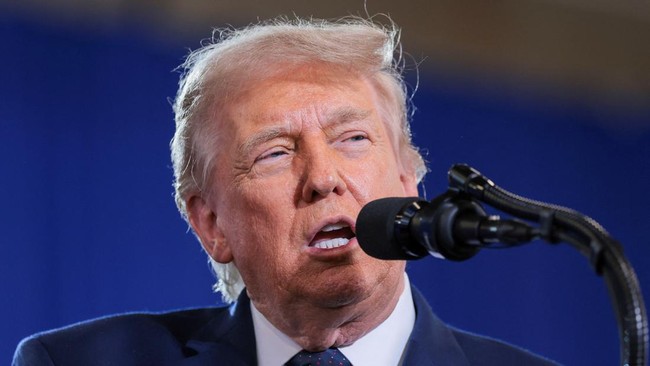
The international community was jolted by a whirlwind of contradictory diplomatic claims on Thursday, as military tensions in the Middle East appeared to pivot dramatically. United States President Donald Trump unexpectedly declared from the Oval Office that Washington had reached a major peace deal with Iran to end the armed conflict. However, Tehran immediately pushed back, asserting that the United States had in fact withdrawn from the draft agreement, triggering confusion and volatility in global financial and energy markets.
The confrontation, which has been escalating since late February, seemed to enter a critical phase as both sides sought to leverage their positions at the negotiating table. While hopes for peace briefly surged following the cancellation of scheduled US air strikes, the situation on the ground remains shrouded in uncertainty due to Iran’s open rejection of the draft text.
Trump stated that discussions with the Islamic Republic had been elevated to the highest levels of Iranian leadership and approved, leading him to call off the planned bombardment. Behind the scenes, the tentative deal was reportedly brokered after marathon negotiations in Tehran between Qatari mediator Ali Al-Thawadi and Iranian Foreign Minister Abbas Araghchi. The mediators, including Pakistan, proposed naming the final document the Islamabad Agreement. The sudden announcement reportedly blindsided Israeli Prime Minister Benjamin Netanyahu, who was kept in the dark and scrambled to contact Trump allies for information.
Under the proposed memorandum of understanding (MOU), Iran would commit to never producing nuclear weapons and resolving uranium enrichment impasses, with Trump agreeing to the down-blending of high-grade uranium inside Iran under strict UN inspections. The MOU also demanded the immediate reopening of the Strait of Hormuz for commercial shipping without fees, aiming to restore pre-war shipping volumes within 30 days in exchange for the US lifting its naval blockade. Once the strait is reopened, Iran is promised temporary sanctions waivers allowing crude oil sales for 60 days to generate emergency revenue, with further relief contingent on compliance.
A major sticking point remains the fate of billions of dollars in frozen Iranian funds held abroad. Tehran insists a portion must be released upon signing the initial draft, while Washington maintains the money will only be released in tranches based on verified adherence to the agreement’s terms.