
Trump Claims Iran Agrees to Nuclear Weapons Ban in New Peace Proposal
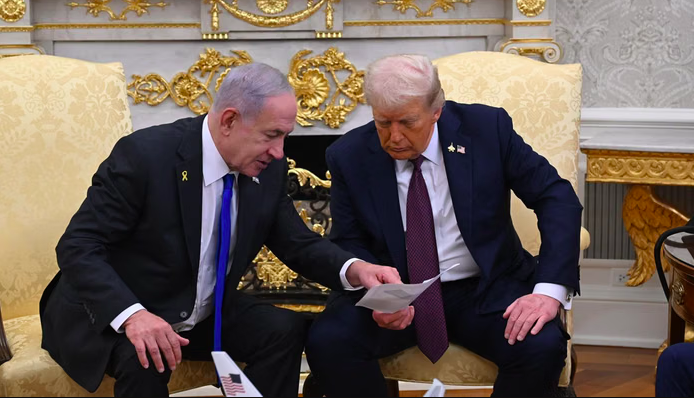
US President Donald Trump claims Iran has agreed to a ban on nuclear weapons development as part of a new peace proposal submitted by Washington to Tehran. Trump made the statement amid US media reports that his administration has sent a new framework with stricter terms to end Middle East conflicts and reopen shipping lanes in the Strait of Hormuz. According to The New York Times and Axios, the latest proposal includes stricter conditions than previous drafts, though details of the changes have not been made public. ‘The one guarantee I must have is no nuclear weapons. They have agreed to it, and it’s very interesting,’ Trump said in an interview with Fox News’s Lara Trump. However, Tehran doubts the claim. Iranian media reported that the government demands the release of $12 billion (£9.5bn) in frozen assets before entering main nuclear programme talks. Iranian media also dismissed Trump’s assertion that enriched uranium would be destroyed as baseless. Tehran also pushed for Lebanon to be included in the ceasefire agreement. Meanwhile, Lebanese Prime Minister Nawaf Salam accused Israel of implementing a ‘scorched earth and collective punishment’ policy amid ongoing military operations. Salam called for an ‘immediate and real ceasefire’ following Israeli airstrikes and troop movements in Lebanon. Amid these developments, Trump indicated that military options remain open if negotiations fail to deliver Washington’s desired outcome. ‘I’m not in a hurry. Slowly but surely we’re getting what we want, I think, and if we don’t get what we want, we’ll end it differently,’ he said. US Defence Secretary Pete Hegseth made similar remarks at a defence forum in Asia, stating Washington was ‘more than capable’ of returning to war if necessary. Despite a temporary ceasefire in April easing tensions in the Gulf, armed clashes continue. Iranian state broadcaster IRIB reported that the Revolutionary Guard shot down a US military drone allegedly attempting to enter Iranian territorial waters for hostile operations. The US has not confirmed the report. Earlier this week, fighting was reported after US forces attacked Bandar Abbas port, which Iran then retaliated against. Meanwhile, diplomatic efforts continue amid pressure on Trump to reach an agreement ending the Strait of Hormuz blockade. On social media, Trump claimed Tehran would ‘not charge tolls’ for ships passing once shipping lanes reopen. However, Fars News cited sources stating ‘there is no such clause in the treaty text’. ISNA News quoted Iranian MP Alireza Salimi saying a bill to ‘implement Iran’s management and sovereignty over the Strait of Hormuz’ would soon be approved by parliament. In Lebanon, the Israeli military continues to expand its ground operations. Prime Minister Benjamin Netanyahu stated Israeli forces have moved over 30 kilometres into Lebanese territory. The Israeli military confirmed its troops have crossed the Litani River and expanded operations against Hezbollah in the Beaufort Ridge and Wadi al Saluki areas. The Israel-Hezbollah ceasefire, which began on 17 April, has not fully held as both sides accuse each other of violations. Tensions escalated in early March after Hezbollah launched rockets at Israel in response to the killing of Iran’s top leader in a US-Israel joint strike, prompting daily Israeli airstrikes and ground operations in Lebanon. Nevertheless, direct Israel-Lebanon talks have been ongoing since April, with the fourth round of negotiations scheduled next week. President Donald Trump said the US is closer to a ‘very good’ deal with Iran but remains open to military options if negotiations fail. US President Trump has set strict conditions in the draft agreement with Iran, focusing on enriched uranium transfers and reopening the Strait of Hormuz. US Defence Secretary Pete Hegseth affirmed US military readiness to strike Iran if the deal fails at the Shangri-La Dialogue, with Trump setting strict nuclear terms. Iran stated that the final outcome of negotiations with the US depends on Washington halting excessive demands. US President Trump is considering the final decision on a peace deal with Iran, including lifting maritime blockades and nuclear conditions. Trump even hinted the deal could be reached in days, but stressed Iran must respond to prevent new attacks. The Indonesian rupiah opened weaker against the US dollar on Monday, 11 May 2026. He stressed that any deal must ensure Iran does not possess nuclear weapons. The rupiah weakened further to Rp17,275 per US dollar on Wednesday morning, driven by stalled US-Iran talks and the UAE’s exit from OPEC+. German Chancellor Friedrich Merz harshly criticised Donald Trump’s negotiation strategy, accusing Iran of successfully ‘playing’ the US.