
Trump Chooses Diplomatic Path with Iran, Following Saudi Advice to Ignore Israel
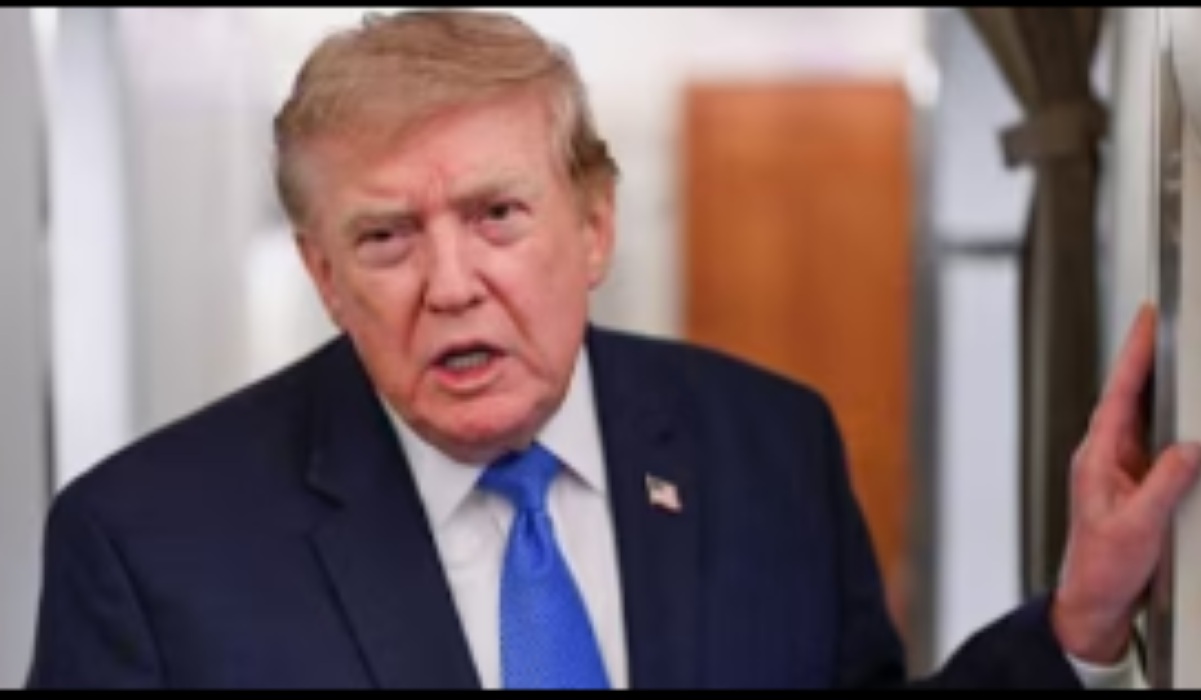
After days of issuing threats to launch new attacks against Iran, President Donald Trump is now attempting to reach a resolution through diplomatic channels, a path that has previously proven difficult to resolve through warfare. The primary focus is currently on whether US partners in the Gulf region can make progress in the coming days to reopen the Strait of Hormuz for shipping, at least temporarily, and lay the groundwork for future nuclear talks.
Despite previous failures in both areas over recent months, there are early signs of progress regarding the reopening of this strategic waterway. Oman and Iran have noted positive developments in their negotiations. Trump informed reporters on Sunday that the United States would be involved in talks commencing on Monday afternoon. He admitted that he was previously prepared to launch the largest military strike since World War II, but the plan was aborted following pressure from US allies.
“We were ready to go, but when allies ask to cancel, you have to say, ‘Alright, let’s see later’,” Trump stated. However, experts warn that if these talks fail as they have previously, Trump is likely to return to a cycle of military threats. Vali Nasr, an Iran expert from Johns Hopkins University, assessed that Trump is attempting a diplomatic solution to avoid military escalation, even though no clear path exists for Trump to declare a victory either diplomatically or militarily.
The cycle of tension has destabilised the Middle East and complicated the domestic agenda of the Trump administration. In recent weeks, Iran has carried out attacks against several US allies in the region, including Jordan, Bahrain, and Kuwait, while Iranian proxy groups in Iraq have launched drones towards Saudi Arabia. Iran’s ability to effectively close the Strait of Hormuz has triggered rises in fuel prices and forced the US and other nations to utilise their oil reserves.
Trump stated that the cancellation of the strike was also influenced by his communications with Saudi Crown Prince Mohammed bin Salman (MBS). According to Trump, MBS preferred a diplomatic agreement over military action due to the uncertainty regarding the potential impact of an attack. Interestingly, during this decision-making process, Trump reportedly did not contact Israeli Prime Minister Benjamin Netanyahu, a loyal ally who has been the most vocal voice pushing for military action against Tehran.
Iranian Foreign Minister Abbas Araghchi stated that talks with Oman regarding the mechanism for ship passage through the Strait of Hormuz are in their final stages. Araghchi also communicated with Saudi Arabian Foreign Minister Prince Faisal bin Farhan to discuss further de-escalation measures. Nevertheless, critics argue that Trump’s sudden change in stance reflects dissatisfaction with the remaining military and diplomatic options, rather than a well-calibrated strategy. Daniel Shapiro, a former Pentagon official, noted that such fluctuations in stance could undermine US deterrence in the eyes of both allies and adversaries.
Source: jawawa.id (https://jawawa.id/newsitem/trump-chooses-diplomatic-path-with-iran-following-saudi-advice-to-ignore-israel-1785734441)
Originally published by Media Indonesia (https://mediaindonesia.com/internasional/917616/trump-pilih-jalur-diplomasi-dengan-iran-ikuti-saran-saudi-abaikan-israel), translated from Indonesian