
Trump Blockades Iran Again, Tehran Issues Far More 'Lethal' Threat
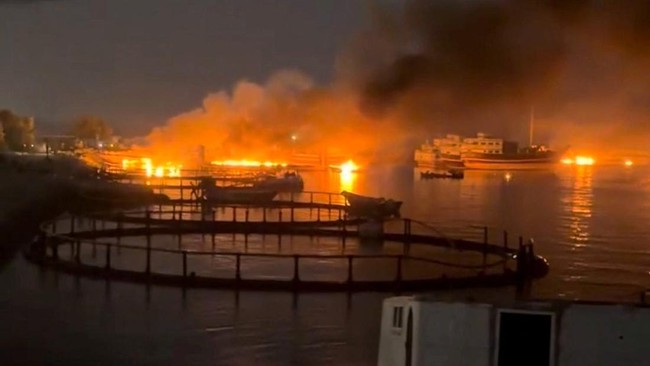
Iran has issued a stark warning that all energy supplies from the Middle East could be disrupted after the United States reimposed a blockade on Iranian ports. Washington accused Tehran of attacking ships transiting the Strait of Hormuz, a vital artery for global energy trade.
The blockade marks the end of a temporary pause previously agreed upon by the US and Iran within the framework of negotiations over Tehran’s nuclear programme. The 60-day window for talks now appears to have collapsed following the latest surge in fighting around the strait.
Responding to Washington’s actions, Iran’s Revolutionary Guard threatened to destabilise global energy markets. “Exports of oil and gas from this region will either belong to everyone or to no one,” the force stated, hinting at potential disruptions to energy flows from the Middle East.
Amid the escalation, Iranian Health Ministry spokesman Hossein Kermanpour said overnight US air strikes wounded more than 260 people. While he did not specify a death toll, he noted the impact of the latest attacks was greater than previous clashes near the Strait of Hormuz.
The US military launched a new wave of strikes against multiple targets in Iran, with Central Command (CENTCOM) reporting the operation lasted approximately seven hours and struck dozens of targets. Admiral Brad Cooper said Iran had also fired dozens of missiles and drones at several Gulf states. “US forces are holding Iran accountable for unprovoked aggression that continues to endanger innocent lives,” Cooper said.
Tensions have spread to neighbouring countries. Bahrain and Kuwait issued missile alerts, while Jordan claimed to have intercepted three Iranian missiles, an attack for which Tehran claimed responsibility. At least 19 US warships, including two aircraft carriers and an amphibious assault ship carrying more than 1,000 marines, remain on standby in the region.
Iran’s ambassador to the United Nations, Amir Saeid Iravani, accused Washington of instigating the conflict. “The US is the aggressor, not the victim,” Iravani wrote in a letter to UN leadership.
The uncertainty has roiled energy markets. Brent crude prices briefly surged to US$87 per barrel before retreating to US$78 after former President Trump cancelled a proposed 20 per cent levy on ships transiting the Strait of Hormuz. Regional mediators are still attempting to bring both sides back to the negotiating table to avert a wider global energy crisis.