
Trump Bars Journalists, but His Own Nominee Rules in Favour of the Press
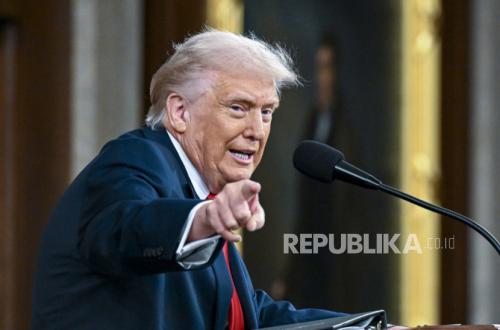
US President Donald Trump is facing a court ruling restricting his policy towards several news organisations. Ironically, the decision was issued by a federal judge whom Trump himself nominated during his first term as president.
Judge Timothy J Kelly of the US District Court for the District of Columbia ordered the Trump administration to maintain CNN, MS NOW and Politico reporters’ access to the White House complex. In a ruling on Tuesday (13 October 2026), Kelly said the ban on the three media organisations was likely to violate constitutional protections for freedom of the press and the right to due process.
The Associated Press (AP) reported that the decision extends legal protection previously granted to reporters from the three outlets on 24 September. This time, Kelly issued a preliminary injunction, which remains in force while the lawsuit is being considered unless it is overturned or suspended by a higher court.
The ruling is a legal setback for Trump amid his disputes with several American media outlets. However, Kelly’s decision is not a final ruling that the president has violated the US Constitution.
The ban began with a Trump social media post
The dispute began on 18 September 2026, when Trump announced on social media that CNN, MS NOW and Politico were barred from accessing the White House. The president accused the three news organisations of publishing false and unfair coverage of his administration.
According to CBS News, reporters from the three outlets were subsequently turned away when they tried to enter the White House complex. Their press access cards, known as hard passes, were revoked, preventing them from carrying out their regular reporting activities as before.
A hard pass is an identity card issued to accredited reporters for regular access to the White House complex. It allows journalists to attend press briefings, follow government activity and put questions to officials.
The revocation had an immediate effect on journalistic work. Reporters who lost access risked being unable to attend important events or obtain information directly from official government sources.
AP reported that the ban affected 78 reporters across the three media organisations. The figure was cited in coverage of the judge’s reasoning, which found that revoking access had real consequences for the journalists’ ability to do their jobs.
CNN, MS NOW and Politico sued over Trump’s policy on 21 September. They argued that the government cannot punish news organisations simply because the president dislikes their coverage.
The three outlets based their lawsuit on the First and Fifth Amendments to the US Constitution. The First Amendment protects freedom of speech and of the press, while the Fifth Amendment, among other things, guarantees the right to due process.
Judge nominated by Trump
One of the most notable aspects of the case is the background of the judge hearing it. Trump nominated Timothy J Kelly to become a federal judge in 2017, during his first term in the White House.
The Washington Post reported that Kelly was appointed during the Trump administration. Nevertheless, in this latest case he issued a ruling restricting the implementation of the president’s policy.
Kelly’s decision illustrates the independence of the judiciary in the US system of government. Federal judges are not obliged to uphold the actions of the president who nominated them.
In an initial review, Kelly identified problems with the Trump administration’s process for revoking the three media organisations’ access cards. The judge said the government had not provided adequate notice or given the reporters an opportunity to respond to the allegations before imposing the ban.
On 24 September, Kelly issued a temporary restraining order requiring the government to restore the reporters’ access for the time being. The order was in force for 14 days and was then briefly extended before the court issued its next decision.
On 13 October, Kelly granted the three outlets’ request for longer-term legal protection through a preliminary injunction. The ruling preserves reporters’ access while the case proceeds.
The distinction between the two types of court order matters because the underlying case has not yet been fully heard. Kelly has not issued a final ruling on all the claims brought by CNN, MS NOW and Politico.