
Trump and Xi Meet in Washington, Leaving Europe Caught Between Tariffs, Rare Earths, and AI
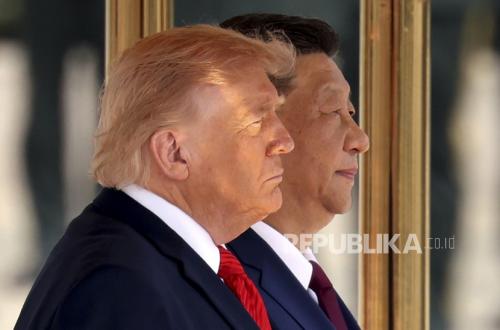
Chinese President Xi Jinping has arrived in the United States for a three-day visit to meet with President Donald Trump in Washington. The meeting between the leaders of the world’s two largest economies will not only determine the direction of Washington-Beijing relations but also carries significant potential consequences for Europe.
Trade, tariffs, rare earth minerals, artificial intelligence (AI), and geopolitical issues are on the agenda. Euronews reports that European nations are closely monitoring the meeting, as decisions reached by the US and China could directly affect the economic and strategic interests of the European Union (EU).
The Washington meeting continues a series of high-level communications between Trump and Xi, following their meetings in Busan in October 2025 and Beijing in May 2026. The Busan meeting resulted in a trade truce, while the Beijing talks progressed into discussions regarding trade, critical minerals, and technology.
Ahead of this Trump-Xi summit, Washington and Beijing have already achieved new developments. US Treasury Secretary Scott Bessent stated that both nations have agreed to extend the Busan trade agreement for two months until January, providing additional time to discuss the possibility of a broader deal.
Europe finds itself in a complex position. Brussels is currently conducting its own negotiations with Beijing to reduce trade imbalances, while any compromise between Washington and Beijing could alter the direction of Chinese exports, access to strategic raw materials, and the configuration of global AI competition.
Xi Arrives with Rare Earth Card
One of the most significant issues overshadowing the meeting is rare earth minerals. China continues to hold a dominant position in the global supply chain for materials essential to high-tech industries, automotive, energy, electronics, and defence.
Reuters reports that China controls approximately 70 per cent of global rare earth mining and over 85 per cent of refining and production capacity. This dominance provides Beijing with significant leverage when facing trade and technological pressure from Washington.
This dependency is also felt by Europe. European industries require critical minerals for electric vehicles, wind turbines, chips, aircraft engines, and various strategic technological products.
Alicia García Herrero from the Bruegel think tank assesses that Xi is arriving in Washington with a strong bargaining position. According to her, Beijing’s ability to influence the supply of strategic minerals gives Washington much greater leverage than Brussels possesses when negotiating with China.
For Europe, an US-China agreement regarding rare earths does not necessarily guarantee equal benefits for the European Union.
“The US, in one sense, will be negotiating for Europe, and Europe will have to pay the price for it,” García Herrer told Euronews on Wednesday (23/9/2026).
This pressure has forced several Western companies to seek alternatives. Reuters reports that the aerospace industry has even begun re-testing older coatings and technologies to reduce reliance on Chinese rare earth minerals. However, experts estimate that diversifying supply chains will take years.
Tariffs Could Divert Chinese Goods to Europe
Another issue of great concern to Brussels is tariffs. For Europe, the US-China trade war does not stop at the borders of those two nations.
When Washington raises barriers against Chinese products, some goods that lose competitive access to the US market may be diverted to other regions. One of the most potential destinations is the European single market.
Euronews notes that this situation is why Brussels has a vested interest in the stability of Washington-Beijing relations. Excessive US tariffs on China could encourage more Chinese products to seek alternative markets in Europe, increasing pressure on local manufacturing.
The US and China were previously involved in a tariff war with reciprocal import duties exceeding 100 per cent before reaching a trade truce. Washington is now considering extending that truce or developing a broader trade agreement.
US Trade Representative Jamieson Greer previously stated that discussions also cover agriculture and non-tariff trade barriers. Euronews reports that the possibility of tariff relief on trade worth tens of billions of dollars is also being discussed ahead of the meeting between the two leaders.
Trump has domestic interests ahead of the November mid-term elections. Any deal that can suppress prices, increase US agricultural purchases, or provide better access to critical minerals can be presented as a success of his administration.
Meanwhile, Beijing faces domestic economic challenges and is interested in maintaining access to export markets. Reuters reports that China’s trade remains strong heading into the meeting, providing Xi with substantial leverage during negotiations.
Ivano di Carlo from the European Policy Centre predicts that both parties have differing interests. Trump needs results to show his voters, whereas China stands to benefit if it succeeds in buying time to strengthen its industrial base.
Source: jawawa.id (https://jawawa.id/newsitem/trump-and-xi-meet-in-washington-leaving-europe-caught-between-tariffs-rare-earths-and-ai-1790211248)
Originally published by Republika (https://news.republika.co.id/berita/tludzk451/trumpxi-bertemu-di-washington-eropa-terjepit-tarif-tanah-jarang-dan-ai), translated from Indonesian