
Trump and Iran Remain at Odds as Peace Efforts Hit Deadlock
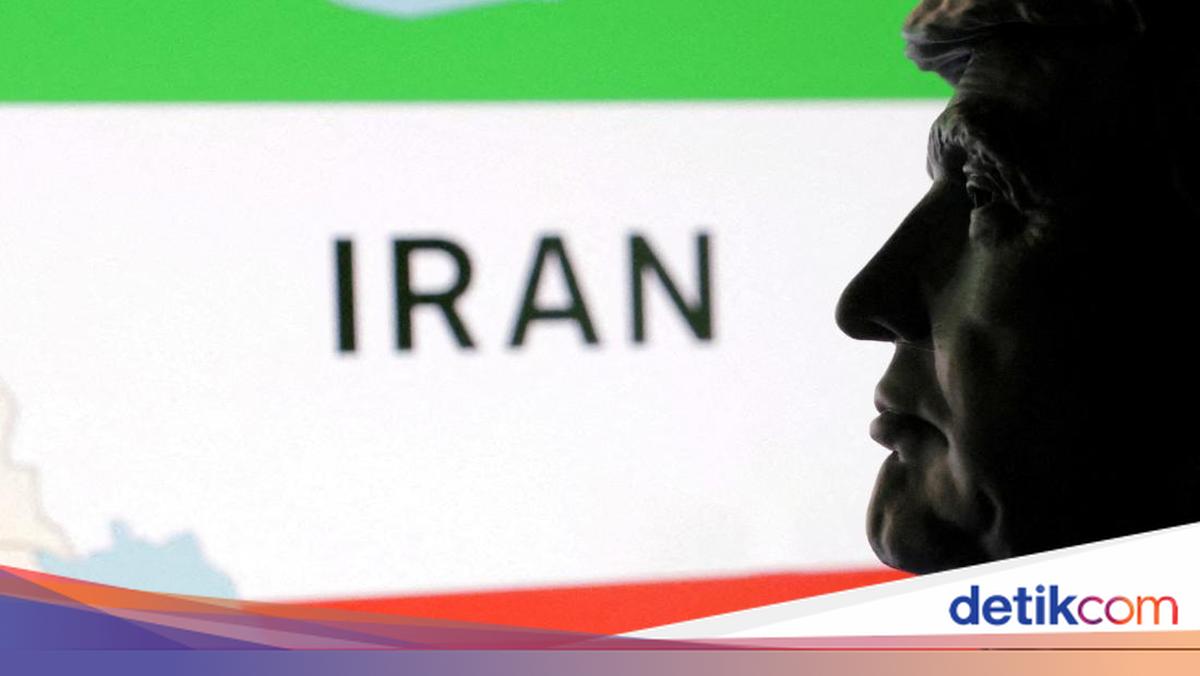
The war between the United States and Iran shows no signs of reaching a peaceful conclusion, as the leaders of both nations continue to clash. During the UN General Assembly in New York last week, Iran announced a peace proposal, stating that the suggestion had been conveyed to the US via Qatari mediators.
However, on Saturday (2<0xC2>6/9), US President Donald Trump stated his rejection of the plan, arguing that Iran’s push for an agreement regarding the vital waterway is driven by desperation. “They want to make a deal quickly to reopen the Strait of Hormuz because they are suffering a crushing defeat,” Trump remarked at the White House.
In response to Trump’s statement, Iran emphasised that only diplomacy can resolve the war initiated by the US and Israel. “Our conditions are clear, and every step towards reopening the Strait of Hormuz depends on the fulfilment of those conditions,” wrote Iranian Foreign Minister Abbas Araghchi on social media, as reported by Reuters on Sunday (27/9). “Only a solution through negotiations can lead them out of this deadlock.”
Araghchi noted that mediators facilitating talks between Iran and the US have not yet officially communicated the US rejection of the plan. “We are waiting for the mediators to convey the exact view to us, and we will make a decision based on that,” Araghchi wrote.
Tug-of-War Over Peace Conditions
A US official stated that discussions with Iran through mediators have been ‘positive and constructive’. Iran has also been communicating with its rival, Saudi Arabia, regarding the Strait of Hormuz. This underscores the high stakes of the seven-month-long war, which has disrupted oil flows through the vital shipping lane and adversely impacted the global economy.
Araghchi told journalists at the UN that the proposed agreement would trigger a seven-day countdown towards the reopening of the strait and a cessation of hostilities in the region. “If there is seriousness from the US side to reach an agreement and reopen the Strait of Hormuz, everything is now ready,” said Araghchi.
If the US agrees, he said, the warring parties could begin broader discussions on ‘mutually agreed topics’, which could potentially include discussions regarding Iran’s nuclear programme. Trump has stated that Tehran must not possess a nuclear bomb, while a senior Iranian official said that Iran would not show flexibility regarding its nuclear programme, even if the US accepts a peace deal.
Iran will not grant any concessions regarding its rights, including uranium enrichment or the shipment of highly enriched uranium abroad. Iranian President Masoud Pezeshkian, in an interview with CBS ‘Face the Nation’, stated that Tehran is ready to engage in talks regarding its nuclear programme and other issues, but will not accept ‘intimidation or coercion’.
“Iran is not seeking war, but will defend itself against pressure, threats, and attacks,” said Pezeshkian, adding that they have agreed on the principle that ‘we must not develop nuclear weapons’.
Previous diplomatic efforts failed to end the war, which began on 28 February with attacks from the US and Israel. Since then, the conflict has fluctuated between periods of ceasefire and renewed attacks, resulting in thousands of deaths and weakening Iran’s conventional forces and its already struggling economy. Iran and its allies have responded by expanding the conflict across the region. Iran has attacked US allies in the Gulf using drones and missiles, while their Houthi allies in Yemen have targeted Saudi Arabian interests, a key US ally in the Middle East.
Source: jawawa.id (https://jawawa.id/newsitem/trump-and-iran-remain-at-odds-as-peace-efforts-hit-deadlock-1790524442)
Originally published by detikcom (https://news.detik.com/internasional/d-8681845/trump-dan-iran-terus-berseteru-jalan-damai-masih-buntu), translated from Indonesian