
Trump Again Shows Contradictory Communication Pattern in Dealing with Iran
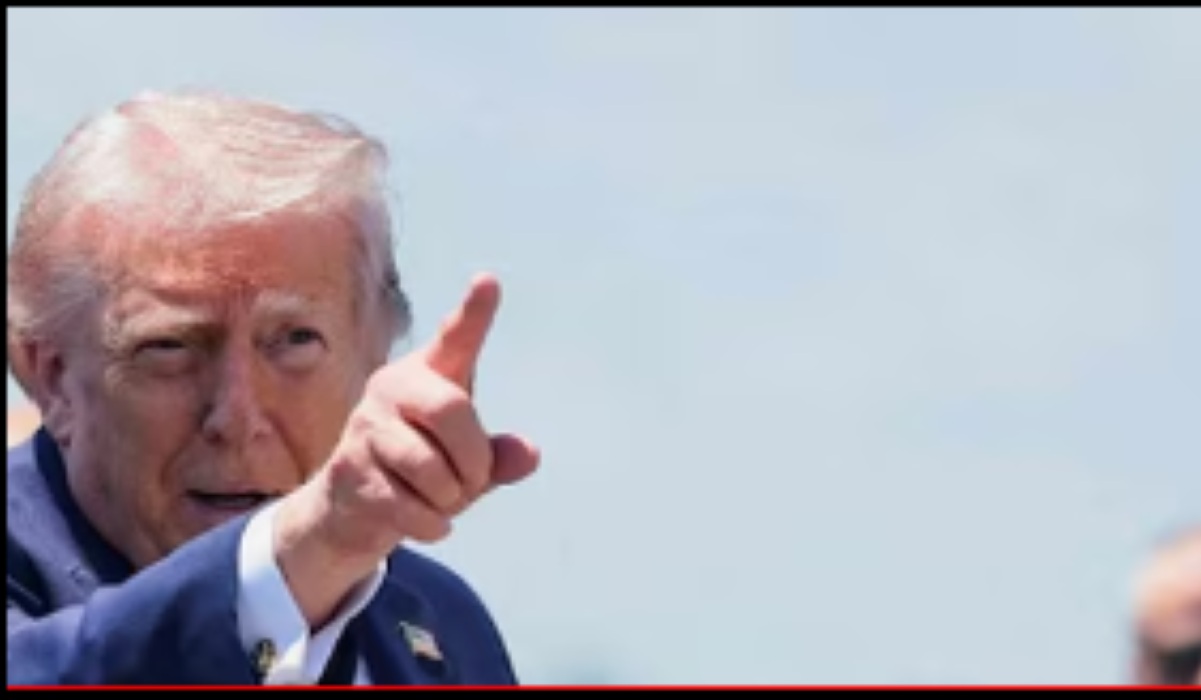
United States President Donald Trump is once again showing a contradictory communication pattern in dealing with tensions with Iran. Over the past two and a half months, Trump has been assessed as building an alternative narrative that suggests a peace agreement is imminent, even though the reality on the ground indicates the opposite.
On Thursday (11/6/2026), Trump threatened to seize Kharg Island, the centre of Iran’s oil infrastructure. However, just hours later, he retracted the threat. In an interview with Fox News, Trump instead emphasised that the American people have no appetite for becoming involved in a new war in the Middle East.
This bluffing pattern is not new. Since the beginning of the conflict, Trump has repeatedly set deadlines for Tehran to surrender, only to relax them even when US demands were not met. A clear example is the failure to fully reopen the Strait of Hormuz, which had been made an absolute condition for a ceasefire last April.
Trump’s reluctance to return to the battlefield is increasingly evident as he repeatedly references Jimmy Carter’s failure during the 1979 Iran hostage crisis. ‘I don’t want to be Jimmy Carter,’ Trump said in one statement, hinting at political fears if US troops become bogged down in a prolonged conflict.
The situation is becoming more complicated for the Republican Party. Soaring inflation due to disruptions in the global energy market is making domestic voters impatient. Ahead of the 2026 midterm elections, Trump finds himself in a difficult position: either launch a high-risk war or agree to a potentially suboptimal deal to end the economic crisis.
The recent downing of a US Army Apache helicopter by Iran briefly triggered harsh rhetoric from the White House. However, Trump’s response, calling the attack not a big deal, demonstrates the president’s strong desire to avoid direct military escalation.
Now, the world is waiting to see whether Trump’s accommodative strategy will yield tangible diplomatic results or merely postpone an inevitable conflict, at a far greater economic and political cost to the United States in the future.