
Trump Administration Rocked by Conflict of Interest Row Over Indonesia's 'Heaven' Leaf
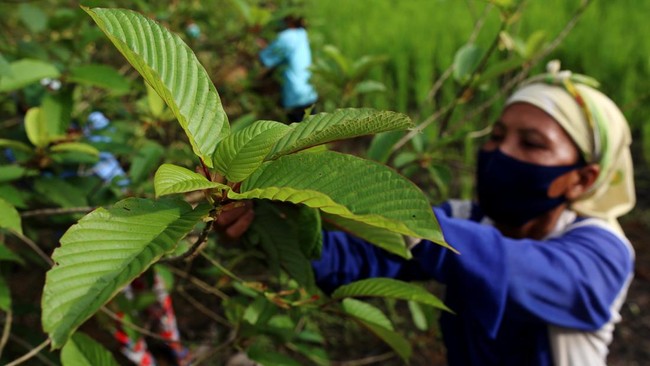
The kratom plant has sparked a polemic in the United States. The plant has long been used traditionally as a herbal medicine and remedy, even being called Indonesia’s ‘heaven’ leaf. However, in the US, the controversy has arisen not because of its health benefits or risks, but due to an alleged conflict of interest implicating an official in President Donald Trump’s administration. US Secretary of Homeland Security Markwayne Mullin has come under the spotlight after his latest financial report showed an investment of up to US$1 million in the kratom company Botanic Tonics. The ownership is being questioned because Mullin has been known to actively push various policies deemed beneficial to the kratom industry. A report by The New York Times revealed that Mullin once pushed for restrictions on stronger competing kratom products while still serving as a senator from Oklahoma. He is also alleged to have asked officials at the US Department of Health and Human Services to remove information regarding the potential dangers of kratom from the Food and Drug Administration (FDA) website, both while he was a senator and after becoming Secretary of DHS. Mullin has yet to provide a direct response to the report. However, the Department of Homeland Security claimed the secretary has complied with all applicable ethics rules. ‘The Secretary has complied with all ethical standards and rules regarding conflicts of interest and has never lobbied any individual or company,’ it said. The controversy has intensified after it was revealed that Mullin has not yet divested his investment in Botanic Tonics. In fact, last March he stated he would divest dozens of assets that could potentially cause conflicts of interest if he were confirmed as Secretary of Homeland Security. The investment in the kratom company was not included in the list of assets to be divested. This situation has raised questions about the independence of the policies pushed by Mullin. Criticism has emerged over fears that decisions taken are not solely for the public interest, but also potentially benefit his personal investments. Mullin’s track record has also been highlighted again. He previously violated the provisions of the STOCK Act for failing to properly report a number of stock and bond transactions. Although he claims his investment portfolio is managed by a third party, regulations in the United States still hold public officials responsible for avoiding conflicts of interest. Amidst the polemic, kratom itself remains a subject of debate in the United States. The supplement, widely sold in shops and petrol stations, is claimed to help relieve pain and boost energy. However, a number of studies also link it to the risk of addiction, withdrawal symptoms, liver damage, seizures, hallucinations, and psychosis. Kratom has also reportedly been found in the bodies of thousands of overdose victims, although a direct link remains under debate. Meanwhile, Botanic Tonics denies its products are dangerous. The company stated its products are safe and that it has been pushing for regulations that differentiate genuine kratom leaf products from their synthetic derivatives. Indonesia itself is one of the world’s largest producers and exporters of kratom. Most of the kratom supply circulating in the global market originates from Kalimantan and is exported to various countries, including the United States. Therefore, any regulatory developments or polemics related to kratom in the US often attract the attention of industry players back home.