
Trump Administration Reportedly Seeks Contact with Israeli Opposition Amid Concerns Over Hardline Coalition Partners
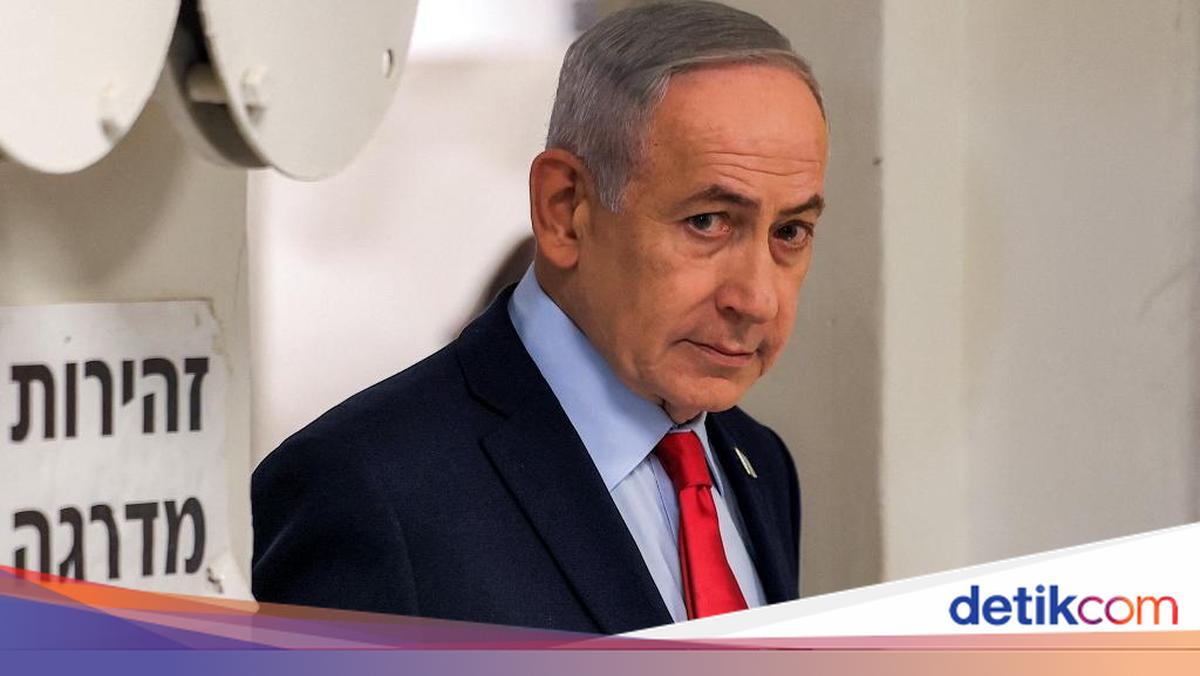
The administration of US President Donald Trump is reportedly concerned about the growing influence of hardline groups in Prime Minister Benjamin Netanyahu’s governing coalition, prompting it to establish contact with opposition leaders and figures in Tel Aviv.
A report by local Israeli media outlet Channel 12, as cited by Middle East Monitor on Tuesday (23/6/2026), stated that officials in the Trump administration believe there is a strong possibility Israel could undergo a change of government, which has spurred informal efforts to reach out to opposition leaders.
This report emerges as Washington and Tel Aviv are embroiled in recent tensions over a peace agreement with Iran and Israel’s military operations in Lebanon, which it claims are targeting the Hezbollah group.
According to Channel 12, several officials in Washington are worried about the influence of hardline factions within Netanyahu’s coalition and are seeking to build relationships with potential future Israeli political leaders. Those contacted by the US reportedly include former Israeli Prime Minister Naftali Bennett and opposition leader Gadi Eisenkot.
Regarding the hardline Israeli factions causing concern in the US, who exactly are they?
Netanyahu’s governing coalition, which has been in power since December 2022, consists of five political parties: Likud, Shas, Otzma Yehudit, the Religious Zionist Party, and the New Hope Party. This coalition is widely referred to as the “most right-wing government” in Israel’s history.
Likud, founded in 1973, is Israel’s largest political party and forms the backbone of the current coalition. It is led by Netanyahu, who holds the record as Israel’s longest-serving prime minister. Historically, Likud is sceptical about the possibility of peace with the Palestinians and supports Jewish settlement projects in Palestinian territories.
Shas is a Haredi religious party established in 1984, representing ultra-Orthodox Jews, the most conservative stream of Judaism. It has been the third-largest party in the Knesset since 2024 and has consistently been part of governing coalitions since its founding.
Otzma Yehudit, meaning “Jewish Power”, is a far-right, ultranationalist, and anti-Arab party. It is led by Itamar Ben-Gvir, a controversial ultranationalist who has been convicted of inciting racism and supporting a terrorist organisation, according to the BBC. Ben-Gvir serves as Minister of National Security, responsible for the Israeli police, and his controversial statements have drawn widespread international condemnation.
The Religious Zionist Party is an extreme right-wing, ultranationalist, Jewish supremacist, and religious Zionist party. Its leader, Bezalel Smotrich, is a West Bank settler and a strong advocate for expanding Jewish settlements. He has openly stated he wants to see Israel annex the West Bank and currently serves as Minister of Finance. Smotrich also oversees the Civil Administration, which approves settlement construction and controls key aspects of Palestinian life in the West Bank.
The New Hope Party is a centre-right, national-liberal party led by Gideon Sa’ar, a former Likud member of parliament who now serves as Foreign Minister in Netanyahu’s cabinet.