
Trump Administration Proposes H-1B Visa Fee Increase to Rp1.8 Billion for Hiring Foreign Workers
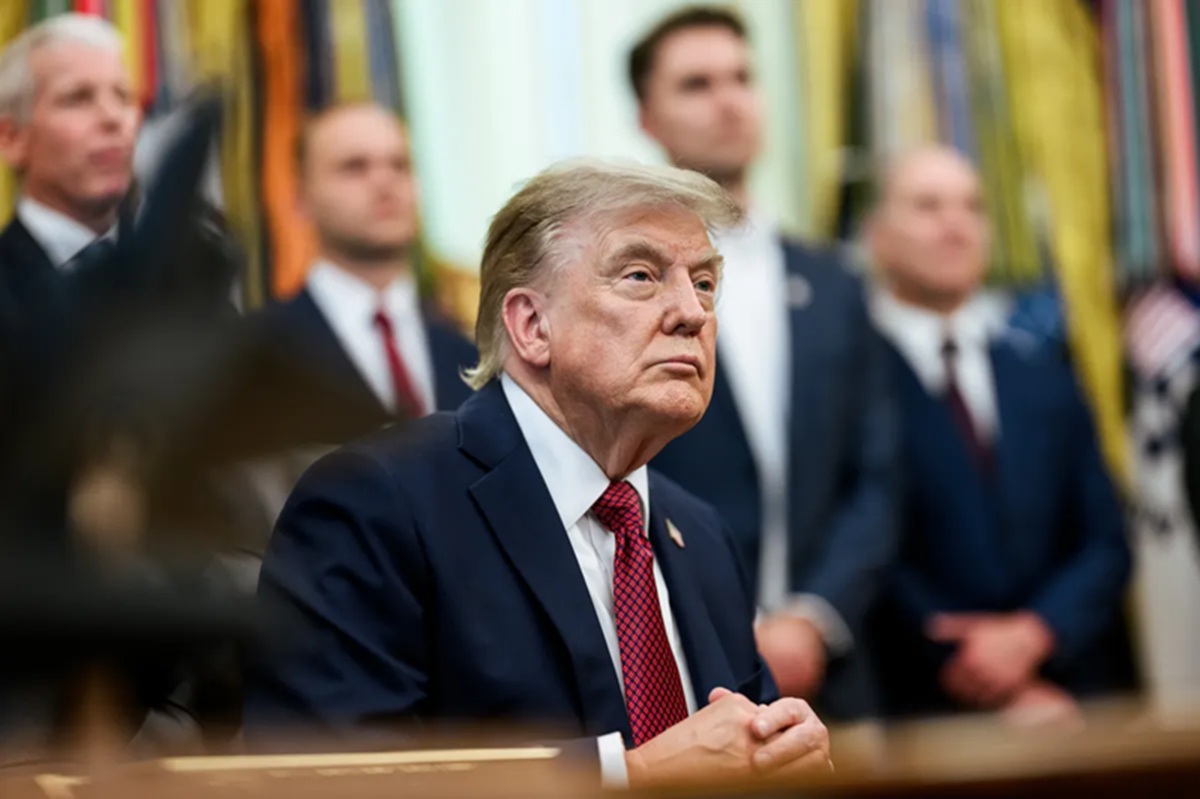
The administration of United States President Donald Trump has announced plans to impose an additional fee of US$103,265 (approximately Rp1.8 billion) for H-1B work visa applications. The move comes just months after a federal judge struck down the government’s previous attempt to charge a US$100,000 application fee.
In a draft regulation uploaded on Monday, the government stated that the fee is allocated to recover the operating costs of the immigration system. The policy is also claimed to be aimed at encouraging domestic companies to prioritise hiring American workers and to provide higher wages.
However, the rule is not yet final. The approval process is expected to take several months and could face further legal challenges. The government is currently opening a 30-day public comment period for input.
The H-1B visa is a programme that allows foreign professionals to work in specialised fields in the US. Applicants are required to hold a bachelor’s degree or its equivalent. The visa is valid for three years and can be extended for a further three-year period.
A number of economic experts assess that the H-1B visa programme helps US companies maintain global competitiveness and expand their businesses, which ultimately creates more jobs. Under US law, the H-1B visa quota is capped at 65,000 per year, with an additional 20,000 allocated specifically for holders of master’s or doctoral degrees from US universities.
On the other hand, the Trump administration believes the programme has been overused, thereby displacing job opportunities for local residents. Vice President JD Vance expressed his support for the proposed new fee through a post on social media platform X on Monday.
“If an American corporation needs workers, they should hire and train American citizens,” Vance wrote.
The Trump administration’s effort to impose high fees on H-1B visas began with an executive action signed by President Donald Trump in September 2025, setting a tariff of US$100,000. Previously, the standard application fee was around US$3,000.
However, the policy hit a legal hurdle in June when US District Judge Leo Sorokin struck down the fee. The Boston-based judge ruled that the president lacked the authority to set the new policy and affirmed that only Congress has the power to change federal immigration policy to collect such fees, which he deemed a form of tax.
“The President has no power or delegated authority to impose a tax on H-1B applications,” Sorokin wrote in his ruling.