
Troops of Monkeys Invade Panggang in Gunungkidul, Damaging Residents’ Fields
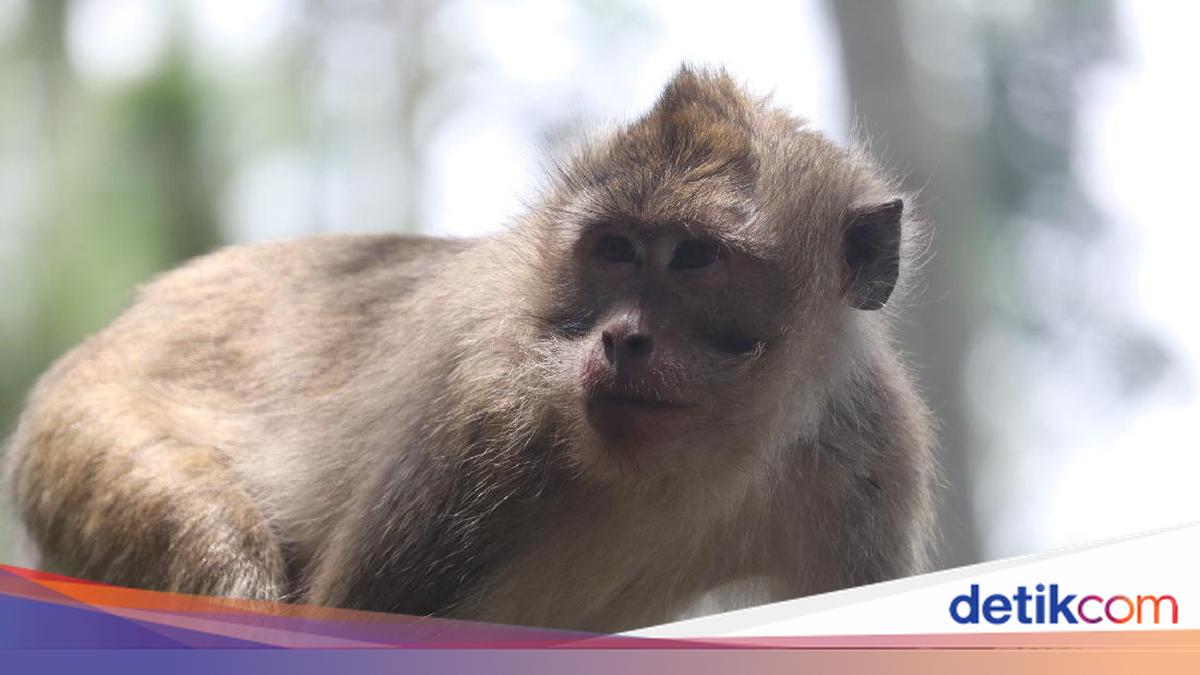
A large troop of monkeys has invaded the Panggang area of Gunungkidul, damaging residents’ agricultural plots and fields.
A video showing what appeared to be countless monkeys went viral on social media. It showed the animals occupying residents’ land.
“Farmers in Panggang, Gunungkidul, in the Special Region of Yogyakarta, have reported attacks by hundreds of wild monkeys on their plantations. Even seeds that had only just been sown the previous day were damaged by the troop,” the Instagram account @jogja_admin said, as seen by detikJogja on Sunday (8 November 2026).
Agung, the head of Panggang III hamlet, said the incident in the video took place in the Alas Tlogo Panggang area of Girisuko, Panggang, Gunungkidul. The troop descended on land that residents had only just planted.
“It happened yesterday (Saturday). The long-tailed macaques started disturbing the land straight after planting had been completed,” he told detikJogja on Sunday (8 November 2026).
Agung said the disruption involved the disappearance of seeds that farmers intended to plant. He said the seeds had been taken by the monkeys.
“After planting, the monkeys immediately took the seeds. There were a lot of them yesterday,” he said.
Agung added that the monkey attacks had been occurring for the past year. He said they had caused losses for farmers, who were forced to plant again.
“Most of the farmland in Panggang has been affected. The attacks damage the fields and force farmers to repeat the planting because the monkeys take the seeds,” he said.
Meanwhile, Gunungkidul Regency’s Agriculture and Food Agency head, Rismiyadi, said monkeys were present in several kapanewon, or sub-districts, across Gunungkidul. He said extreme weather was believed to be behind their incursions into farmland.
“Extreme weather is suspected of driving monkey populations into residents’ ready-to-plant fields. In Panggang, for example, they may be taking seeds as they are being planted,” he said.
Rismiyadi said he did not yet know exactly how much farmland in Panggang had been affected, but confirmed that officials would inspect the site soon.
“So far, reports have come only from farmers in parts of Panggang, as shown on social media. The area affected has not yet been established,” he said.
On the regency government’s response, Rismiyadi said it had worked with the Yogyakarta Natural Resources Conservation Agency (BKSDA), academics from Gadjah Mada University (UGM) and others to try various mitigation measures. One approach has been planting food-bearing trees in conservation forests.
“The BKSDA and the Environmental Agency have planted various fruit trees in areas such as the Paliyan Wildlife Reserve to provide a natural food source inside the forest,” he said.
Trials have also been conducted to provide supplementary food, such as cassava, along the forest boundary in an effort to keep long-tailed macaques from moving into residents’ fields. Farmers have also set up rattling nets or used firecrackers to scare the troops away.
“Discussions and studies are also under way on population management, including relocation, sterilisation and a legal quota for capture or population reduction in line with conservation regulations,” he said.
Source: jawawa.id (https://jawawa.id/newsitem/troops-of-monkeys-invade-panggang-in-gunungkidul-damaging-residents-fields-1794131430)
Originally published by detikJogja (https://www.detik.com/jogja/berita/d-8743772/kawanan-monyet-serbu-panggang-gunungkidul-rusak-ladang-milik-warga), translated from Indonesian