
Trisakti Professor Applauds New BGN Direction to Improve Free Nutritious Meal Governance
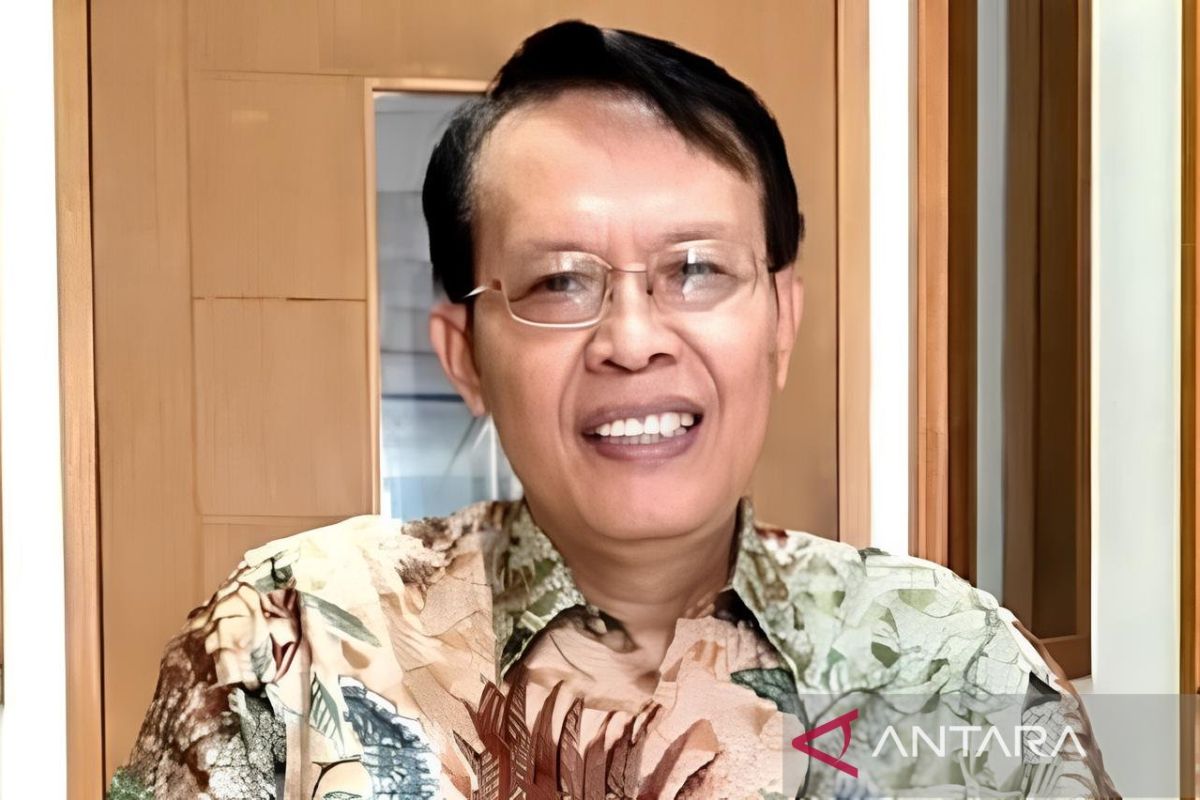
Jakarta (ANTARA) - Professor of Legal Sociology and Public Policy Observer at Trisakti University’s Faculty of Law, Prof Trubus Rahardiansah, has expressed appreciation for the new direction taken by the National Nutrition Agency (BGN) to comprehensively improve the governance of the Free Nutritious Meal (MBG) programme. Trubus stated that evaluating the implementation of MBG is necessary not only to enhance the programme’s effectiveness but also to restore public trust, which has been eroded by various implementation issues. “In my view, the steps taken by the new BGN head, Nanik Sudaryati Deyang, are on the right track. The MBG programme is a noble initiative eagerly awaited by the public. Therefore, governance improvements must be a priority so that its overarching goals are truly achieved,” Trubus said in Jakarta on Friday. He assessed that the current evaluation cannot be separated from the problems that occurred in the previous period. One significant note is the weak governance that created opportunities for irregularities in the programme’s execution. According to him, the strong spirit of building a healthy generation through MBG was once tainted by the emergence of various issues that veered towards the interests of certain groups. “This programme should be an investment in human resources, but if the governance is weak, what emerges instead are personal, group, factional, or even specific family interests. This must not be allowed to happen again,” he said. Beyond governance issues, Trubus also considers the validity of beneficiary data to remain a major challenge, as the lack of a truly accurate database could lead to mistargeting and budget irregularities. For this reason, the data collection system needs to be more integrated so that programme implementation is precisely targeted. “If the data is not accurate, the potential for irregularities will always exist. To this day, the public hears figures of tens of millions of beneficiaries, but the database has never been clearly published. This must be fixed,” he explained. Trubus also criticised the policy formulation process, including a number of past procurements that were deemed to have no direct connection to the programme’s main objective of fulfilling public nutrition. “Going forward, every policy must be open to the public. There must be no procurement that is irrelevant to the MBG’s goals. The focus of this programme is nutritional fulfilment, so the entire budget must be directed to support that objective,” he stated. He urged that cooperation contracts between the BGN and foundations or managers of the Nutrition Fulfilment Service Units (SPPG) be made publicly accessible as a form of accountability for the use of state funds. “If a foundation receives state funds, its responsibilities must also be clear. Operational risks must be stipulated in the contract so that the state is not always the party bearing the consequences when problems arise,” Trubus said.