
Trial of Sheikh Hassoun, Ex-Mufti of Assad-Supporting Syria: Can He Be Punished Without Bearing Arms?
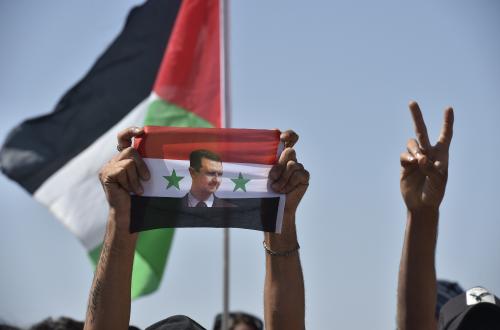
The trial of Ahmad Badruddin Hassoun, the former Grand Mufti of the fallen Syrian regime, before the Fourth Criminal Court in Damascus has raised a question that ordinary judicial processes in cases of mass atrocity rarely manage to answer fully. Namely, how should a person’s responsibility be assessed when they provided legitimacy for violence without ever carrying it out directly? In the accountability model commonly applied to war crimes and crimes against humanity, the primary focus is always directed at the direct perpetrators—the soldier who pulled the trigger, the investigator who carried out torture, or the commander who issued the orders. Hassoun’s case occupies a different position. The prosecution is not accusing him of bearing arms or issuing operational commands. The alleged contribution to mass violence instead lies in his speeches, his official position, and the symbolic authority attached to the religious office he held. Thus, the Syrian court’s ability to try this form of contribution without becoming trapped as a political stage is the main conceptual issue that has emerged since the first hearing held in Damascus on 25 June 2026. The case is based on a theory of responsibility recognised in international criminal law, although proving it is notoriously complex. This is because the system that gave rise to various atrocities consists not only of those who committed violence directly, but also those who provided legitimacy for that violence, mobilised perpetrators through discursive and institutional authority, and helped exclude certain civilian groups from legal protection and moral norms.