
Tri Tito Karnavian Says Accelerating Registration Strengthens Posyandu's Role
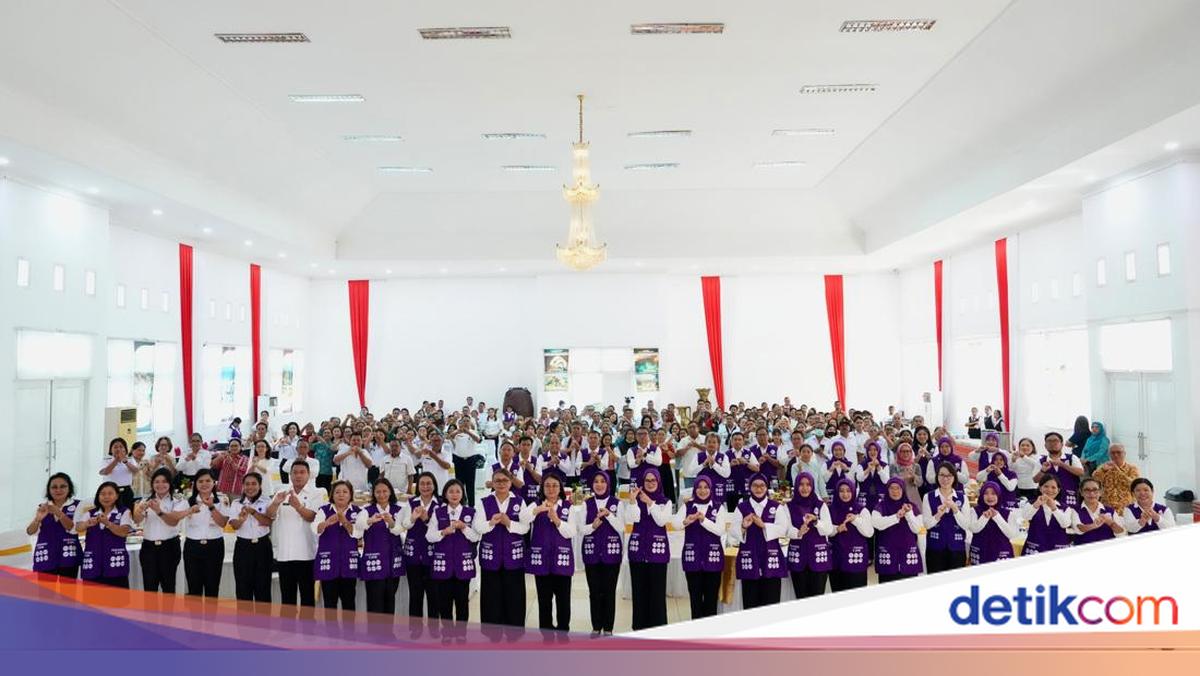
Chair of the Posyandu Development Team, Tri Tito Karnavian, has emphasised the importance of accelerating Posyandu registration as a step to strengthen the role of Posyandu in providing basic services to the community through the implementation of six Minimum Service Standards (SPM) areas. This was conveyed by Tri Tito whilst opening the Socialisation of the Implementation of Posyandu 6 SPM Areas for 2026 at the East Nusa Tenggara Governor’s Official Residence Hall on Wednesday (24/6/2026). According to Tri, strengthening Posyandu is not only related to expanding services but also to institutional strengthening at the village and sub-district levels. She noted that some village governments still do not understand that Posyandu is a village community institution that can be supported through village policies and budgeting. ‘Posyandu is part of the village institution. Due to ignorance, Posyandu is not included in the Village Budget (APBDes). Not just Posyandu, even the PKK is not included,’ she said. Tri explained that the transformation of Posyandu began since the 2024 Posyandu National Coordination Meeting, which produced the Posyandu Strategic Plan 2025-2029, aligned with the National Medium-Term Development Plan (RPJMN) 2025-2029. Within this framework, registration serves as an important entry point to strengthen Posyandu’s role as a community service centre in villages. She explained that with registration, Posyandu will have a verified identity and data, making it easier to obtain programme support and resources from various parties, not only from the state or regional budgets. ‘Posyandu will have data and needs in local villages so they can receive assistance from various parties,’ she said. Based on data from the Directorate General of Village Governance, as of June 2026, there are 238,666 Posyandu across Indonesia recorded in the Electronic Village and Sub-district Profile system. However, only 12,511 Posyandu have obtained a registration number across 22 provinces and 76 districts/cities. Meanwhile, 69,612 Posyandu have applied for registration, but around 57,101 are still in the process of fulfilling administrative and institutional requirements. Tri affirmed that the government continues to refine the registration system to make it easier and more efficient. On the other hand, Posyandu also need to complete institutional documents and management structures so the registration process can be finalised promptly. ‘Accelerating registration can strengthen the function of Posyandu as a coordination centre for basic services in villages, ranging from health and education to social protection, and ensure government programmes are more targeted down to the family level,’ she concluded.