
Treated to Giant Meatballs by a Madurese Entrepreneur
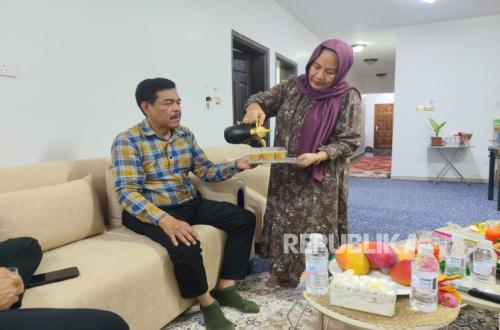
That morning, Sunday (19/4/2026), an Indonesian man was seen pacing back and forth in front of the Astoneast Taiba Hotel in Madinah. Occasionally, he was seen chatting familiarly with the hotel manager, an Arab, and at other times sitting in the hotel lobby. I, who was busy taking photos and videos of the atmosphere around the hotel, became interested in approaching him. Sobirin (62 years old), the man’s name, nodded amiably. “I’ve been here for more than 25 years, since the 1998 monetary crisis,” Sobirin began the conversation. He said he was waiting for his wife, Rosidah (55 years old), who was preparing catering for Indonesian Hajj pilgrims who would arrive in Madinah starting 22 April 2026. The husband-and-wife pair from Madura have successfully developed a catering business under the Astoneast Taiba Hotel network. Their catering is one of the 23 kitchens partnered with the Indonesian government as a provider of meals for Indonesian Hajj pilgrims this year. “At first, I did odd jobs here. From driving to helping out. But alhamdulillah, now I’m comfortable with the catering business,” said Sobirin. His journey to starting a catering business was not easy. He once worked as a domestic helper in the home of a fierce Moroccan woman. His wife, who followed him to Saudi Arabia a few years later, even sold food on the roadside in front of the hotel. “Back then, when we were still poor, no Indonesians wanted to greet us, including our own neighbours in the village. They pretended not to know us,” said Sobirin. But now the story is different. He and his wife can now live in a house with a rental cost of 25,000 riyals per year (around Rp 114 million) and have 150 employees. People in his hometown have started to respect him. Some of his neighbours have even applied for jobs with him, though not all are skilled workers. “Some have come here, asking to work with me, but their work is sloppy. And on top of that, they demand high salaries,” Sobirin explained.