
Trapped in the Strait of Hormuz War for 3 Months: 20,000 Sailors Face Water and Mental Health Crisis
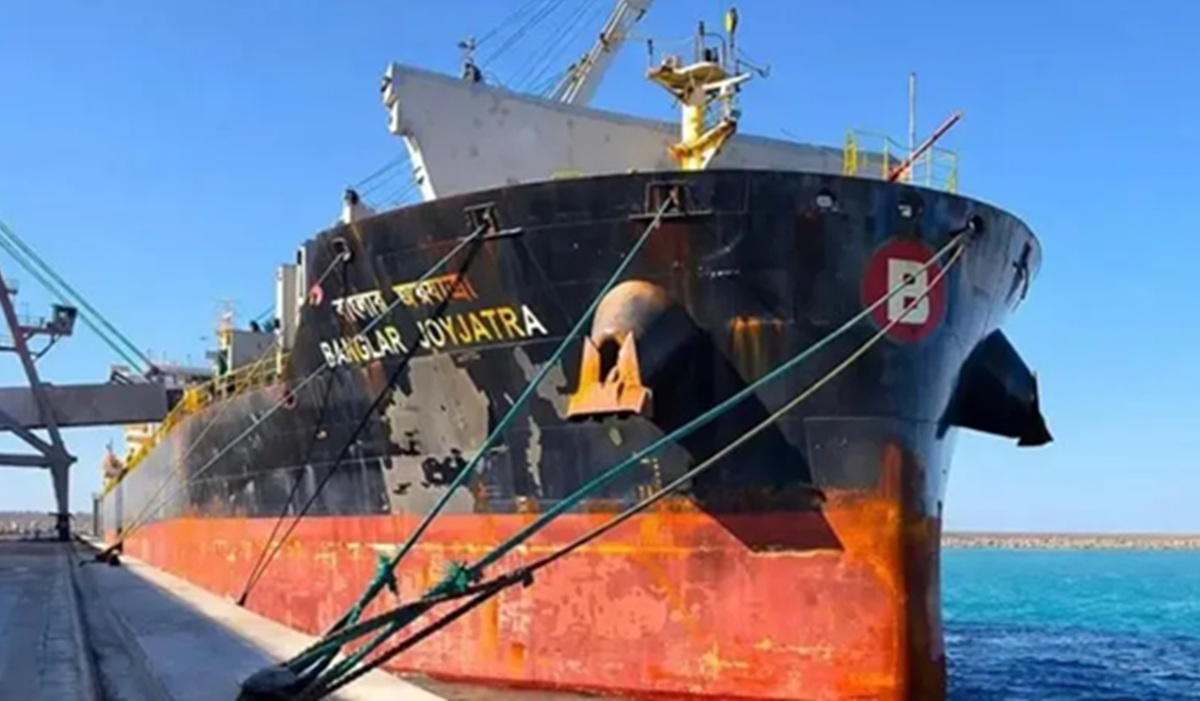
The sea is sometimes so calm that Captain Hassan Khan momentarily forgets that his ship and crew have been trapped in a war zone for three months. Alongside 20,000 other sailors, they are caught in or around the Strait of Hormuz due to the outbreak of war between the United States-Israel and Iran since late February.
This shipping lane, which typically transports one-fifth of the world’s oil and gas, has suddenly been paralysed. On board the vessels, the crew’s usual banter has turned into a haunting silence, overshadowed by the fear of missile attacks and sea mines.
“This state of stress is always on our minds all the time,” said Khan, a Pakistani sailor using a pseudonym. “Everyone is exhausted, both physically and mentally.”
According to estimates from the International Maritime Organization (IMO), approximately 1,600 ships are trapped within the Gulf because Iran has closed the narrow passage. One such vessel is the Banglar Joyjatra from Bangladesh, carrying 37,000 tonnes of fertiliser destined for South Africa. Its captain, Shafiqul Islam, admitted he has attempted to exit twice but was thwarted by the uncertain security situation.
“It feels like we are trapped in a pool. There is only one way out, and that is Hormuz,” explained Islam.
Currently, the supply of food and clean water has become the most urgent issue for ships anchored offshore. Amidst summer weather with temperatures reaching 30 to 45 degrees Celsius, the prices of basic necessities have soared.
“We purchased about 180 tonnes of water for the ship two days ago. Previously, the cost was between US$1,500 and US$2,000. Now, the cost is US$11,000,” revealed Rashedul Hasan, the chief engineer of the Banglar Joyjatra.
So far, the IMO has recorded at least 11 sailors killed due to the conflict. Some ships from China, India, and Pakistan have reportedly managed to escape through direct diplomacy and by paying millions of dollars in fees to Iran. However, such measures are difficult for other vessels to undertake.
The Managing Director of the Bangladesh Shipping Corporation (BSC), Commodore Mahmudul Malek, stated that the Bangladeshi government initially agreed to pay the fees demanded by Iran to allow their ships to exit. However, the plan had to be cancelled due to external pressure.
“We are in a double crisis now,” said Maleg, after the US threatened to impose sanctions on any country that pays such fees to Iran.
Source: jawawa.id (https://jawawa.id/newsitem/trapped-in-the-strait-of-hormuz-war-for-3-months-20-000-sailors-face-water-and-mental-health-crisis-1780858113)
Originally published by Media Indonesia (https://mediaindonesia.com/internasional/896374/3-bulan-terjebak-perang-di-selat-hormuz-20-ribu-pelaut-hadapi-krisis-air-dan-mental), translated from Indonesian