
Trapped in a Security Dilemma, US-Iran Ceasefire Becomes Netanyahu's Political Nightmare
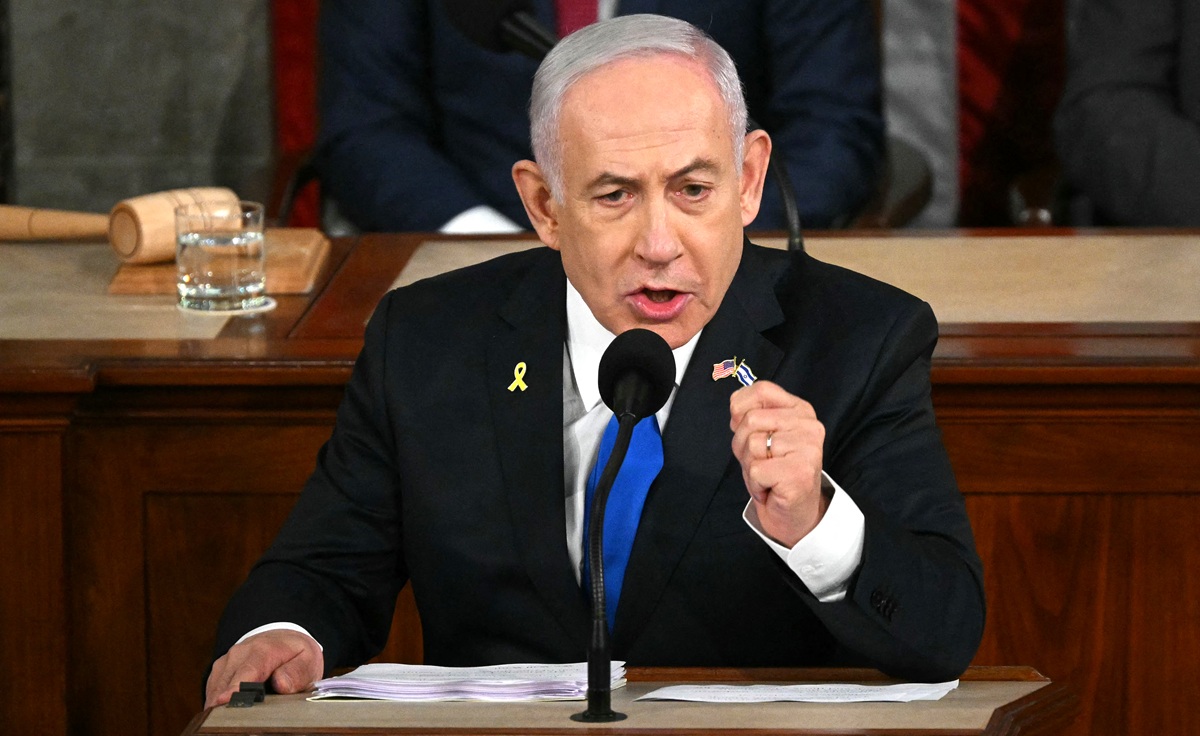
The ceasefire agreement between the United States (US) and Iran has now turned into a political nightmare for Israeli Prime Minister Benjamin Netanyahu. The decision is seen as destroying the three main pillars of Netanyahu’s political career while trapping him in a new and complex security dilemma, just months before Israel’s general election. How is it possible that a leader who has long portrayed himself as the figure most capable of ‘steering’ Washington is now being openly sidelined by his primary ally? Furthermore, Netanyahu, who made opposition to Iran the centrepiece of his security policy, must now watch Tehran emerge from this conflict in a position that could be considered stronger. The choices facing Netanyahu at present are entirely unfavourable. Israeli opposition leader Yair Lapid summarised the situation before the Knesset: ‘The choice is direct and damaging confrontation with our greatest ally, or submissive surrender regarding Israel’s interests.’ Sharp criticism from US President Donald Trump, who said Netanyahu lacked good judgement when ordering the strike on Beirut, was immediately exploited by his political rivals. Moreover, right-wing allies in his own coalition cabinet have begun exerting heavy pressure, particularly regarding Iran’s demand that the ceasefire include a halt to military operations on all fronts, including Lebanon. Israel’s right-wing National Security Minister, Itamar Ben-Gvir, asserted his rejection on social media: ‘Trump’s deal does not bind us. We are not part of this agreement that does not guarantee our security.’ On the other hand, Likud party parliament member Ariel Kallner stated, ‘Israel will continue to protect itself.’ However, he declined to specify whether that meant attacks would continue. ‘We will do what we need to do. And we hope our friends understand us,’ he added. Former Mossad official and Iran specialist Sima Shine also questioned the US stance. ‘It is difficult to understand why America accepted it. By allowing Iran to dictate what will happen in Lebanon, the US gives Iran the opportunity to continue supporting Hezbollah and ensures Hezbollah remains a major political actor in the Lebanese arena. Israel is not happy about that – neither the security establishment nor the political one,’ she remarked. All this time, the security narrative has always been Netanyahu’s main asset for attracting voters. Following the 7 October 2023 attack, he transformed Israel’s security policy into a more aggressive one based on the principle of directly severing threats, rather than merely containing them. However, although the Israeli military has destroyed much of Gaza and killed more than 73,000 people according to the Hamas-run health ministry, the group still controls half the territory and has begun to reassert its authority. This new approach has also forced Israeli troops to occupy large areas in Gaza, Lebanon, and Syria, which are now draining Israel’s military resources and reserves to a critical point without any clear diplomatic pathway. Senior Iran affairs analyst at the Institute for National Security Studies (INSS), Danny Citrinowicz, assessed that Israel must reformulate its strategy. ‘Any Israeli military action perceived in Washington as an attempt to sabotage the agreement is expected to face a harsh response from the US,’ he wrote in the Israeli daily Israel Hayom. He added that unlike the Obama administration era, the option for Netanyahu to bypass the White House by rallying support in Congress is now virtually non-existent. Netanyahu’s political promise claiming to be the best protector from regional threats now appears to be increasingly disproven by the reality on the ground.