
Transport observer supports DTKJ proposal for Jaklingko fare
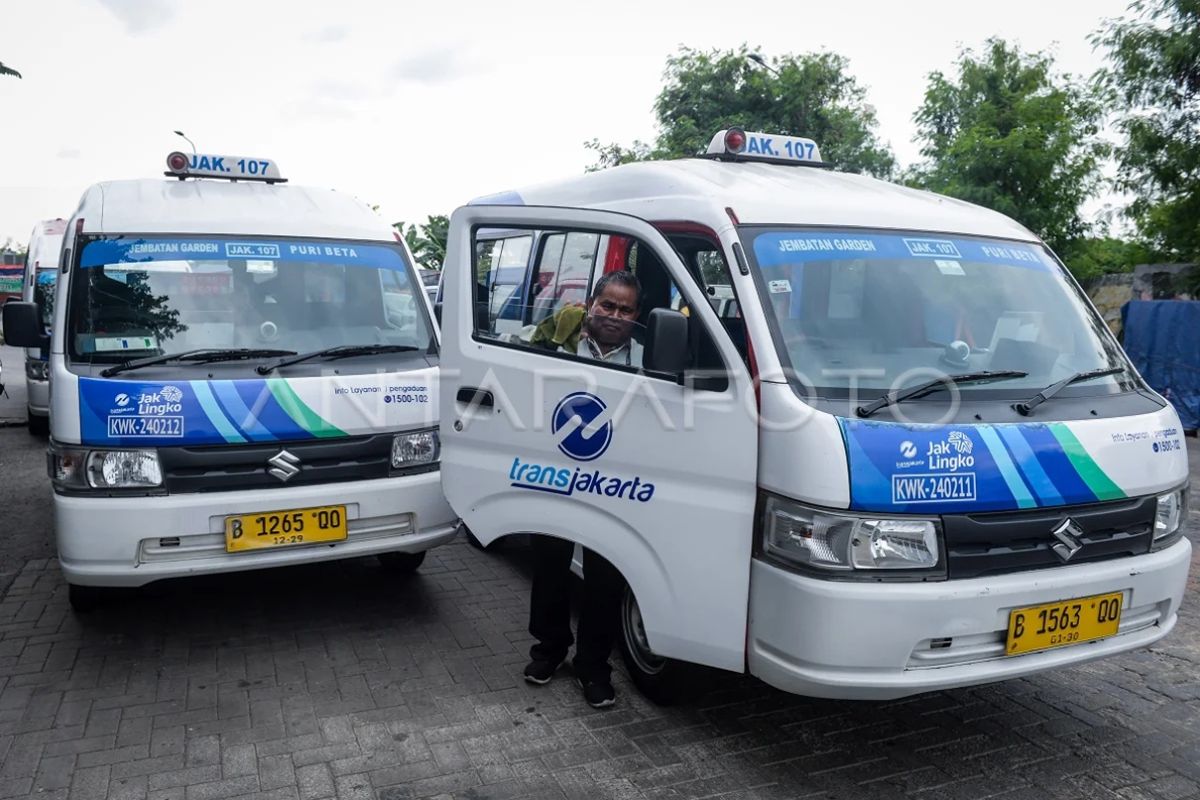
Jakarta - Transport observer Deddy Herlambang supports the proposal by the Chairman of the Jakarta City Transport Council (DTKJ) for the 2026-2029 period, Sugihardjo, to end the free fare policy for the Mikrotrans or Jaklingko service and instead impose a tariff of Rp2,000. Deddy assessed that implementing a fare for Jaklingko is not only related to the service’s financing aspect but is also part of an effort to build public awareness to better appreciate public transport. “It is true, Mikrotrans must be paid. So, there is education for users, so that free services do not lead to the service itself being neglected,” Deddy said when contacted on Monday. According to him, a completely free service has the potential to make some users less appreciative of the quality of service provided. Therefore, the application of a fare is considered able to encourage a balance between the user’s right to obtain good service and the obligation to contribute to the sustainability of public transport operations. “For example, with a free fare, people still demand good service, and so on. If it’s paid, we can demand better service,” Deddy explained. However, he suggested that Jaklingko should ideally be charged a fare of Rp 1,000 in the initial stage to avoid causing culture shock among the public. Sugihardjo stated, “If it’s only for a short distance, just taking the Mikrotrans, the fare is Rp2,000. We are proposing Rp2,000.” He assessed that as long as the feeder transport service remains free, there is a possibility that the recorded number of passengers does not match the actual conditions. Therefore, the fare proposal aims to make Mikrotrans passenger number data more accurate while preventing potential passenger data manipulation. Sugihardjo explained that currently, there are kilometre and passenger number targets for Mikrotrans operations. With a free fare, if the passenger number target is not met, there is concern that passenger data might be manipulated to ensure the target is still achieved. “So far, in the contract between Transjakarta and the operator, there is a target for kilometres travelled and a target for the number of passengers. Now, related to this, when it’s free, for example, the number of passengers is lacking. If I were the operator, so that the target is not penalised, I would tap the card myself to meet the target,” Sugihardjo revealed. Furthermore, he said that if every passenger is charged a fare of Rp2,000, such practices would be difficult to carry out because every transaction must be paid, making passenger data more real. He also asked the public not to immediately conclude that the number of Mikrotrans passengers has decreased if the policy is implemented. “So, if later Mikrotrans is charged a fare of Rp2,000, and the passenger data drops, that data is genuinely down, but it does not mean the number of passengers has decreased because previously there was excess data, which was actually not running,” Sugihardjo added.