
Transport Ministry Strengthens Inclusive Transport for Vulnerable Groups in 3T Areas
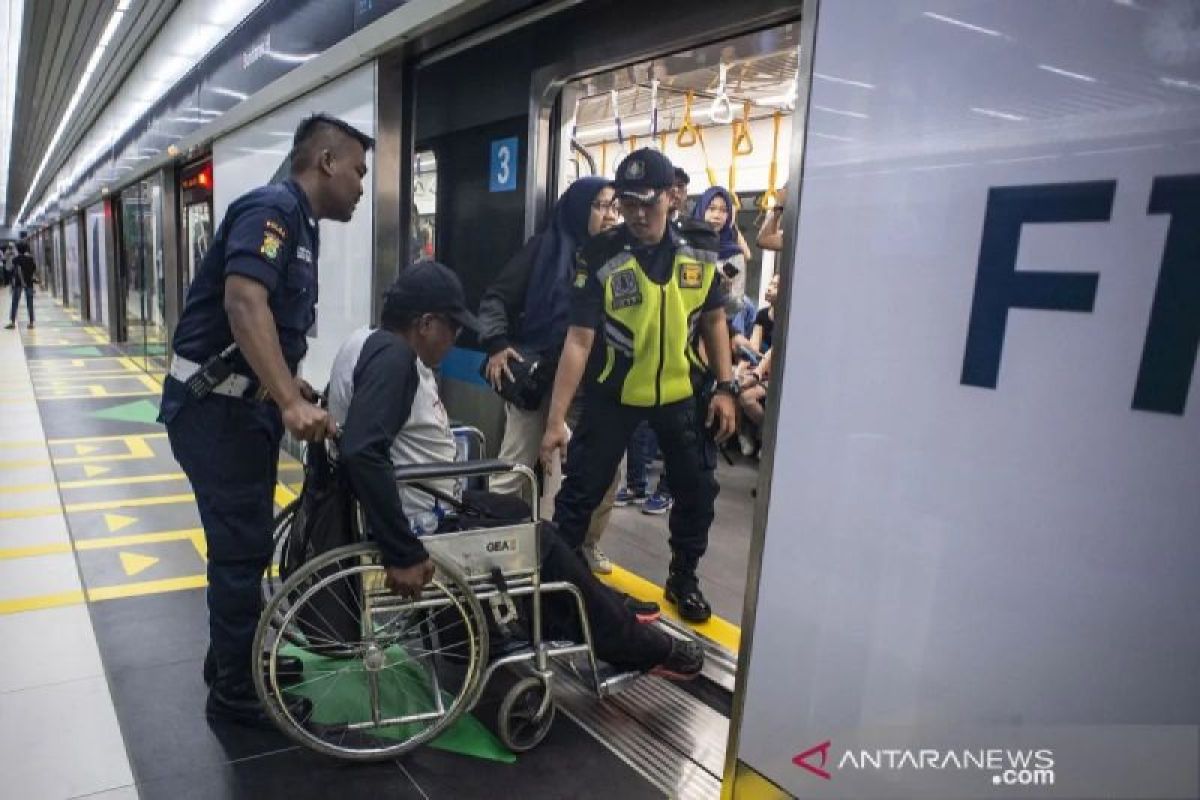
The Ministry of Transportation is strengthening inclusive transport services for vulnerable groups in remote, border, and outermost (3T) areas through improved accessibility, service quality, and human resource capacity. “The Ministry of Transportation continues to strengthen its commitment to providing inclusive, friendly, and responsive public transport services for vulnerable groups,” said Secretary-General Arif Toha in a statement on Monday. This commitment is being realised through the 2026 Best Practices Workshop for Friendly, Responsive, and Sensitive Transport Services for Vulnerable Groups, organised virtually and in-person by the Ministry’s Sustainable Transport Management Centre (PPTB) in Jakarta. “Transportation development must not only focus on infrastructure and connectivity but also ensure equal access for all citizens, including people with disabilities, the elderly, women, children, and those in 3T areas,” he said. Arif Toha noted that 2026 is a crucial moment for transport providers to transform services to become more inclusive and reach all segments of society without exception. He added that the national transport sector has made significant progress in the past five years, including infrastructure development, improved connectivity, and service quality. However, the benefits of equitable transportation development have not yet been fully realised by vulnerable groups, including people with disabilities, the elderly, pregnant women, children, and those in remote, border, and outermost areas. He also stated that vulnerable groups still face challenges in accessing transport services, both in terms of facilities and service sensitivity. Therefore, inclusive transport services are a critical need and part of fulfilling human rights. “Vulnerable groups often face dual barriers of physical access limitations and lack of service sensitivity. Therefore, this workshop’s theme,”Best Practices for Friendly, Responsive, and Sensitive Transport Services”, is not just a slogan,” he said. “This is an urgent necessity, even a moral and legal obligation to realise human rights and Sustainable Development Goals,” he added. He stressed three key focus areas for inclusive transport: accelerating policies friendly to vulnerable groups, strengthening transport sector human resources, and enhancing cross-sector collaboration. “Responsive transport does not stem from infrastructure alone but also from human resource capacity. Staff at terminals, stations, airports, and ports must be trained in serving special needs groups,” he said. The first workshop on friendly transport services for vulnerable groups was held in 2019, when 19 transport operators signed a joint commitment to provide disability-friendly facilities and infrastructure. This year marks the eighth workshop organised by PPTB in collaboration with the Ministry’s Disability Inclusion Team and the National General Accessibility Movement (GAUN). This year’s workshop attracted 252 participants, including representatives from Ministry units, transport operators, state-owned and private enterprises in the sector, government ministries, and disability communities. “This event aims to enhance transport service providers’ understanding and skills in delivering more friendly, responsive, and sensitive services to vulnerable groups,” he said.